




 UN
UN 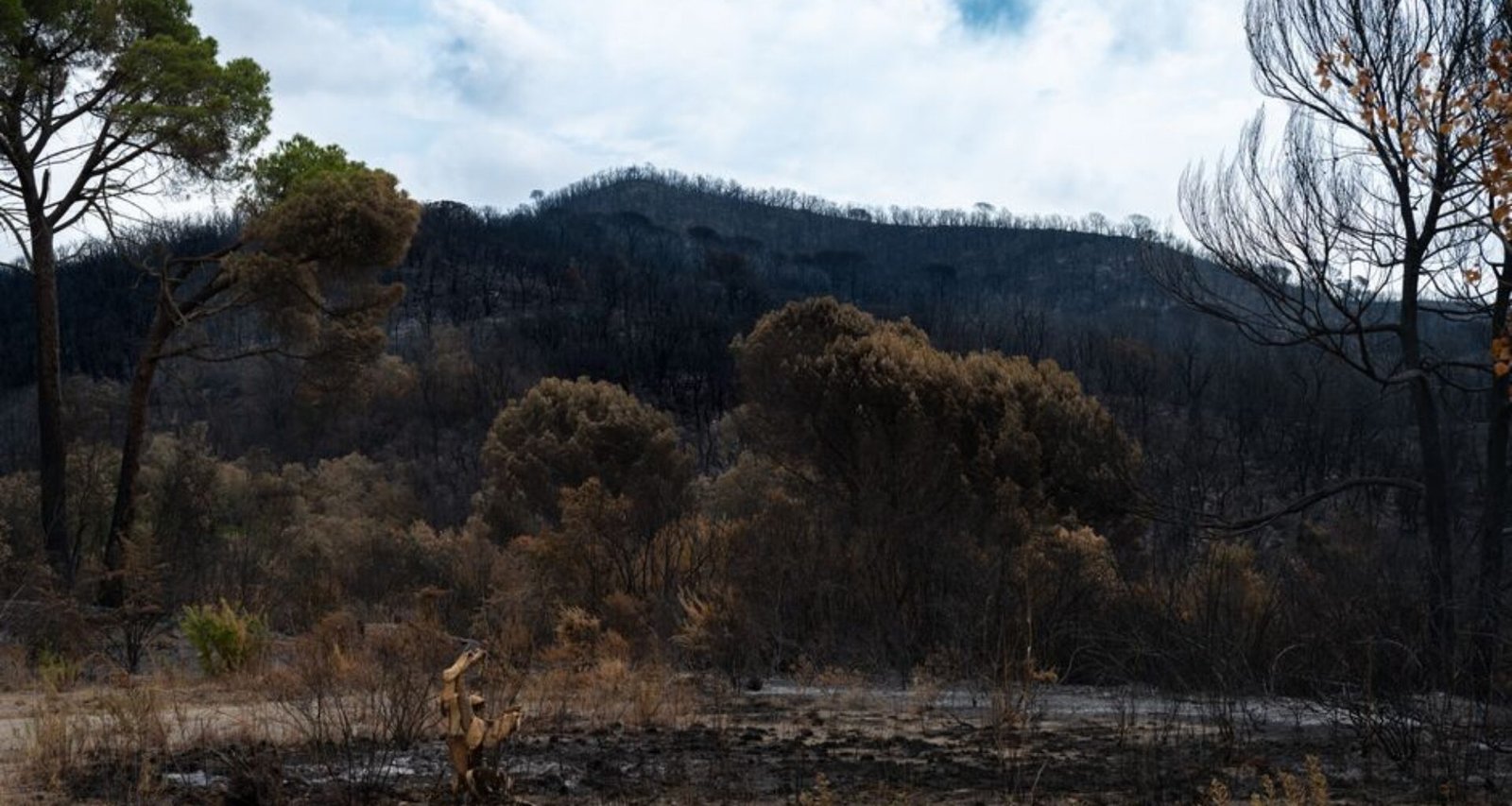
On Monday, the U.S. Department of Agriculture (USDA) announced the removal of key restrictions under the federal Roadless Area Conservation Rule, targeting national forests in California, Oregon, and Washington. The policy change comes as wildfires continue to accelerate across the western United States, with nearly 1.9 million acres already burned this summer and emergency crews warning of ongoing extreme heat through August.
The original Roadless Rule, intended to limit logging and road construction in 58 million acres of national forest, has faced mounting criticism from state fire agencies and local governments. Many have argued that the restrictions hamper critical thinning and prescribed burns — practices increasingly seen as essential for reducing fuel buildup. USDA Secretary Javier Morales cited direct feedback from state fire chiefs and pointed to analysis showing that over 70% of recent megafires started or spread rapidly in roadless-designated areas.
The revised policy, effective immediately, will enable expedited permitting for firebreak construction and allow mechanical thinning in previously off-limits zones. The Forest Service estimates that this could accelerate mitigation work on up to 2 million acres by the end of 2026, particularly in high-risk counties such as Butte (California) and Deschutes (Oregon). Still, some environmental organizations have voiced concern, warning that increased road access could open the door to commercial logging under the guise of wildfire prevention.
The USDA has committed to annual progress reporting and third-party verification of forest activities through 2026. According to the agency’s statement, the new approach will be evaluated for its impact on both wildfire frequency and ecosystem health, with a formal review scheduled for December 2026. Meanwhile, local fire supervisors are preparing for the first pilot projects to break ground later this month in northern California.
This policy adjustment reflects a clear shift from blanket preservation toward targeted risk management as climate volatility intensifies. For forest-dependent communities facing evacuation orders this week, the stakes are immediate — and the balance between conservation and safety remains a point of contention.
Frequently Asked Questions
What changes did the USDA make to the Roadless Rule in western U.S. national forests?
The USDA relaxed the Roadless Rule to allow more wildfire prevention work, such as thinning and firebreak construction, in national forests in California, Oregon, and Washington.
Why did the USDA loosen restrictions on roadless areas in national forests?
The USDA acted in response to escalating wildfire threats, with analysis showing that over 70% of recent megafires started or spread rapidly in roadless-designated areas.
How much land is affected by the revised Roadless Rule policy?
The Forest Service aims to accelerate mitigation work on up to 2 million acres by the end of 2026 in affected western states.
What concerns have environmental groups raised about loosening the Roadless Rule?
Environmental organizations warn that increased road access could lead to commercial logging under the guise of wildfire prevention.
When will the new Roadless Rule policy be formally reviewed?
A formal policy review is scheduled for December 2026.