UN
UN 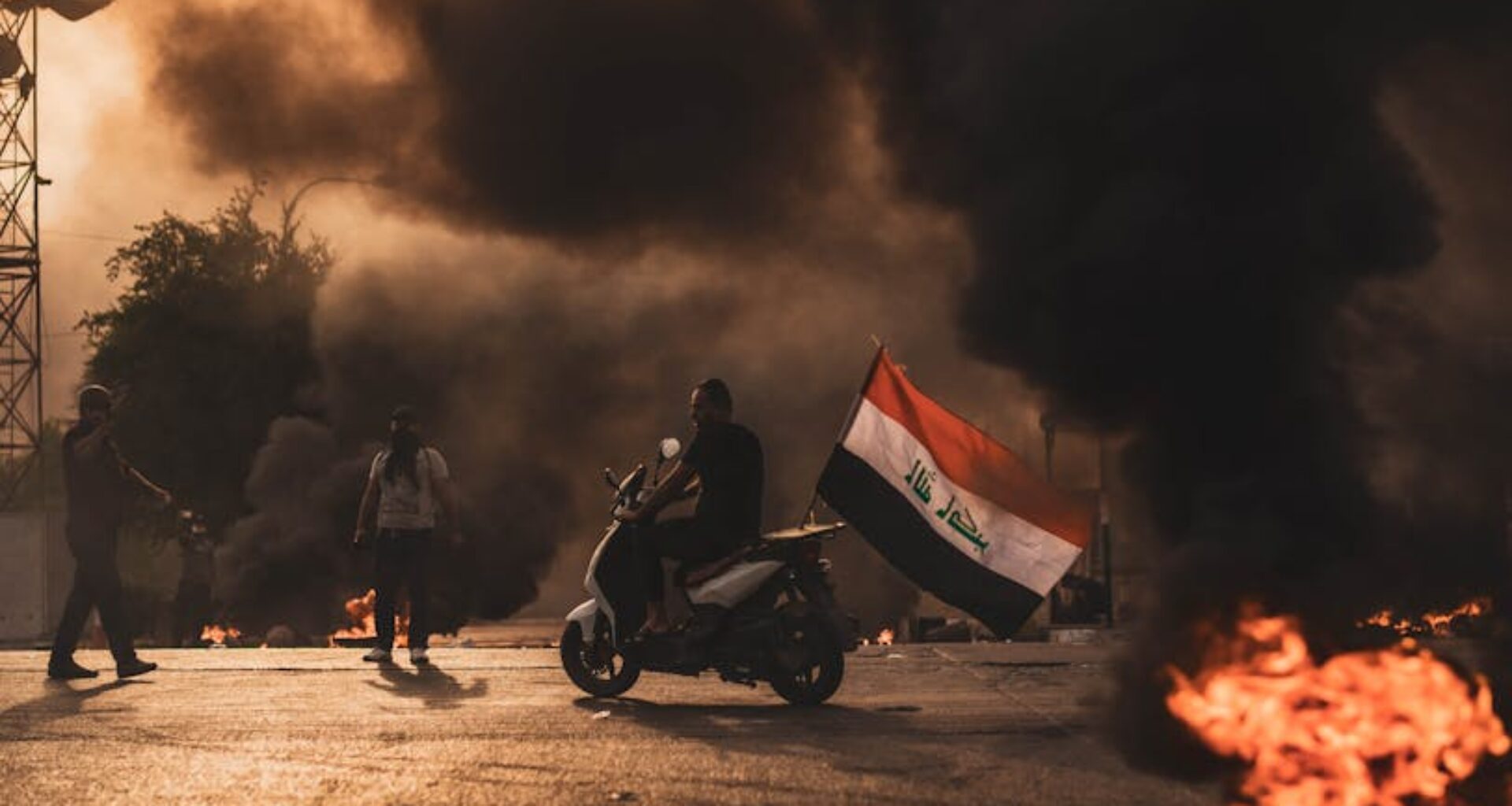
Nearly twenty years after a tumultuous political transition marked by conflict and instability, Iraq is witnessing a significant transformation characterized by enhanced security and a strong commitment to development. The United Nations Resident Coordinator for Iraq highlighted these changes in a recent statement, describing the country as “unrecognisable and remarkable” compared to its recent past.
This progress comes after years of intense challenges, including sectarian violence, insurgency, and political fragmentation. Today, Iraq is making strides toward peace and reconstruction, with improved security conditions fostering an environment conducive to economic growth and social development. The UN coordinator emphasized that the government and people of Iraq are determined to overcome the legacies of conflict and focus on sustainable development goals.
Key to this progress has been concerted efforts to strengthen governance, rebuild critical infrastructure, and promote inclusive political dialogue. The improved security landscape has also enabled humanitarian and development agencies to operate more effectively across the country, addressing urgent needs while supporting long-term resilience.
Despite these positive developments, significant challenges remain. Iraq continues to face economic vulnerabilities, including dependence on oil revenues and youth unemployment, which require comprehensive strategies aligned with the Sustainable Development Goals. The UN underscores the importance of sustained international support and partnership to help Iraq consolidate its gains and achieve inclusive growth.
The evolving situation in Iraq exemplifies how nations emerging from conflict can harness peace and stability as foundations for development. Continued investment in security, governance, and social cohesion will be critical in ensuring that Iraq’s progress is enduring and benefits all segments of society.