




 UN
UN
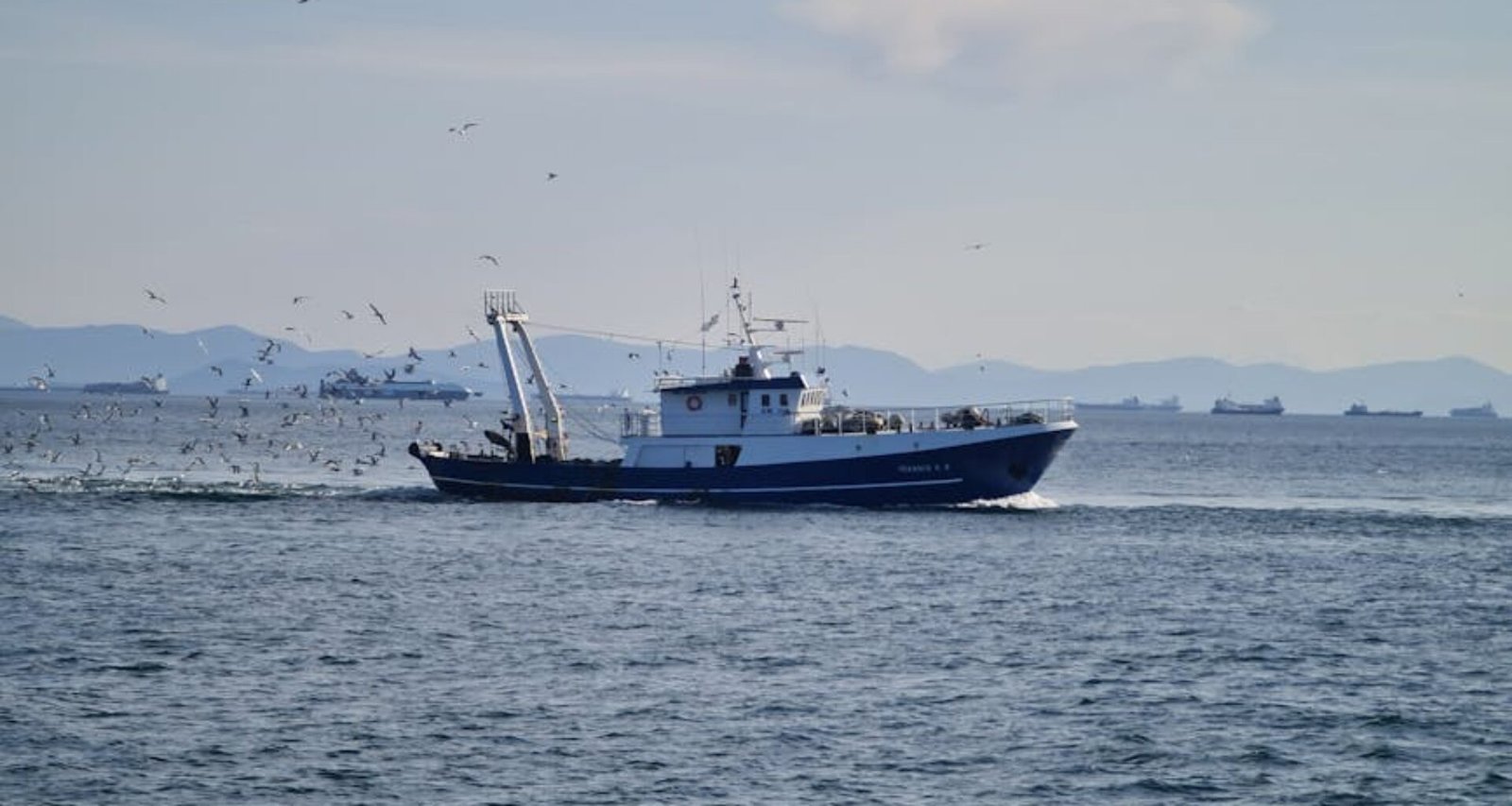
The Western Pacific Regional Fishery Management Council (Wespac) has recently put forward a recommendation to allow commercial fishing activities within all four of the United States’ Pacific marine national monuments. These protected areas, renowned for their rich biodiversity and some of the most pristine marine ecosystems on the planet, have long been safeguarded from large-scale commercial exploitation. Wespac officials argue that the proposed policy shift aims to restore sustainable fishing practices and support economic opportunities for local fishing communities.
The four marine monuments in question cover vast stretches of ocean around the Pacific Islands, including the Papahānaumokuākea Marine National Monument and others that provide critical habitat for endangered species and serve as vital carbon sinks. These areas have been under federal protection precisely to preserve their ecological integrity and cultural significance for indigenous peoples. Conservation groups and native communities have expressed strong opposition to the council’s recommendation, warning that commercial fishing could irreversibly damage fragile coral reefs, disrupt migratory fish populations, and undermine long-standing conservation achievements.
Environmental experts emphasize that these marine monuments contribute significantly to global biodiversity conservation and climate resilience efforts. “Opening these protected waters to commercial fishing risks reversing decades of progress in safeguarding ocean health,” said Dr. Maria Lopez, a marine ecologist specializing in Pacific ecosystems. “Sustainable fishing must balance economic needs with ecosystem preservation, and these monuments have been critical refuges for that balance.”
The debate highlights the complex challenge of reconciling economic development and environmental stewardship, a core focus of the United Nations Sustainable Development Goals (SDGs), particularly SDG 14: Life Below Water. As policymakers weigh the council’s recommendation, the international community and local stakeholders will be watching closely to see how the US navigates this tension between exploitation and conservation in some of its most ecologically significant marine areas.