




 UN
UN
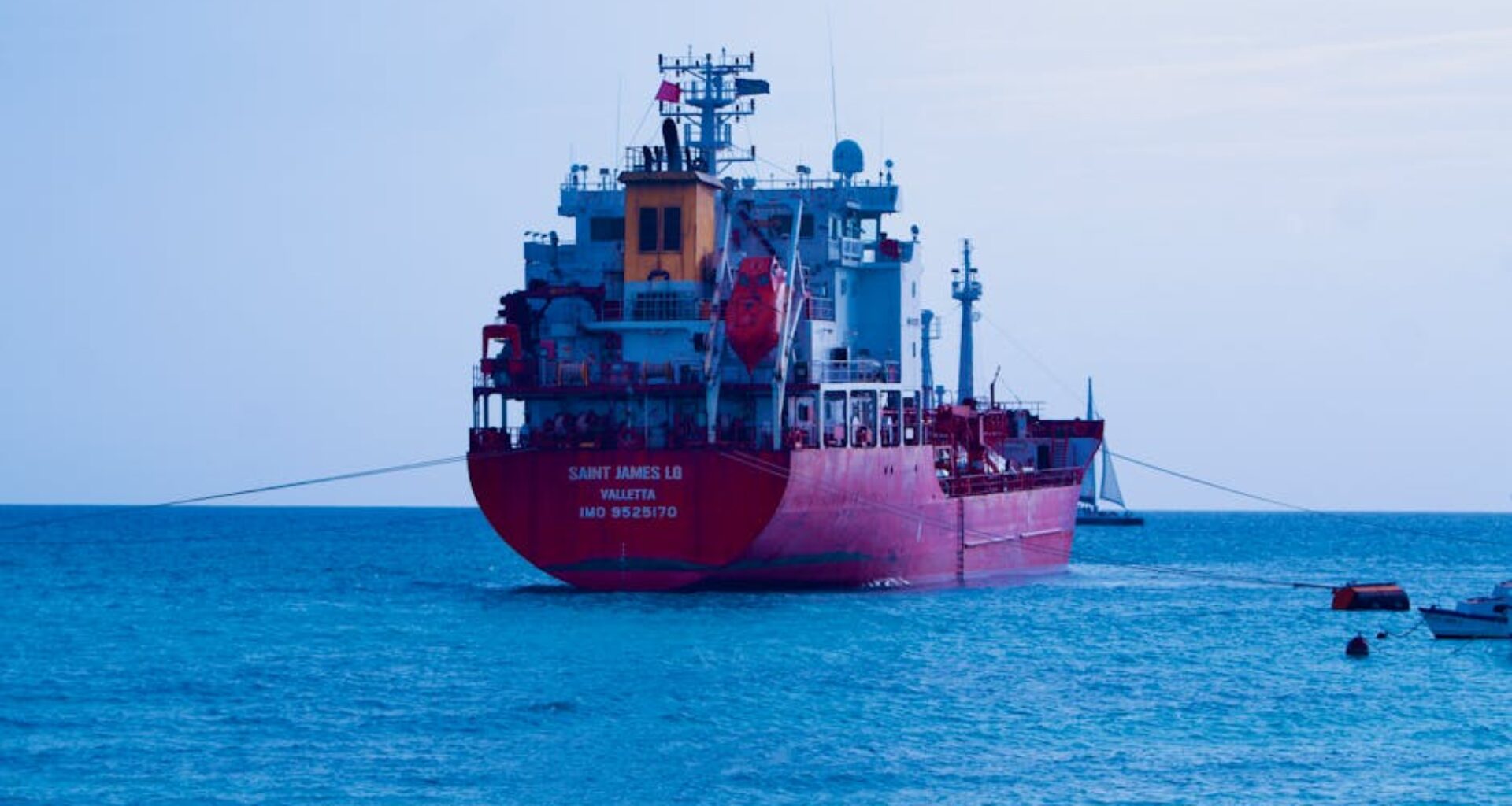
The International Maritime Organization’s (IMO) upcoming negotiations on green shipping represent a crucial test for global multilateral cooperation in addressing climate change. Recent setbacks, notably opposition from key players such as the United States and Saudi Arabia, have complicated efforts to finalize robust emissions-reduction commitments for the shipping sector. Despite these challenges, experts emphasize that continued collaboration remains vital to aligning the industry with the goals of the Paris Agreement and the United Nations Sustainable Development Goals (SDGs).
Shipping is responsible for nearly 3% of global carbon dioxide emissions, and with international trade expected to grow, decarbonizing this sector is essential to curb climate change. The IMO has set targets to reduce greenhouse gas emissions by at least 50% by 2050 compared to 2008 levels, but recent disagreements have stalled progress on binding measures. The US and Saudi Arabia have expressed reservations about certain regulatory proposals, reflecting broader geopolitical and economic tensions that risk fragmenting the global response.
Nevertheless, many member states and environmental advocates remain optimistic that multilateralism can prevail. They argue that unified international standards are critical to ensuring a level playing field and preventing market distortions. Furthermore, coordinated action can accelerate innovation in cleaner fuels and shipping technologies, supporting the transition to sustainable maritime transport.
The talks this week will test not only the willingness of countries to compromise but also the effectiveness of the IMO as a multilateral institution in driving climate action. Success would reinforce the international community’s ability to tackle complex global challenges through cooperation, a cornerstone of the SDGs. Failure, conversely, could undermine confidence in multilateral governance and jeopardize targets related to climate action (SDG 13) and sustainable industry (SDG 9).
As the world watches, the IMO negotiations underscore the broader imperative of inclusivity and shared responsibility in climate governance. The outcome will have far-reaching implications for the shipping sector’s environmental footprint and the global effort to safeguard the planet for future generations.