


 UN
UN
🎙 LISTEN —
Global Renewable Energy Capacity Surpasses 5,000 GW, Marking a Major Milestone for SDG 7
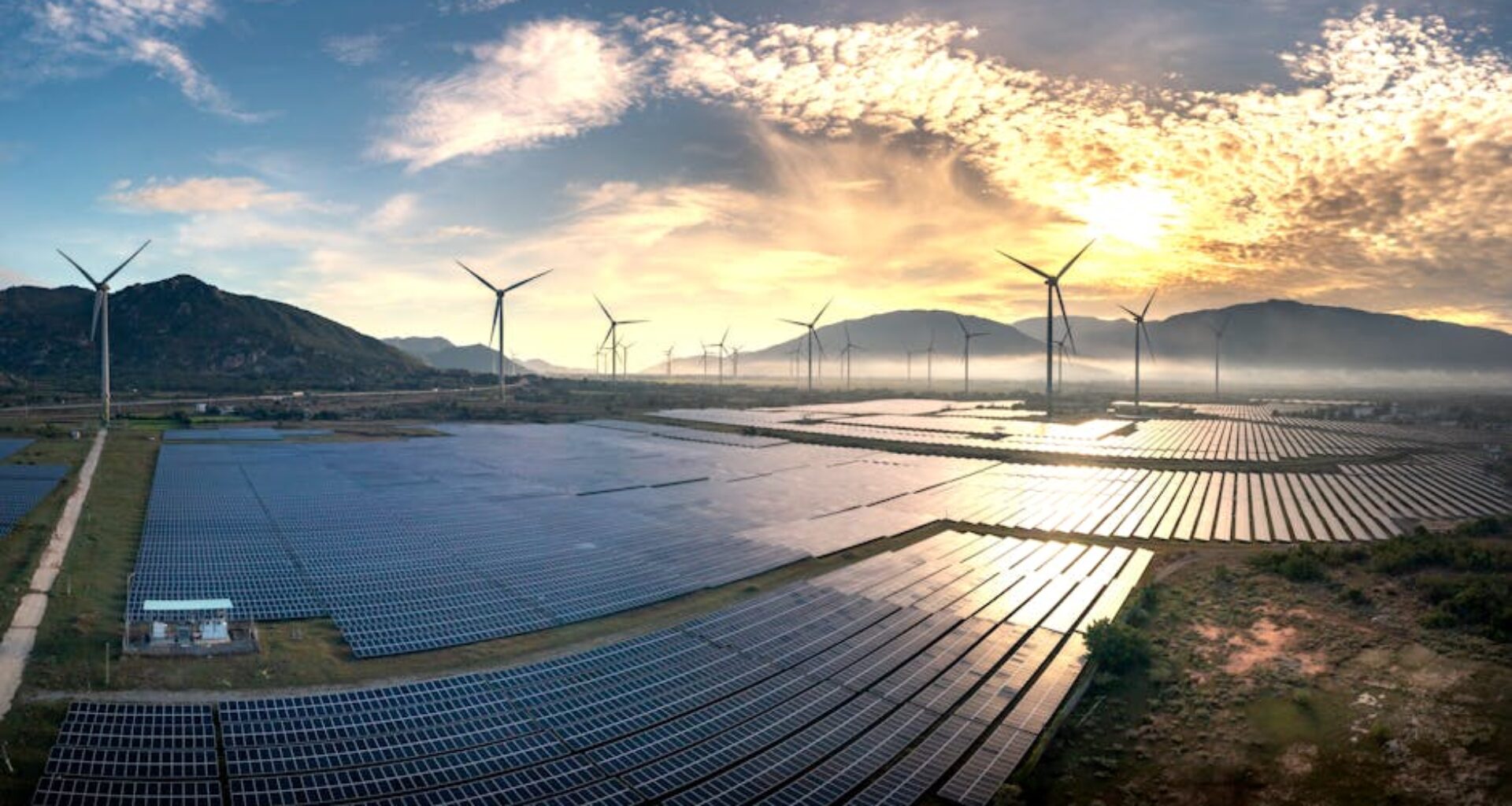
Renewables now account for nearly half of all installed power capacity globally, with solar photovoltaic (PV) leading the surge, followed closely by onshore wind. According to IRENA, solar capacity grew by approximately 23% in 2023 alone, driven by declining costs, technological advances, and supportive policy frameworks in major economies including China, the United States, and the European Union. This expansion is critical not only for reducing greenhouse gas emissions but also for enhancing energy security and fostering economic development, especially in emerging and developing countries.
Despite this progress, challenges remain. Energy access gaps persist in several low-income regions, and ensuring the integration of variable renewable energy sources into existing grids demands significant infrastructure upgrades. Energy experts emphasize the need for governments to ramp up investments in grid modernization, energy storage, and capacity-building to maintain the momentum. Dr. Fatih Birol, Executive Director of the International Energy Agency, noted, “Reaching 5,000 GW is a testament to the world’s commitment to clean energy, but scaling up further and faster is essential if we are to meet global climate and sustainable development targets.”
The surpassing of 5,000 GW marks a pivotal moment for SDG 7 and the broader 2030 Agenda. As renewable energy technologies become more affordable and accessible, the global community is better positioned to tackle climate change, reduce energy poverty, and stimulate green jobs. Continued international cooperation, innovative financing, and inclusive policies will be vital to sustain this trajectory and ensure that clean energy benefits reach all populations worldwide.