UN
UN
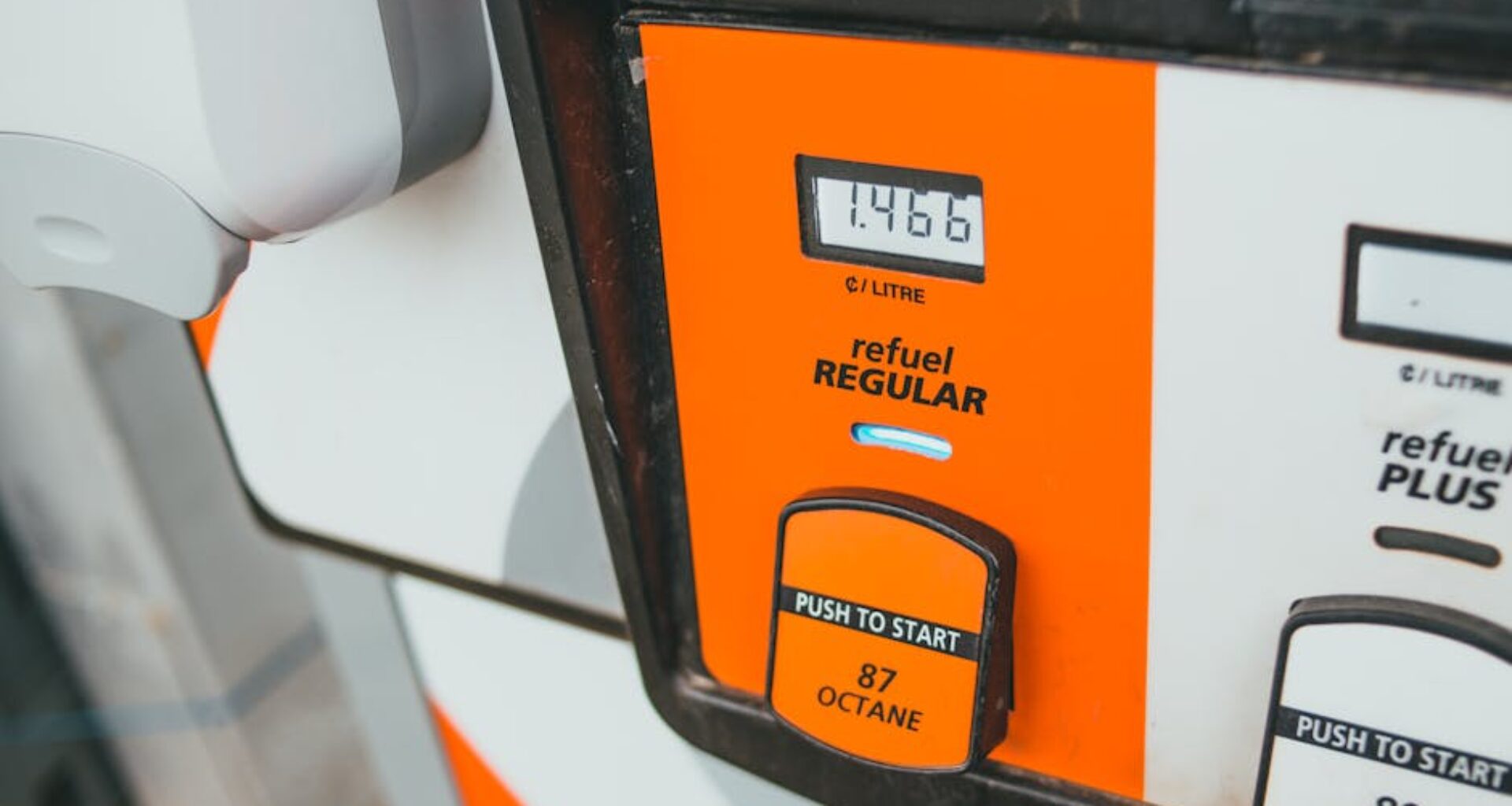
Recent spikes in gasoline prices, which have pushed costs above $4 per gallon in parts of the United States, have intensified public and market interest in electric vehicles (EVs) as a sustainable alternative. This surge in fuel costs, felt acutely by families during routine travel, underscores the economic and environmental vulnerabilities tied to fossil fuel dependence. Despite this ripe market opportunity, U.S. automakers have struggled to fully capitalize on the growing demand for EVs, raising concerns about the country’s competitive position in the global clean energy transition.
Historically, gasoline prices in the United States have been relatively low compared to many other nations, cushioning consumers from the urgency to switch to cleaner transportation options. However, the recent price hikes reveal the volatility and hidden costs of reliance on petroleum, including inflationary pressures on household budgets and the broader economy. Experts argue that rising fuel prices should act as a catalyst for accelerated adoption of electric vehicles, which offer lower running costs and reduced greenhouse gas emissions.
Despite increased consumer interest, U.S. automakers face a range of challenges in scaling EV production rapidly. Constraints include supply chain disruptions, limited investment in EV technologies compared to international competitors, and a historically entrenched focus on internal combustion engine vehicles. This lag impedes the ability of American manufacturers to meet the growing demand and risks ceding market share to global players, particularly from China and Europe, where policy incentives and industrial strategies have spurred rapid EV growth.
Policymakers have recognized the critical role of EVs in achieving several Sustainable Development Goals, including SDG 7 (Affordable and Clean Energy) and SDG 13 (Climate Action). Federal initiatives, such as tax credits and infrastructure investments, aim to support both consumers and manufacturers. However, experts emphasize that these measures must be complemented by strategic industry commitments to innovation, workforce development, and sustainable manufacturing practices.
The current fuel price environment presents a pivotal moment for the United States to align economic recovery efforts with climate goals by fostering a robust electric vehicle ecosystem. Failure to seize this opportunity risks prolonging dependence on fossil fuels, exacerbating environmental degradation, and missing out on the economic benefits of leadership in the global clean energy market. As consumers increasingly weigh the costs of gasoline against the promise of EVs, the automotive industry’s response will significantly influence the pace and equity of the nation’s sustainable transition.