UN
UN
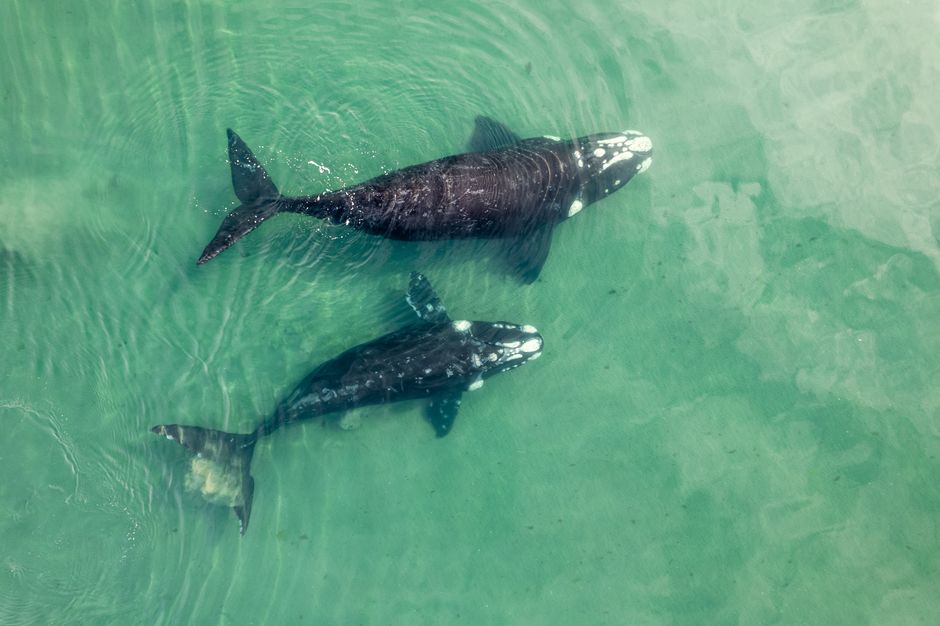
The recent calving season for the North Atlantic right whale, a species classified as critically endangered, has brought a rare glimmer of hope amid ongoing conservation challenges. According to reports, 23 calves were born during the winter season, marking the highest number recorded since 2009. This increase is partially attributed to females giving birth at shorter intervals than previously observed, with 18 females reproducing more frequently than in past years.
Despite this encouraging uptick in births, experts caution that the species continues to face severe threats that put its very survival at risk. North Atlantic right whales are vulnerable to ship strikes, entanglement in fishing gear, and habitat disturbances—all factors that have contributed to a long-term population decline. The current population is estimated to be fewer than 350 individuals, making recovery efforts urgent and complex.
Conservationists emphasize that while the baby boom signals some positive biological momentum, it does not negate the persistent dangers these whales confront. Efforts to mitigate human impact, such as implementing stricter vessel speed regulations and improving fishing gear safety, remain critical. Also, monitoring and protecting key habitats during calving and feeding seasons are essential to support population growth.
This latest calving season underscores the delicate balance between natural reproductive rates and anthropogenic pressures. It serves as a reminder of the importance of sustained international cooperation and science-based policy measures to prevent the extinction of this iconic marine species. The North Atlantic right whale’s future depends heavily on continued vigilance and proactive conservation strategies.