


 UN
UN

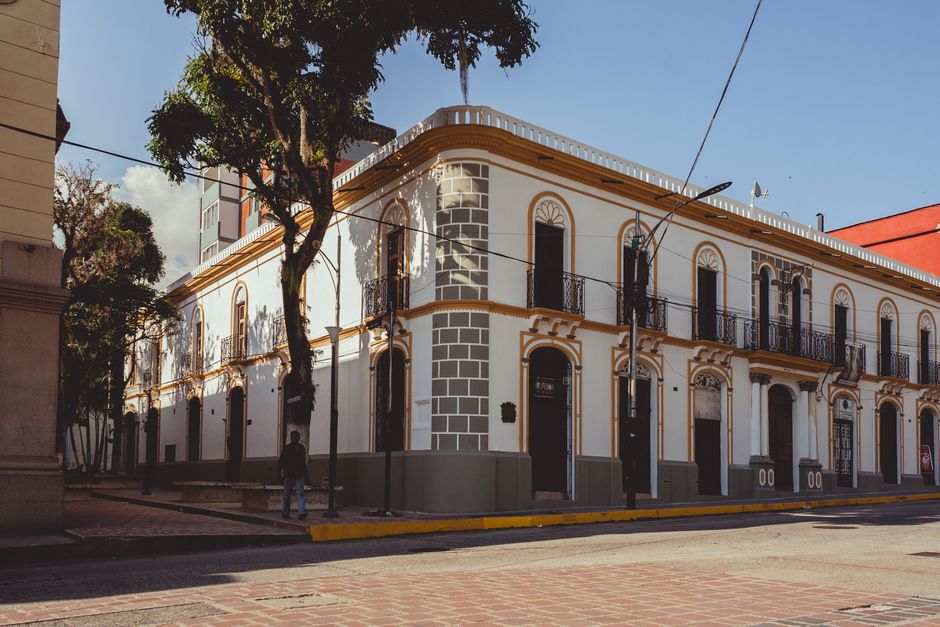
Venezuela has intensified its longstanding dispute with Guyana over a mineral-rich region by asserting before the International Court of Justice (ICJ) in The Hague that the territory was “fraudulently” taken during the colonial era. The South American nation contends that a 19th-century boundary agreement, which Guyana references to assert sovereignty, was unjust and invalid, calling into question the legitimacy of the 1966 Geneva Agreement that currently governs the dispute.
During a week of hearings at the ICJ, Venezuela argued that the matter should not be adjudicated by the UN’s highest court but rather resolved under the terms of the 1966 agreement, which established a framework for bilateral negotiation between the two countries. Venezuela’s position highlights the complex legacy of colonial borders in South America and raises broader questions about post-colonial territorial rights and resource governance.
The contested region, known as the Essequibo, is not only strategically significant due to its size but also because of its abundant natural resources, including minerals and potentially lucrative oil reserves. This has increased the stakes for both nations, with implications for economic growth, environmental management, and regional stability. Guyana, supported by international partners, maintains that the ICJ has jurisdiction and that the court’s ruling will bring legal clarity to the dispute.
This case underscores the challenges faced by many countries in resolving historical territorial disputes in a manner that aligns with the principles of international law and sustainable development. The outcome will likely influence approaches to conflict resolution over natural resources, impacting efforts to ensure equitable access and environmental stewardship — key components of the United Nations Sustainable Development Goals.