




 UN
UN

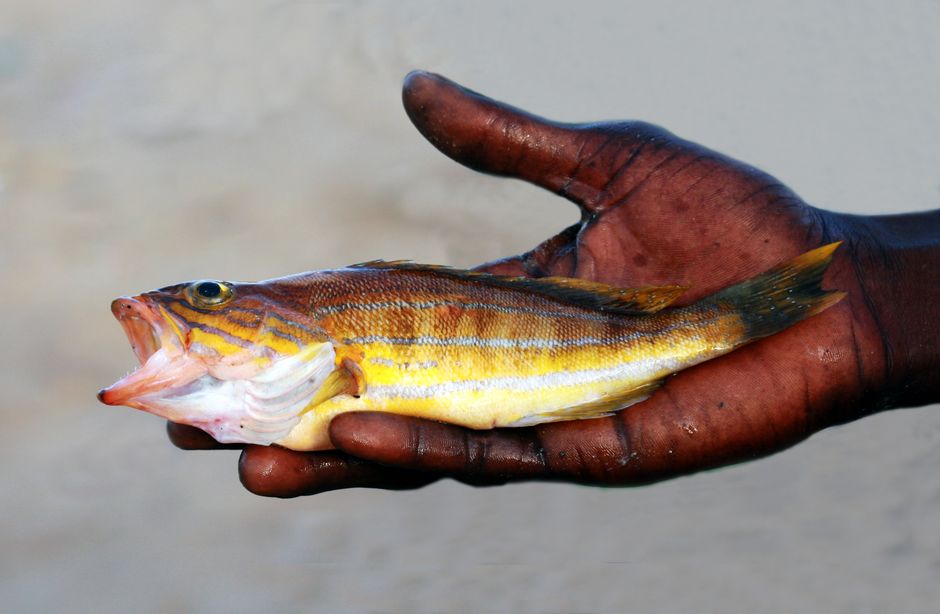
A recent scientific study published in the journal Ecology and Evolution has revealed that artisanal fishing in Senegal is responsible for a surprisingly high number of shark and ray fatalities, potentially surpassing the impact of industrial fishing activities. This finding challenges the common perception that large-scale commercial fisheries are the primary drivers behind the decline of these vulnerable marine species in West African waters.
The research involved a comprehensive analysis of catch landings, including sharks, rays, and guitarfish, from artisanal fishers operating along Senegal’s coastline. The data indicate that small-scale fishing communities, which often rely on traditional methods and target a diverse range of species, inadvertently contribute significantly to the mortality rates of these cartilaginous fishes. These species are critical components of marine ecosystems, serving essential roles in maintaining oceanic health and biodiversity.
Experts emphasize that the artisanal sector’s impact has been underappreciated in conservation discussions. Unlike industrial fishing, which is heavily regulated and monitored, artisanal fisheries often lack systematic oversight, making it difficult to assess their ecological footprint accurately. The study’s authors call for enhanced data collection, community engagement, and the implementation of sustainable fishing practices to mitigate the unintended consequences on shark and ray populations.
This revelation holds important implications for achieving Sustainable Development Goal 14, which aims to conserve and sustainably use the oceans, seas, and marine resources. Protecting shark and ray species not only supports marine biodiversity but also sustains the livelihoods of coastal communities dependent on healthy fisheries. Coordinated policy efforts that balance economic needs with ecological stewardship are essential to reverse the decline of these species in Senegal and similar regions worldwide.
