UN
UN
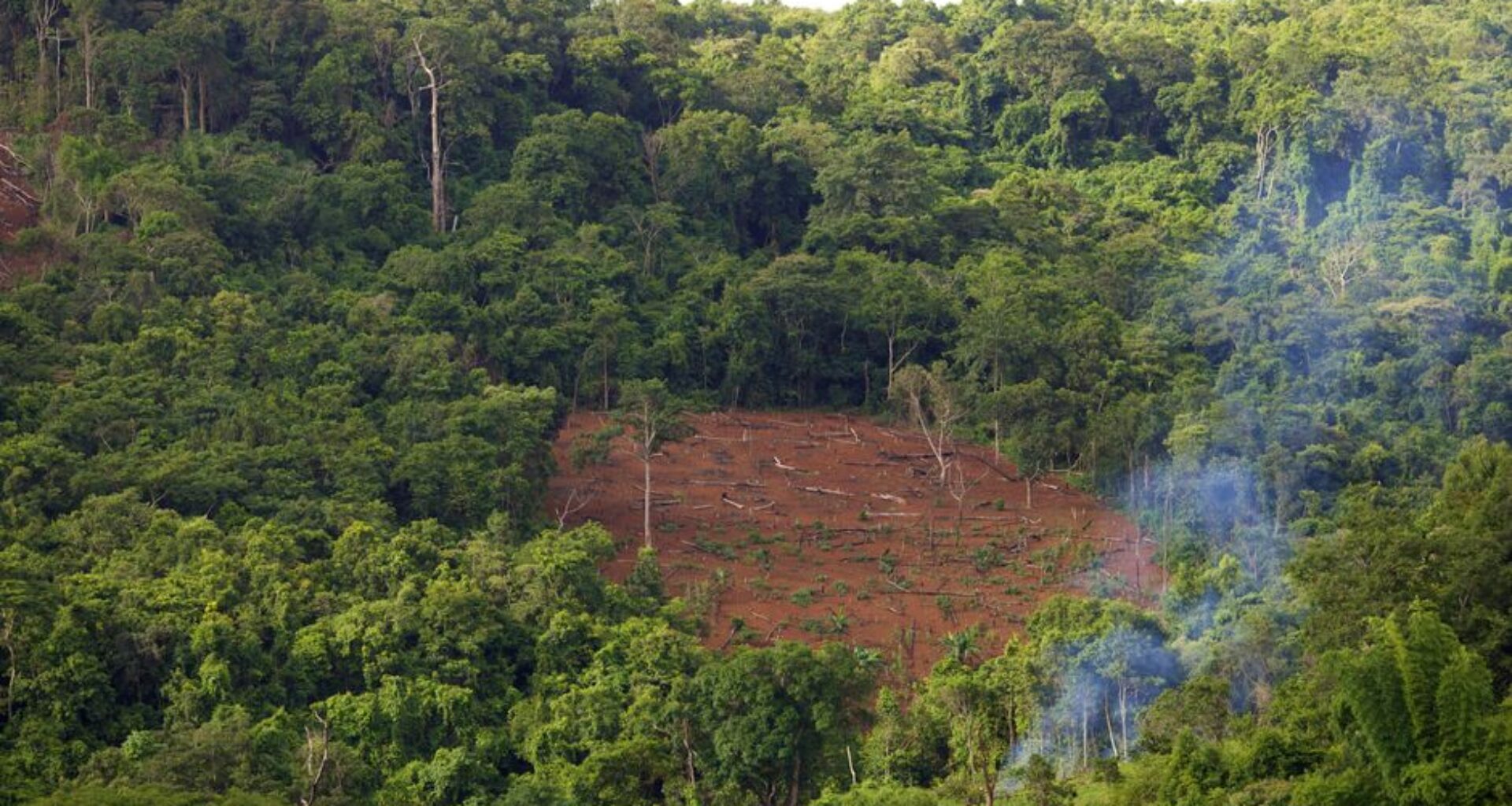

The Ituna/Itatá Indigenous territory in Brazil’s northeastern Pará state, home to the isolated Igarapé Ipiaçava Indigenous people, continues to experience significant deforestation despite legal restrictions aimed at safeguarding the land. Satellite data analyzed by Mongabay reveals that illegal incursions and forest degradation have persisted since 2022, undermining efforts to protect one of the country’s most vulnerable Indigenous populations.
The Global Forest Watch platform indicates that between 2022 and 2025, the Ituna/Itatá territory lost a substantial portion of its forest cover, raising alarm among conservationists and Indigenous rights advocates. This deforestation not only threatens biodiversity but also the cultural survival and autonomy of the isolated communities who depend on the forest for their livelihood and identity.
The Brazilian government has implemented land use restrictions specifically to prevent unauthorized invasions and logging activities within the territory. However, enforcement challenges and ongoing illegal activities highlight the difficulties in protecting Indigenous lands, especially those inhabited by isolated groups who have limited contact with the outside world and cannot advocate for themselves.
Experts emphasize that safeguarding Indigenous territories like Ituna/Itatá is critical for achieving multiple Sustainable Development Goals (SDGs), including SDG 15 (Life on Land), SDG 13 (Climate Action), and SDG 16 (Peace, Justice, and Strong Institutions). The continued forest loss threatens carbon storage capacities and undermines Indigenous peoples’ role as stewards of biodiversity-rich environments.
To address these challenges, a multifaceted approach involving stronger enforcement, increased funding for Indigenous protection agencies, and international cooperation is essential. Greater awareness and support for Indigenous rights must be prioritized to halt deforestation and ensure the survival of isolated peoples and their ancestral lands.