UN
UN
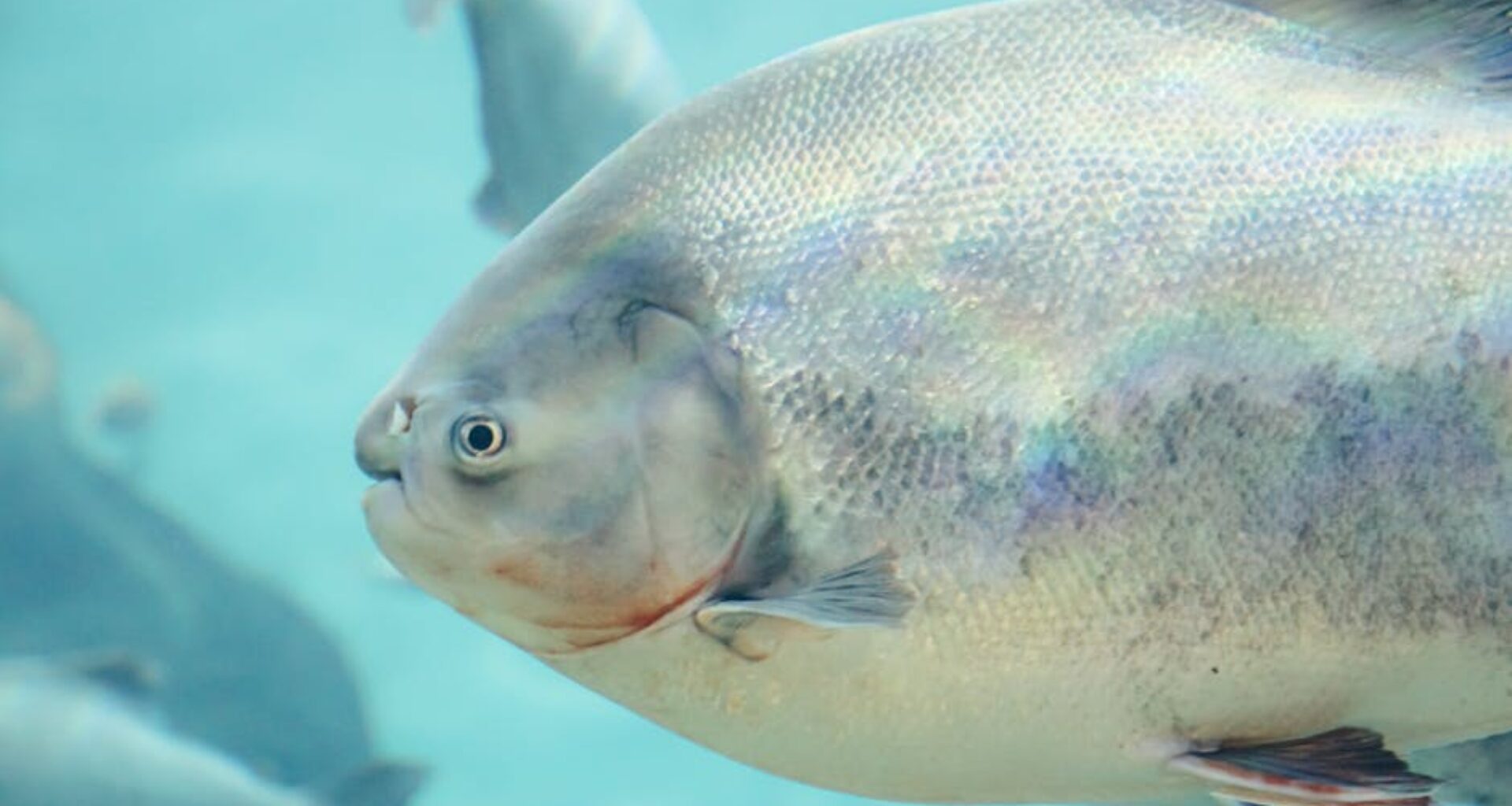
A recent comprehensive study reveals that approximately 43% of large freshwater animal species—including fish, turtles, hippos, and crocodiles—have been deliberately introduced to ecosystems well beyond their native habitats. This widespread translocation has been primarily driven by human efforts to enhance fisheries, bolster food security, and promote tourism in various regions around the world. However, the ecological repercussions of these introductions have raised significant concerns among conservationists and environmental scientists.
The study highlights that while many introductions aimed at economic and social benefits, the unintended consequences for local biodiversity and freshwater ecosystems have been substantial. Non-native species can disrupt existing food webs, outcompete indigenous species, and alter habitat structure, often leading to declines in native fauna. For example, introduced carp species have been linked to water quality degradation and vegetation loss, while hippos imported into non-native regions have affected aquatic and terrestrial habitats in unforeseen ways.
Experts emphasize the complexity of freshwater ecosystems and caution against the simplistic use of species introductions as a tool for development. Fengzhi, one of the lead researchers, notes that these species movements, if unmanaged, can jeopardize the ecological integrity of freshwater systems that are already vulnerable due to pollution, climate change, and habitat fragmentation. The findings underscore the need for comprehensive risk assessments and stricter regulations governing species introductions to safeguard both biodiversity and the livelihoods dependent on freshwater resources.
This research dovetails with the United Nations Sustainable Development Goals (SDGs), particularly SDG 15 (Life on Land) and SDG 14 (Life Below Water), which call for the protection, restoration, and sustainable use of terrestrial and freshwater ecosystems. Moving forward, integrated approaches that balance human needs with ecological sustainability are essential to mitigate the adverse impacts of non-native species and preserve freshwater biodiversity for future generations.