



 UN
UN

The Amazon rainforest, often called the planet’s lungs, experienced an unprecedented environmental crisis in 2024 when one of the most severe droughts in recorded history struck the region. At the port of Manaus, the largest urban center along the Amazon River, water levels plummeted to 12.68 meters (41.60 feet), marking the lowest point since systematic measurements began in 1902. This alarming hydrological event not only disrupted local ecosystems and communities but also raised urgent questions about the long-term impacts of climate change on the Amazon basin.
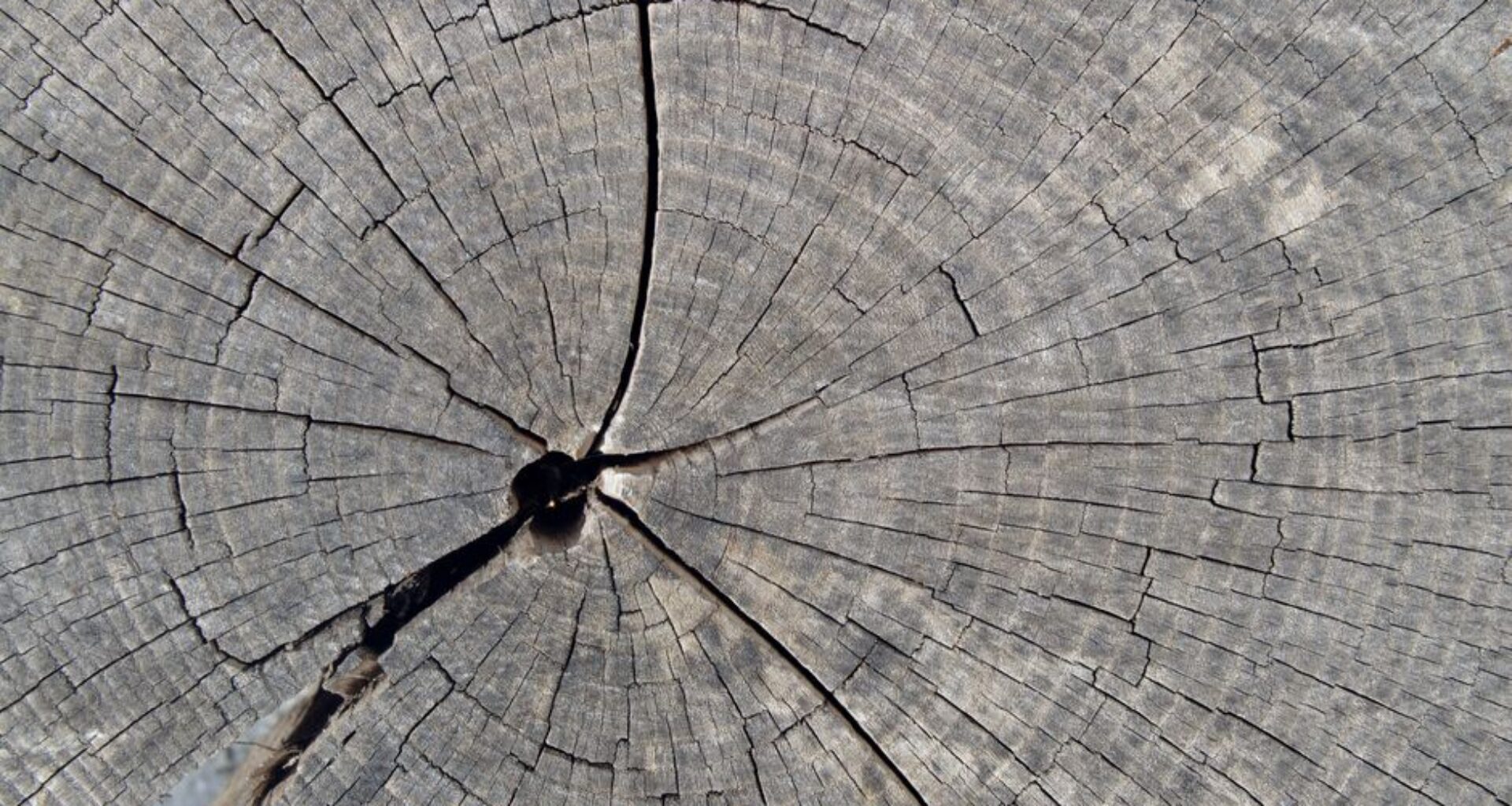
Recent scientific studies leveraging dendrochronology—the analysis of tree rings—have provided new insights into the historical climate patterns of the Amazon. Tree rings serve as natural archives, capturing annual variations in precipitation and temperature. Researchers have used these biological records to reconstruct centuries of climate data, revealing that the 2024 drought is among the most extreme dry spells in over 400 years. Such prolonged climatic stress threatens the resilience of the Amazon rainforest, which plays a critical role in global carbon cycling and biodiversity.
The findings underscore a disturbing trend of increasing frequency and intensity of extreme weather events linked to anthropogenic climate change. Experts warn that persistent drought conditions can lead to diminished forest health, increased tree mortality, and heightened vulnerability to wildfires, all of which compromise the Amazon’s ability to sequester carbon dioxide. This, in turn, may accelerate global warming, creating a dangerous feedback loop.
Efforts to monitor and mitigate these impacts are more vital than ever. Protecting the Amazon aligns closely with multiple Sustainable Development Goals, including Climate Action (SDG 13), Life on Land (SDG 15), and Clean Water and Sanitation (SDG 6). Policymakers and conservationists emphasize the need for integrated strategies that combine reforestation, sustainable land management, and enhanced climate resilience to safeguard this ecological treasure for future generations.
As the world grapples with the urgency of climate change, the story told by tree rings in the Amazon serves as a stark reminder of the interconnectedness of natural systems and human well-being. It also highlights the critical importance of long-term environmental monitoring and international cooperation in addressing the climate crisis.