UN
UN
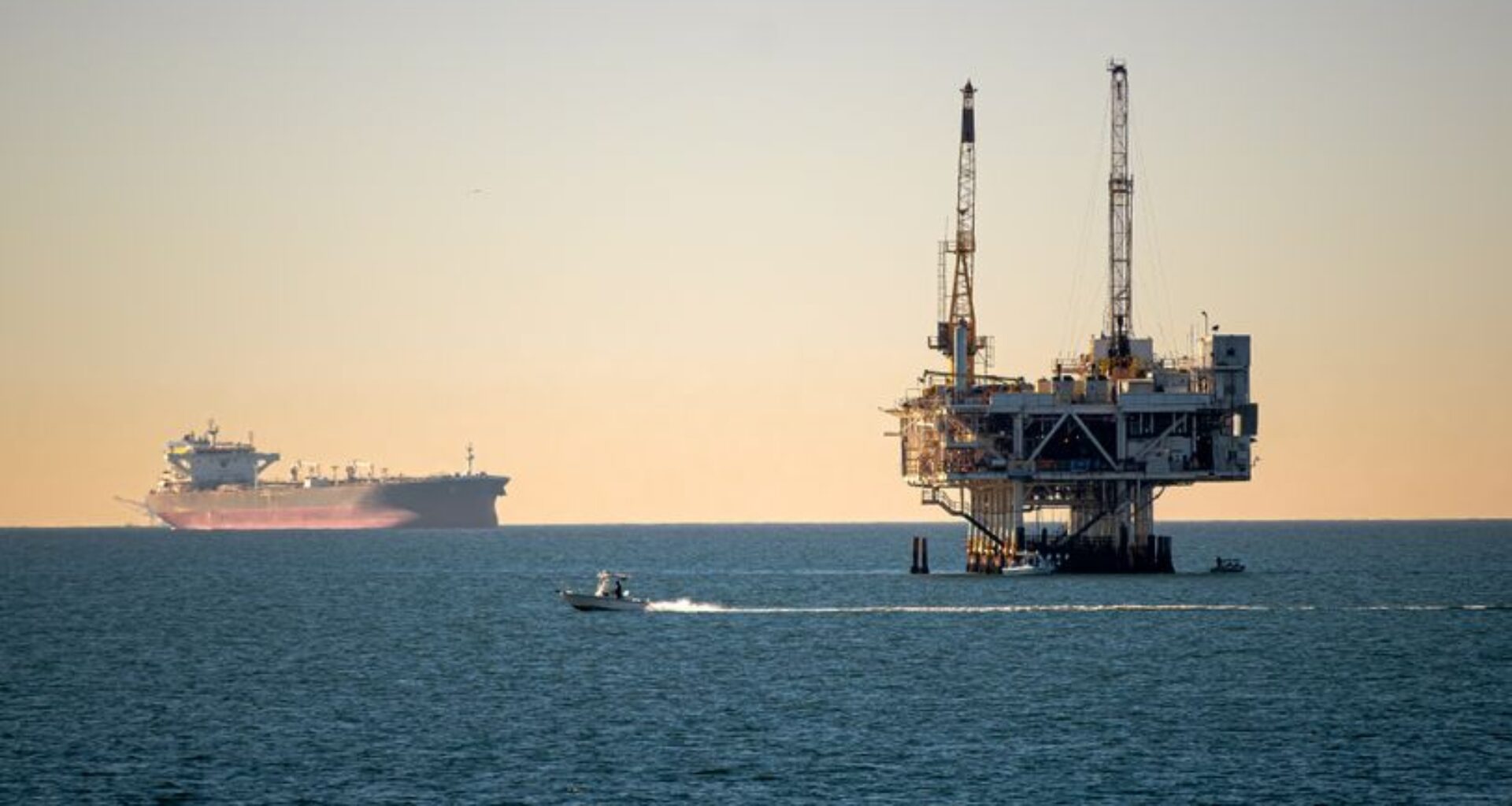
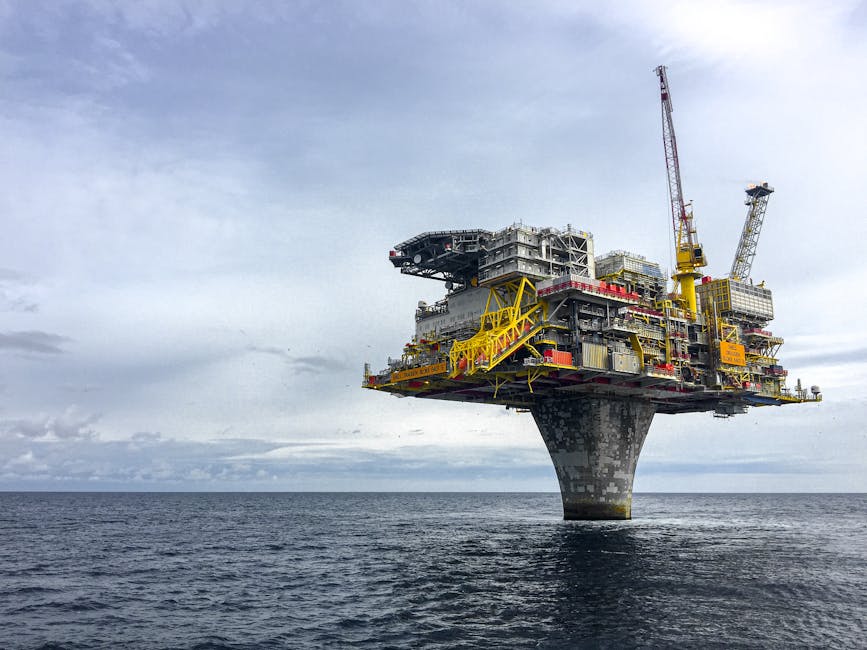
On April 13, 2026, TotalEnergies EP Congo announced a significant hydrocarbon discovery on the Moho permit, located offshore in the Republic of Congo. The French energy giant estimates that the find could contain nearly 100 million barrels of recoverable oil, marking a potentially transformative moment for the country’s energy sector. However, while this discovery offers economic promise, it also underscores the complex energy paradox facing many African nations amid growing global geopolitical tensions, including the ongoing Hormuz Strait crisis.
The Republic of Congo, like several African countries, is rich in natural resources but grapples with persistent development challenges. Approximately one-third of its population lives below the poverty line, raising concerns about whether the newfound oil wealth will translate into tangible improvements in living standards or remain concentrated among elite interests and foreign investors. Historically, resource-rich countries in the region have struggled with the ‘resource curse,’ where revenues fail to lead to sustainable economic diversification or social development.
This discovery arrives at a time when global energy markets are under strain due to disruptions in the Middle East, specifically the Hormuz Strait, a critical chokepoint for global oil shipments. The resulting volatility has increased the strategic importance of alternative oil sources, including those in Africa. Yet, this dynamic poses a dual challenge: while African producers may benefit from short-term demand spikes, the long-term global transition towards clean energy and sustainable development goals (SDGs) requires careful balancing of economic growth with climate action commitments.
Energy experts emphasize that the Republic of Congo and similar countries must prioritize transparent governance frameworks and invest in renewable energy infrastructure alongside fossil fuel development. Dr. Amina Diallo, an energy policy analyst, notes, “Discoveries like this can be a double-edged sword. They offer critical revenues but also risk locking countries into carbon-intensive pathways. Strategic planning is essential to leverage oil wealth for sustainable development, including education, health, and clean energy investments.”
As the global community pushes for SDG 7 (Affordable and Clean Energy) and SDG 13 (Climate Action), the Republic of Congo’s new oil find exemplifies the nuanced challenges African nations face in handling energy security, economic growth, and environmental sustainability. The coming years will be decisive in determining whether this resource boon can be harnessed to accelerate inclusive development or deepen existing inequalities and environmental risks.