



 UN
UN
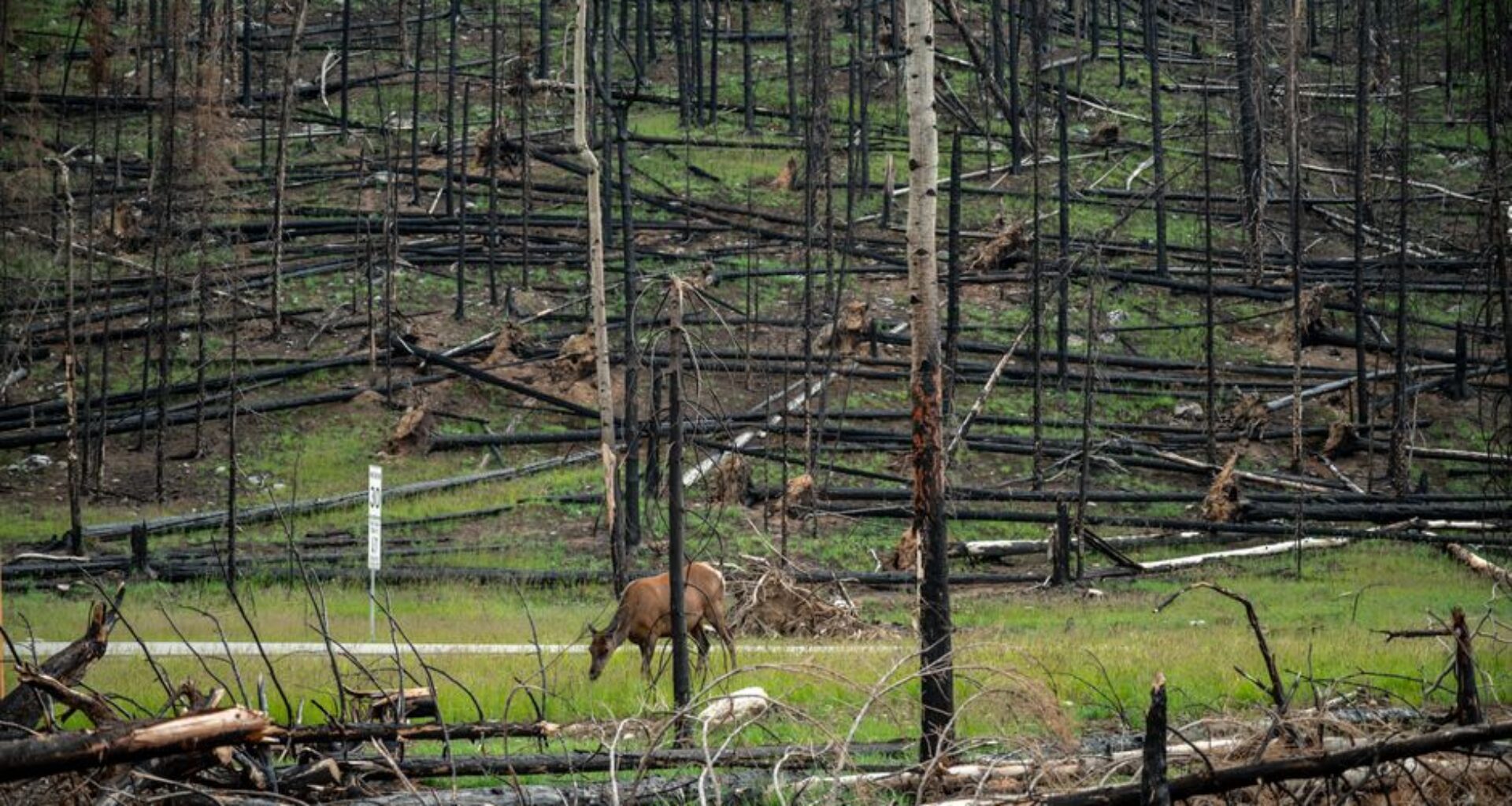
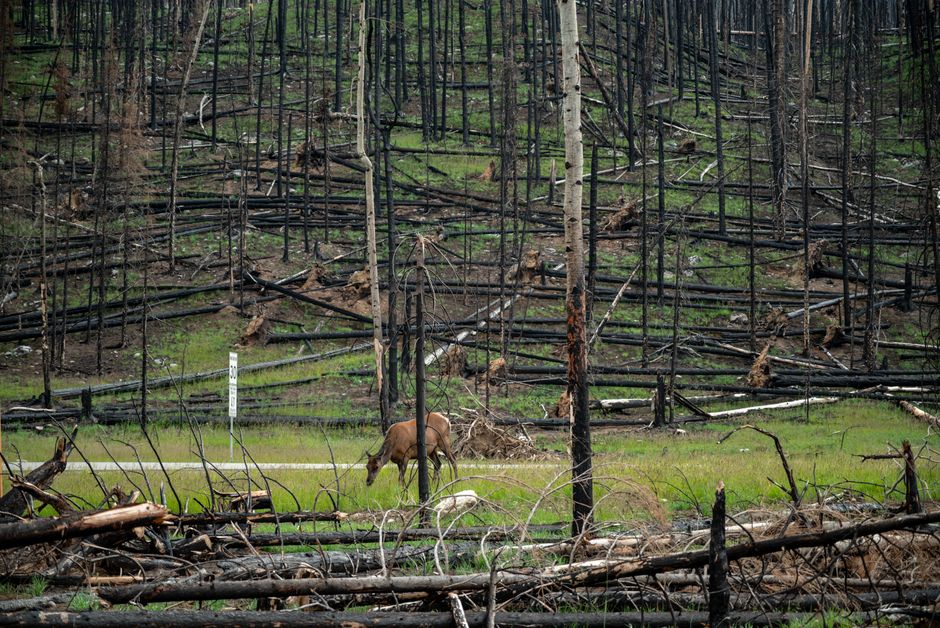
As the 2024 wildfire season approaches, Colorado’s wildfire management authorities are raising alarms about an exceptionally high risk of severe fires across the state and neighboring southwestern regions. Officials attribute this heightened danger primarily to a notably poor snowpack during this past winter, which has left forests and grasslands unusually dry and vulnerable to ignition. The resulting tinderbox conditions are especially concerning for Colorado’s dense forested areas, including popular ski regions that rely heavily on healthy winter precipitation to sustain ecosystem moisture levels.
Colorado’s top wildfire experts emphasize that the combination of dry fuels and rising temperatures driven by climate change significantly exacerbates the fire risk. Experts warn that this year’s wildfire season could surpass previous records in terms of frequency and intensity, posing threats to communities, wildlife habitats, and air quality in the region. The situation is compounded by the fact that multiple states in the Southwest are simultaneously facing similar wildfire threats, stretching firefighting resources thin across state lines.
While Colorado plans to collaborate extensively with neighboring states such as New Mexico, Arizona, and Utah, officials caution that the capacity to share firefighting personnel, equipment, and aerial resources may be limited. This limitation arises from the concurrent fire emergencies that all these states are confronting due to widespread drought conditions and the residual effects of climate change. The potential for resource shortages underscores the urgency of pre-season planning, community preparedness, and investment in wildfire mitigation strategies.
Experts advocate for enhanced funding for wildfire prevention measures, including controlled burns, forest thinning, and improved early detection systems. They also stress the importance of public awareness campaigns to educate residents about fire-safe practices and evacuation protocols. The situation in Colorado serves as a stark reminder of the broader challenges posed by climate change to sustainable land management and disaster resilience efforts, aligning closely with the United Nations Sustainable Development Goals related to climate action, sustainable communities, and ecosystem protection.
As communities brace for what could be an intense wildfire season, the need for coordinated responses and long-term adaptation strategies becomes ever more critical. The evolving wildfire landscape in the southwestern United States highlights the interconnected nature of climate risks and the necessity for collaborative approaches across jurisdictions to safeguard lives, property, and natural resources.