UN
UN 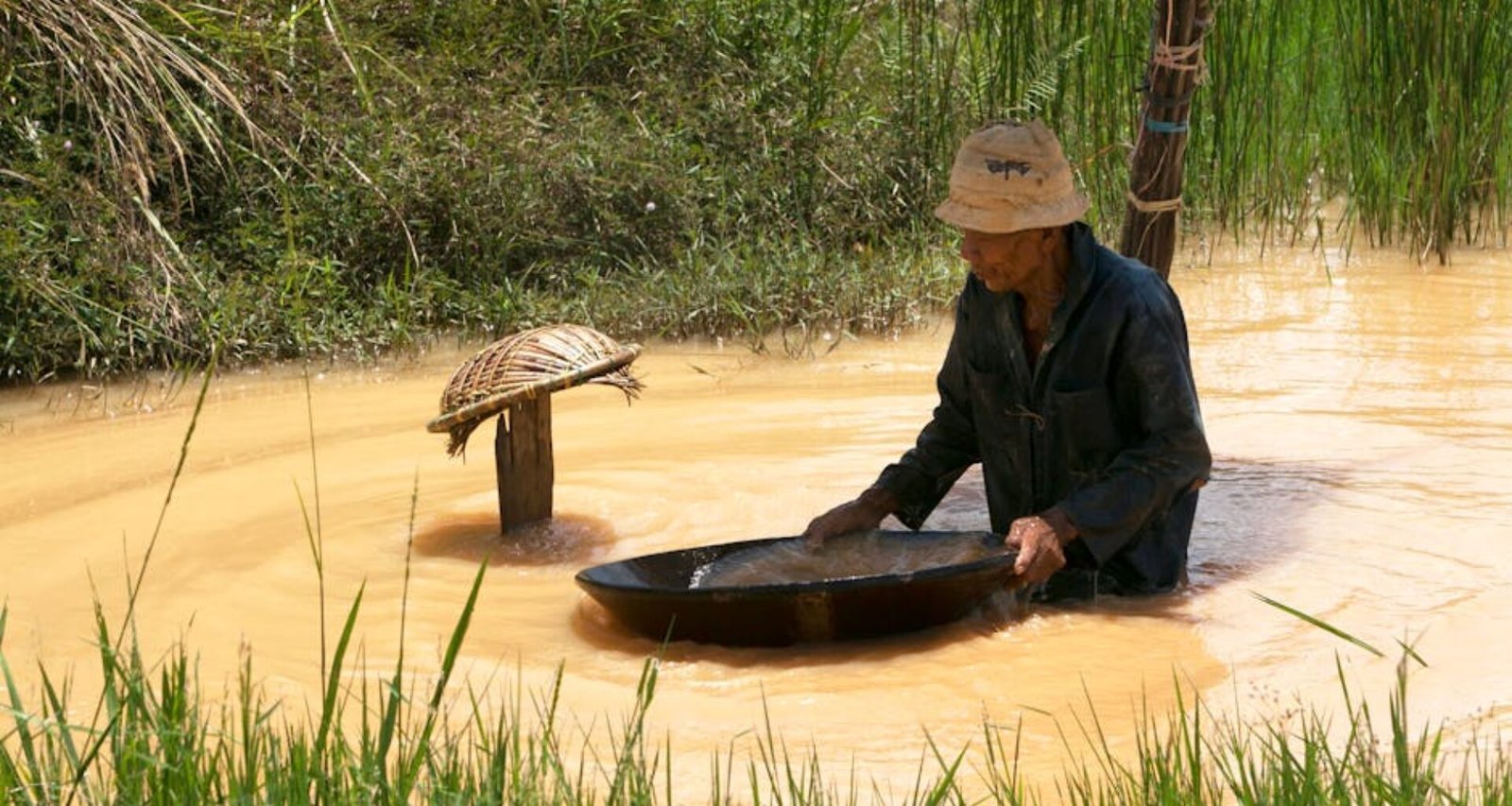
The escalating destruction of coastal wetlands on Indonesia’s Bangka Island is linked to a worrying rise in attacks by saltwater crocodiles on local communities. Residents and environmental observers attribute this surge to habitat degradation caused by illegal tin mining operations and expanding oil palm plantations. These activities have severely disrupted the delicate wetland ecosystems that traditionally serve as natural buffers and habitats for wildlife.
In February 2026, a 40-year-old fisherman tragically lost his life to a saltwater crocodile in the Menduk area of Bangka Island. This incident underscores an increasing human-wildlife conflict that has alarmed locals and conservationists alike. Saltwater crocodiles (Crocodylus porosus), apex predators known for their adaptability, are being forced into closer proximity with humans as their natural habitats shrink.
Environmental experts emphasize that the ongoing wetland loss not only threatens biodiversity but also undermines the livelihoods of communities dependent on these ecosystems. Wetlands provide critical ecosystem services, including water filtration, flood protection, and breeding grounds for numerous species. The destruction driven by illegal mining and monoculture plantations compromises these functions, exacerbating ecological imbalance.
Efforts to address this issue require integrated approaches that balance economic development with environmental conservation. Strengthening law enforcement against illegal mining, promoting sustainable agricultural practices, and restoring degraded wetlands are vital steps. Such measures align with the United Nations Sustainable Development Goals, particularly SDG 15 (Life on Land) and SDG 14 (Life Below Water), which advocate for the protection and sustainable use of terrestrial and aquatic ecosystems.
Local authorities and NGOs are called upon to collaborate in monitoring wildlife populations and implementing community education programs to mitigate human-wildlife conflicts. Protecting wetlands on Bangka Island is not only crucial for preserving biodiversity but also for safeguarding the well-being and safety of its inhabitants.