UN
UN 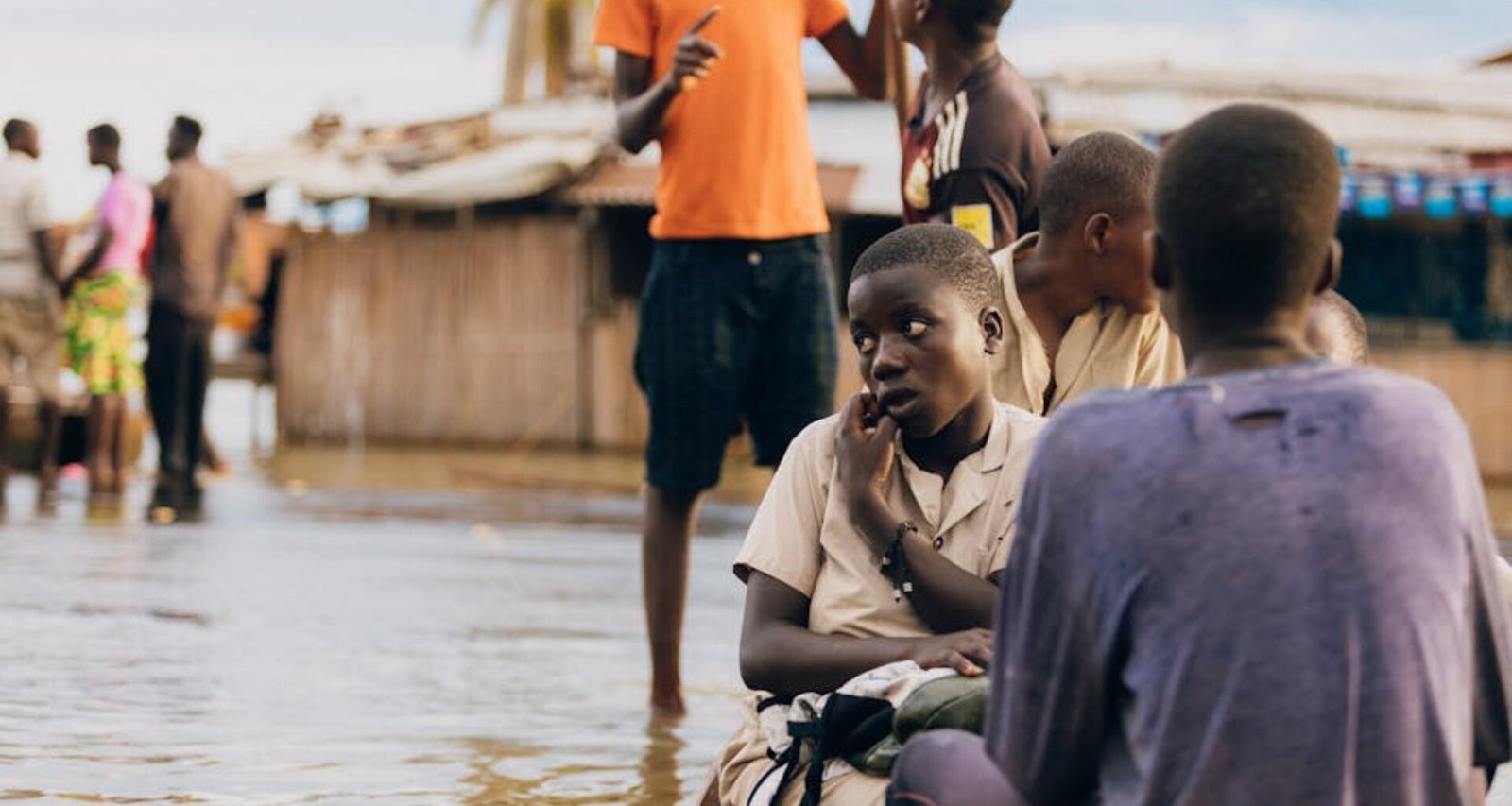
In April 2026, critical conversations and climate phenomena have underscored the urgency of sustainable development and climate resilience worldwide. Recent high-level discussions between former U.S. President Donald Trump and Chinese President Xi Jinping have focused on energy cooperation, signaling potential shifts in global climate diplomacy. Experts view these talks as an opportunity to enhance international collaboration on clean energy transitions, a key component of achieving SDG 7 (Affordable and Clean Energy) and SDG 13 (Climate Action).
Simultaneously, climate scientists have identified the current El Niño event as ‘supercharged,’ with intensity and impacts exceeding previous patterns. This amplified El Niño is expected to exacerbate extreme weather events globally, including heatwaves, droughts, and heavy rainfall. Such developments pose significant challenges to food security, water availability, and public health, directly affecting SDG 2 (Zero Hunger), SDG 3 (Good Health and Well-being), and SDG 6 (Clean Water and Sanitation).
In response to rising temperatures and increased heat stress, India has pioneered the establishment of its first ‘heat lounges’—public cooling spaces designed to provide relief during extreme heat episodes. These lounges represent an innovative adaptation measure aimed at protecting vulnerable populations, particularly urban residents lacking access to adequate cooling infrastructure. This initiative aligns closely with SDG 11 (Sustainable Cities and Communities) and SDG 3, emphasizing the importance of resilience in the face of climate-induced health risks.
Together, these developments highlight the interconnected nature of global climate challenges and the multifaceted responses required. Enhanced international dialogue, proactive adaptation strategies, and community-level innovations are essential to mitigate risks and build equitable resilience. As the world navigates the complexities of climate change in 2026, sustained commitment across governments, civil society, and private sectors remains crucial to advancing the Sustainable Development Goals.