UN
UN 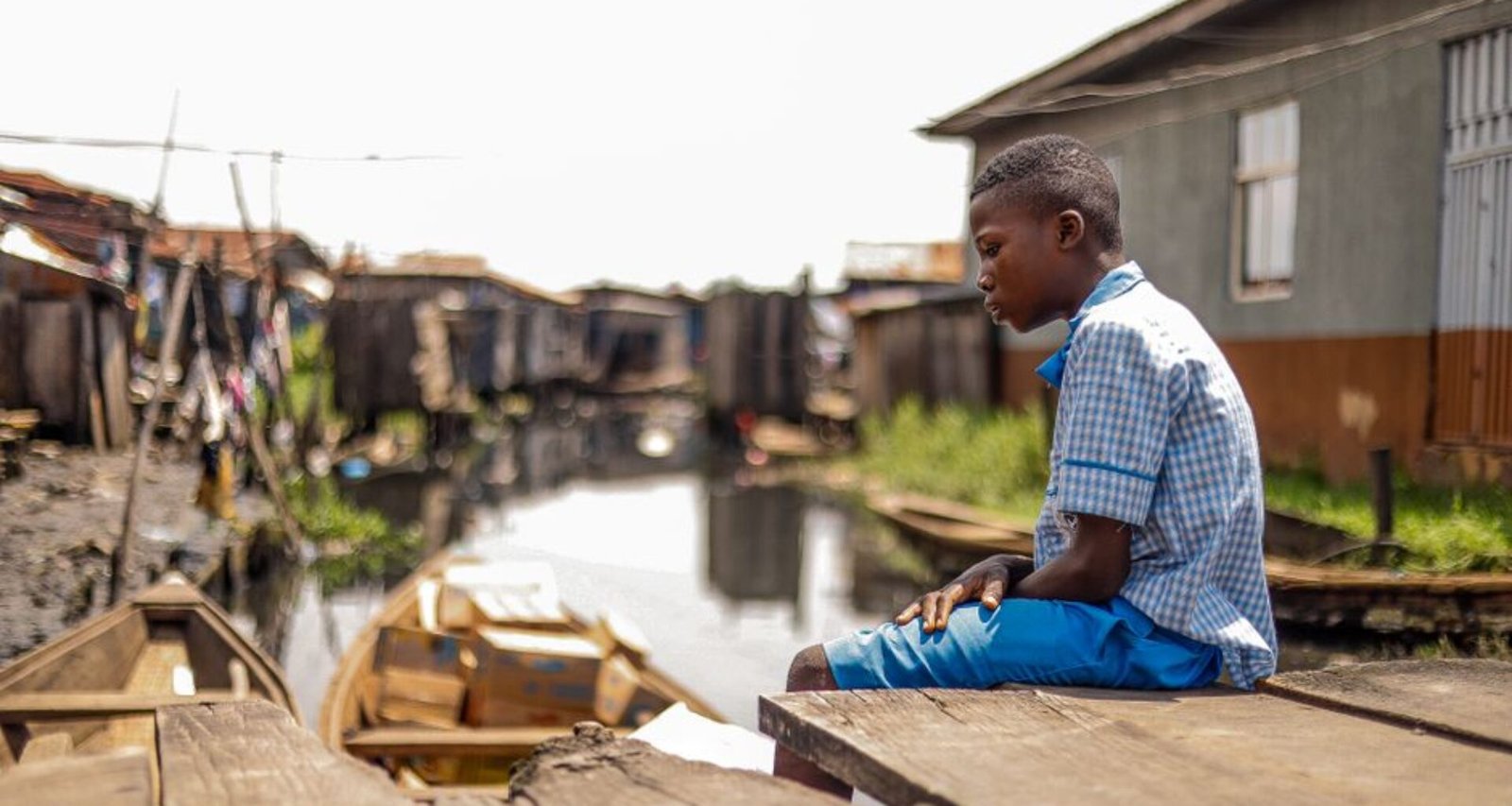
- The National Home-Grown School Feeding Programme now serves 3 million children in Nigeria.
- UNICEF is conducting longitudinal nutrition assessments in partnership with Nigeria’s Ministry of Education.
- Comprehensive evaluation of outcomes is scheduled for September 2026.
Nigeriaâs federal government announced the expansion of its National Home-Grown School Feeding Programme (NHGSFP) in March 2024, scaling up from 1.8 million to 3 million beneficiaries. The initiative, supported by the Federal Ministry of Humanitarian Affairs and the Ministry of Education, seeks to improve primary school enrollment, retention, and nutritional status, particularly in northern and rural regions where stunting remains above 30% according to the 2021 Nigeria Multiple Indicator Cluster Survey.
UNICEF, in partnership with Nigeriaâs government, is leading a comprehensive nutrition tracking study for participating children, involving quarterly data collection at 150 school sites in six target states. Data points include mid-upper arm circumference, hemoglobin concentration, and dietary diversity, with UNICEFâs 2023 baseline indicating 41% of children had moderate to severe dietary inadequacy at program entry. The September 2026 evaluation will compare these metrics longitudinally to assess and publicly report on progress toward SDG targets 2.1 and 2.2 (Zero Hunger, Improved Nutrition).
While Nigeriaâs expansion is a significant policy commitment, UNICEF and local NGOs remain cautious about translating scale into measurable health outcomes. Past independent audits, such as the 2022 ANRiN assessment, flagged occasional food quality lapses and delivery disruptions in urban centers. This year, the Ministry introduced digital vendor tracking and strengthened local food sourcing standards to reduce leakages and bolster farmer livelihoods, but third-party verification will be crucial in validating impact claims ahead of the 2026 milestone.
Some advocacy groups, including BudgIT, have urged the government to release full disbursement and contract transparency data for the NHGSFP to guard against overstated reach and potential greenwashing in international forums. As of June 2024, neither the government nor UNICEF has released complete data on regional disparities in meal delivery, though both organizations affirm ongoing work to improve reporting granularity before the scheduled evaluation.
Frequently Asked Questions
How many children are currently benefiting from Nigeriaâs school feeding program?
As of 2024, the National Home-Grown School Feeding Programme reaches 3 million primary school children across Nigeria, up from 1.8 million in the previous year. The program targets the most vulnerable communities, with a focus on rural and northern states with high malnutrition rates.
What is UNICEFâs role in the program expansion?
UNICEF is collaborating with Nigeriaâs Ministry of Education to track the nutrition and health outcomes of children enrolled in the expanded school meals program. The agency is collecting baseline and follow-up data on dietary diversity, anthropometric measures, and anemia to evaluate SDG progress by September 2026.
Are there concerns about the programâs implementation or transparency?
While the expansion is widely welcomed, advocacy groups have raised concerns about procurement transparency, meal delivery consistency, and possible greenwashing. Independent verification and more granular reporting are priorities for ensuring that announced coverage matches on-the-ground delivery ahead of the 2026 evaluation.
Frequently Asked Questions
How many children does Nigeria’s National Home-Grown School Feeding Programme serve in 2024?
The programme serves 3 million primary school children in Nigeria as of 2024, up from 1.8 million.
What is UNICEF’s role in Nigeria’s school feeding programme?
UNICEF is conducting quarterly nutrition assessments at 150 school sites in six states, tracking indicators like dietary diversity and anemia.
When will the comprehensive evaluation of the school feeding programme’s nutrition outcomes take place?
A comprehensive evaluation is scheduled for September 2026 to assess progress toward SDG targets 2.1 and 2.2.
What changes were made to address food quality and delivery issues in the school feeding programme?
In 2024, the Ministry introduced digital vendor tracking and improved local food sourcing standards to address past delivery and quality issues.
What are the current stunting rates in northern and rural Nigeria?
Stunting rates in northern and rural Nigeria remain above 30% according to the 2021 Nigeria Multiple Indicator Cluster Survey.