


 UN
UN 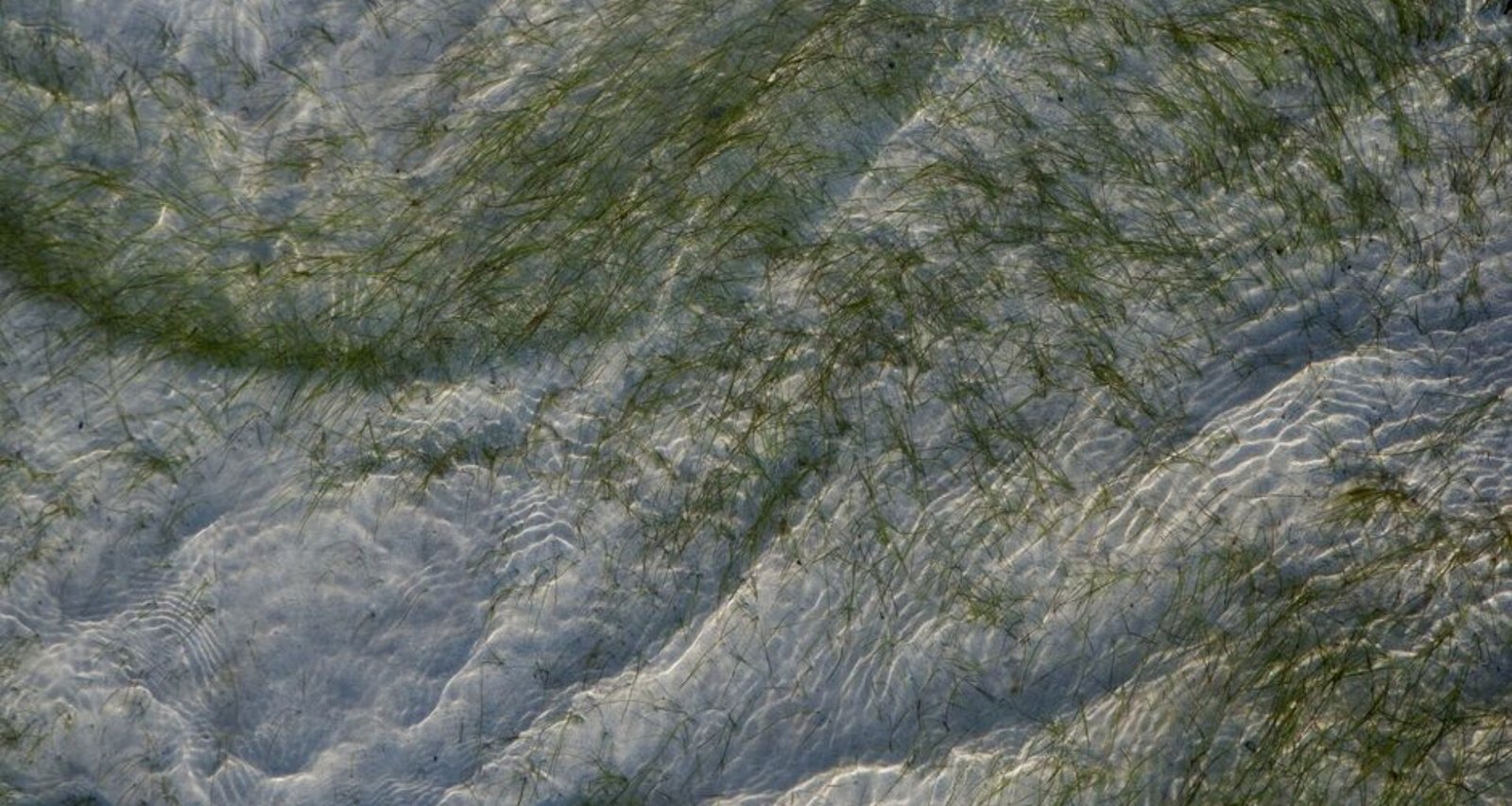
On Monday morning, Arizona State University researchers unveiled a high-resolution global map of seagrass meadows, marking a significant step for marine conservation and SDG 14 (Life Below Water). Using artificial intelligence and satellite imagery, the team identified that nearly 70% of the world’s seagrass meadows are clustered off the shores of just five countries: Australia, Indonesia, the Philippines, Saudi Arabia, and the United States.
Despite seagrasses’ critical role in carbon sequestration and fisheries, the mapping project found that only 21% of these meadows currently fall within designated marine protected areas (MPAs). This gap calls into question the effectiveness of current ocean protection strategies, especially as policymakers gather data for updated national biodiversity targets due later this summer.
Dr. Maria Vasquez, the project’s lead scientist, emphasized the urgency on a press call: “Seagrasses store up to 10% of the ocean’s carbon, but the vast majority remain outside legal protection. High-resolution data is a big shift for monitoring and management.” The new map, which covers over 300,000 square kilometers of seagrass, is expected to inform upcoming MPA expansions in the Asia-Pacific and Middle East regions.
With the holiday season prompting increased coastal tourism, conservation NGOs are urging governments to accelerate MPA designation. The World Wide Fund for Nature (WWF) cited the map’s detailed findings as a potential lever to meet the 30% ocean protection target by 2030, but also cautioned against “paper parks” without enforcement or funding. Critics note that several countries named in the report have made public pledges to prioritize seagrass but have not yet delivered measurable protection outcomes.
In the coming weeks, regional workshops are scheduled in Jakarta and Cairns to translate the map’s findings into actionable policy. By the end of 2026, stakeholders are watching for evidence of actual MPA expansion and improved monitoring, not just headline announcements.
Frequently Asked Questions
What percentage of global seagrass meadows are protected by marine protected areas (MPAs)?
Only 21% of mapped seagrass meadows fall within designated marine protected areas (MPAs).
Which countries have the largest share of the world’s seagrass meadows?
Nearly 70% of global seagrass meadows are located off Australia, Indonesia, the Philippines, Saudi Arabia, and the United States.
How much area does the new global seagrass map cover?
The new map covers over 300,000 square kilometers of seagrass.
Why are seagrass meadows important for the environment?
Seagrasses store up to 10% of the ocean’s carbon and play a critical role in fisheries.
What concerns have been raised about current ocean protection efforts for seagrass?
Critics warn of insufficient enforcement and funding for MPAs, and note that many seagrass meadows remain outside legal protection despite public pledges.