




 UN
UN 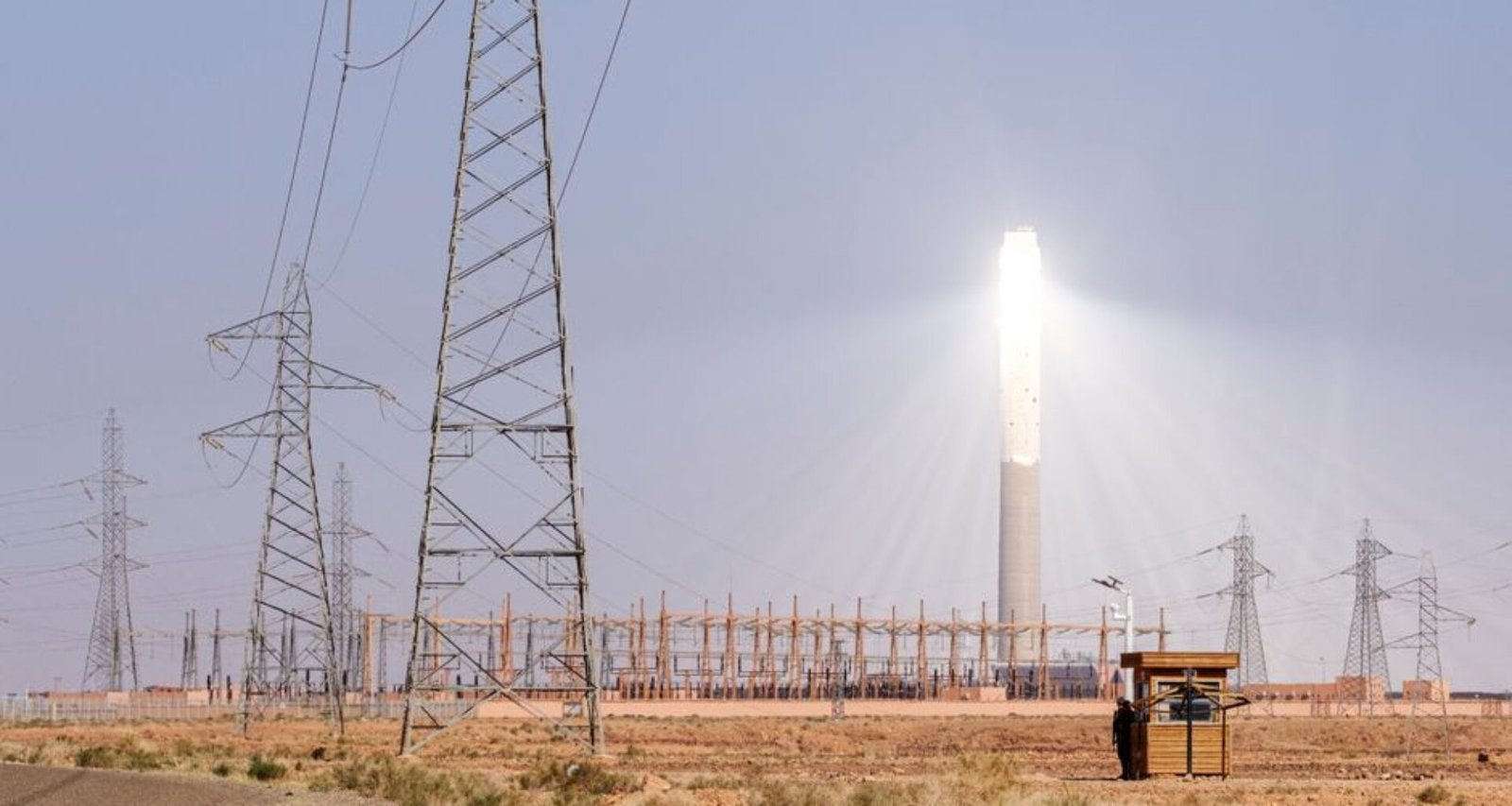
- Noor Midelt and Ouarzazate will approach 1GW combined output by 2026.
- Masen aims to integrate Noor Midelt into the grid within two years.
- Morocco targets 52% renewable electricity capacity by 2030.
Moroccan Agency for Sustainable Energy (Masen) has confirmed that the Noor Midelt and Noor Ouarzazate solar complexes are on course for combined output close to 1GW, with Noor Midelt’s grid integration specifically scheduled for 2026. This would reinforce Morocco’s leadership in utility-scale concentrated solar power (CSP) and hybrid photovoltaic (PV) deployment in the MENA region. Masen reports that the Noor Ouarzazate complex already delivers 580MW, while Noor Midelt is forecast to add approximately 400MW upon completion.
SDG 7 progress in Morocco has relied on both public investment and blended finance. Noor Midelt is supported by the World Bank, African Development Bank, and the European Investment Bank, with total project financing of over $800 million. Unlike past high-profile green announcements without delivery, Masen claims procurement and early construction phases are already underway, though full operational performance will only be verifiable post-2026.
Morocco’s renewable energy strategy is anchored in a national target of reaching 52% renewable electricity capacity by 2030. With the Noor projects, grid integration timelines are critical. While Masen’s 2026 milestone is ambitious, project monitoring by the International Energy Agency suggests past projects faced delays of up to 18 months, primarily due to supply chain and funding complexities. The agency stresses that verified grid connection, rather than public announcements, should be the basis for progress evaluation.
Observers such as Transparency Maroc caution against overstatement and greenwashing in reporting renewable capacity. While Morocco’s solar pipeline is among the largest in Africa, only independently verified grid-delivered megawatts count toward SDG delivery. The Noor twin projects’ 2026 operationalization will provide a key litmus test as the country approaches its 2030 goal.
Frequently Asked Questions
What is the expected combined capacity of Noor Midelt and Ouarzazate by 2026?
By 2026, Noor Midelt and Noor Ouarzazate are expected to jointly deliver nearly 1GW (about 980MW) to Morocco’s national electricity grid. This includes 580MW from Noor Ouarzazate, which is already operational, and an anticipated 400MW from Noor Midelt upon completion and full integration.
What role does Masen play in Morocco’s renewable energy development?
Masen, the Moroccan Agency for Sustainable Energy, is the government entity responsible for planning, financing, and overseeing the deployment of large-scale renewable projects such as Noor Midelt and Ouarzazate. It coordinates international partnerships and ensures alignment with Morocco’s 2030 renewable targets.
How reliable are Morocco’s renewable energy milestones?
While Morocco’s renewable announcements are often ambitious, past projects have faced delays due to funding and logistical issues. Experts state that only grid-connected, independently verified output should count as measurable progress, and caution against claims not yet substantiated by delivery.
Frequently Asked Questions
What is the combined capacity of Morocco’s Noor Midelt and Noor Ouarzazate solar projects by 2026?
By 2026, Noor Midelt and Noor Ouarzazate are expected to deliver nearly 1GW (about 980MW) to Morocco’s national grid.
When is Noor Midelt expected to be connected to Morocco’s national grid?
Noor Midelt’s grid integration is scheduled for 2026, with procurement and early construction already underway.
How much electricity does Noor Ouarzazate currently generate?
The Noor Ouarzazate complex already delivers 580MW to the national grid.
Who is financing the Noor Midelt solar project?
Noor Midelt is financed by the World Bank, African Development Bank, and European Investment Bank, with over $800 million in funding.
What is Morocco’s national renewable electricity target for 2030?
Morocco aims to reach 52% renewable electricity capacity by 2030.