



 UN
UN 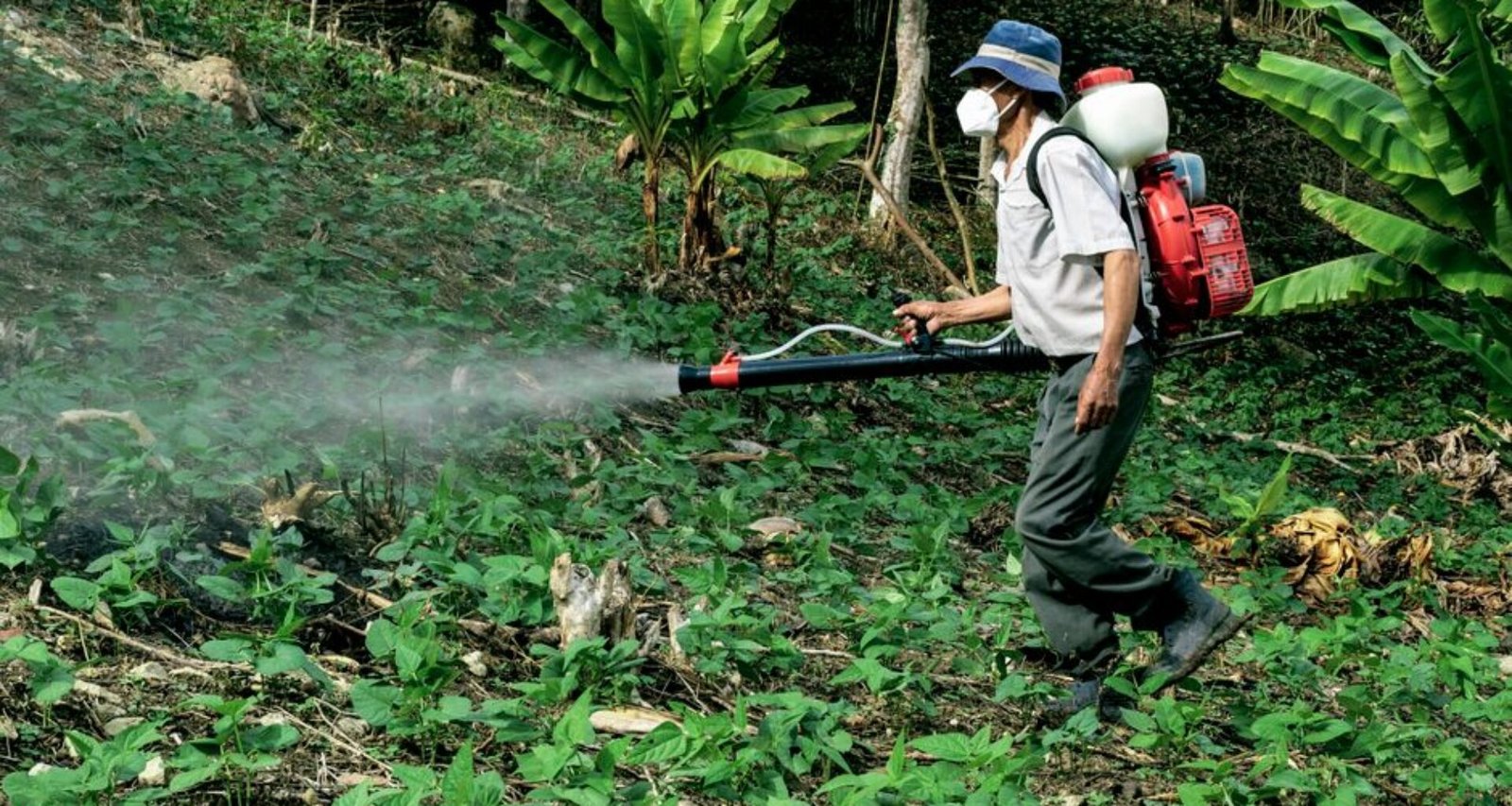
On Tuesday morning in Khikatxi village, deep within Brazil’s Xingu region, elders gathered to discuss the latest low-flying plane sighted over the Wawi Indigenous Territory. For years, residents have watched as single-engine aircraft sprayed nearby soy plantations, leaving a chemical haze that often drifted across their forest boundary. The dry heat of July has only sharpened concerns: households reported increased skin irritation and gastrointestinal illness this summer, attributing symptoms to pesticide exposure.
According to local accounts, these overflights intensify with each harvest, usually peaking in July and August. Residents have documented cloudy creek water, weaker manioc and maize yields, and a noticeable scarcity of small game. “We see the river change and our food disappear,” one community leader said at a Wednesday meeting. The symptoms align with findings from the Instituto Socioambiental, which has tracked agrochemical impacts on Indigenous health in the region since 2026 began.
The Wawi Indigenous Territory, home to the Khisêtjê people, sits adjacent to expanding soy fields managed by agribusiness interests. Despite federal promises of buffer zones, enforcement remains limited. The community turned to Khuiusi Khisêtjê, a young leader who last month helped secure a temporary injunction against further aerial spraying within two kilometers of Indigenous land. Legal filings cite SDG 15 (Life on Land) and Brazil’s own land rights statutes.
While the injunction marks a rare legal victory, compliance is inconsistent. Last Friday, residents filmed another plane crossing into restricted airspace. Environmental NGOs, including the Instituto Socioambiental and WWF-Brasil, have called for satellite monitoring and on-the-ground inspections this summer, but government response has lagged amid the holiday season.
Looking ahead, Khikatxi’s residents are organizing a public forum for early August 2026 to press state officials for permanent protections. Their demands include real-time pesticide drift alerts, stricter licensing for crop dusters, and restoration of contaminated streams. With Brazil’s next agricultural export forecast due later this month, community leaders aim to keep land rights and environmental health on the national agenda.
Frequently Asked Questions
Where is Khikatxi village located?
Khikatxi village is located in the Wawi Indigenous Territory, home to the Khisêtjê people, in Brazil’s Xingu region.
What health and environmental problems are Khikatxi residents experiencing?
Residents report increased skin irritation, gastrointestinal illness, contaminated water, and declining crop yields linked to pesticide drift from neighboring soy fields.
What legal action has the Khikatxi community taken against pesticide spraying?
In July 2026, the community secured a temporary injunction banning aerial pesticide spraying within two kilometers of Indigenous land, though enforcement is inconsistent.
Which organizations are supporting the Khikatxi community’s fight against pesticide drift?
Environmental NGOs such as Instituto Socioambiental and WWF-Brasil are supporting the community by calling for satellite monitoring and stricter enforcement.
What are the Khikatxi community’s demands for government action?
The community is demanding permanent protections, real-time pesticide drift alerts, stricter licensing for crop dusters, and restoration of contaminated streams.