



 UN
UN 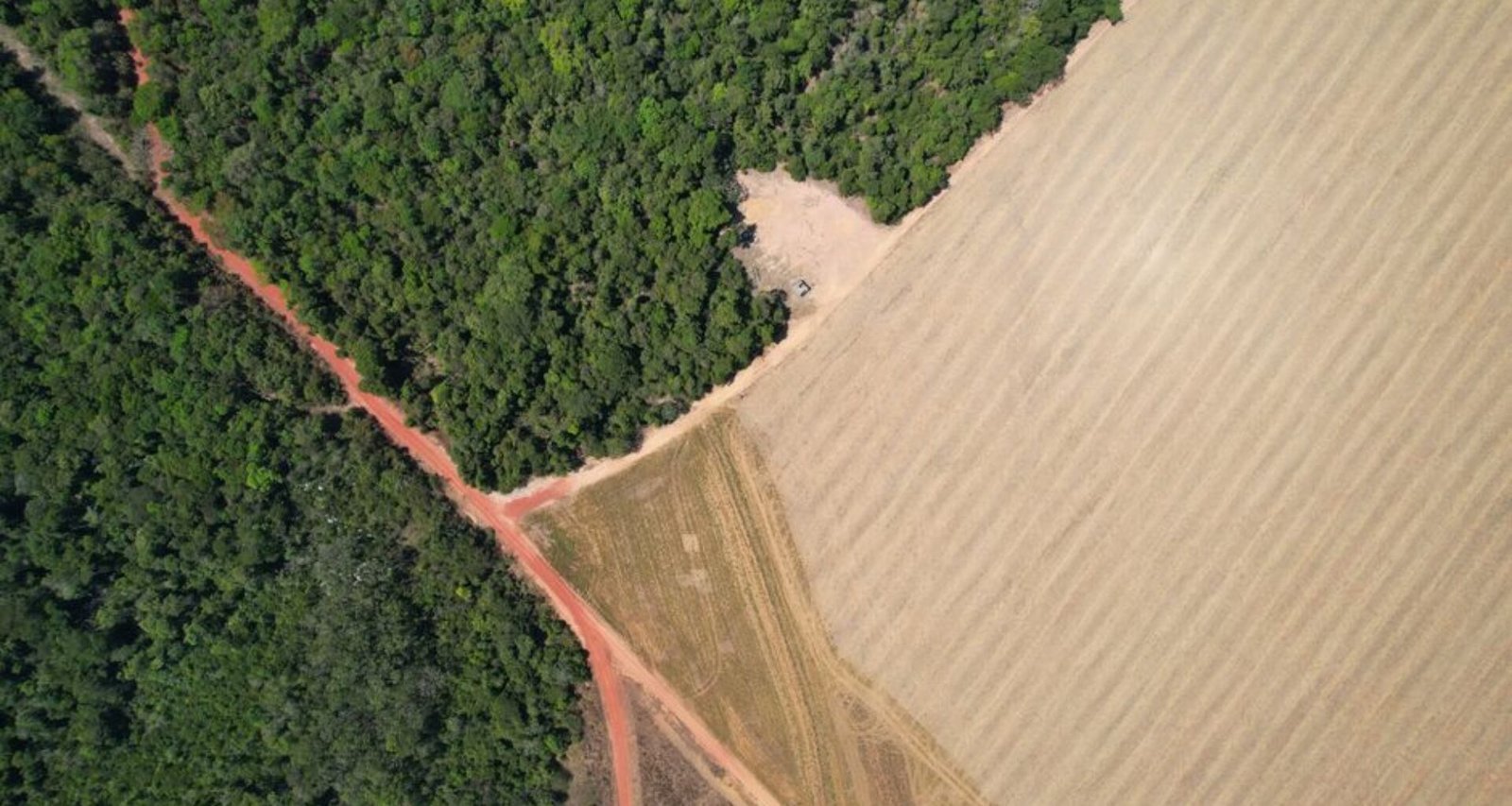
On Wednesday morning in Spanish Lookout, Belize, the hum of tractors and the scent of fresh earth signaled the ongoing transformation of the region’s forests. Newly released government land records confirm that Mennonite communities have expanded agricultural activities deep into the Maya Forest Corridor, a conservation priority area recognized for its role in connecting Belize’s remaining intact forests.
The controversy began four years ago when local Mennonite farmers acquired property inside the corridor, an area mapped by the Belize government for biodiversity protection. Conservation organizations, including the Belize Maya Forest Trust, flagged the lack of a completed environmental impact assessment prior to the start of land clearing. Satellite imagery and on-the-ground reports from the Belize Forest Department documented significant deforestation, with burned fields and runoff pollution observed near critical wildlife habitats this summer.
The Maya Forest Corridor, covering approximately 35,000 hectares, is regarded as the last viable link for jaguar migration between northern and southern Belize. Conservationists warn that ongoing agricultural expansion could fragment habitats beyond recovery by the 2028 national biodiversity review. Mennonite leaders, however, emphasize the economic necessity of expanding arable land, citing rising commodity prices and local food security needs as justification for the development.
This week, government officials in Belmopan acknowledged that enforcement of environmental regulations has lagged, especially during the current rainy season when field inspections are challenging. The Ministry of Sustainable Development told SDG Talking that new guidelines for land use permitting in biodiversity corridors are slated for release later this month, but stopped short of promising retroactive enforcement against past violations.
As Belize approaches its next SDG progress report cycle in late 2026, the balance between rural economic growth and forest conservation remains a flashpoint. Observers are watching whether the upcoming policy changes will translate into measurable reductions in deforestation rates or if the Maya Forest Corridor will continue to shrink under agricultural pressure.
Frequently Asked Questions
How are Mennonite communities impacting the Maya Forest Corridor in Belize?
Mennonite communities have expanded farming into Belize’s 35,000-hectare Maya Forest Corridor, causing significant deforestation and habitat fragmentation.
Why is the Maya Forest Corridor important for wildlife in Belize?
The Maya Forest Corridor is the last major link for jaguar migration between northern and southern Belize and is a key wildlife habitat.
What environmental concerns have been raised about Mennonite land use in Belize?
Conservationists have documented deforestation, burned fields, and runoff pollution near critical wildlife habitats due to Mennonite agricultural expansion.
Is the Belize government taking action on deforestation in the Maya Forest Corridor?
The government plans to release new land use guidelines for biodiversity corridors later this month, but retroactive enforcement against past violations is unlikely.
How might this issue affect Belize’s Sustainable Development Goals (SDG) reporting?
Ongoing deforestation in the Maya Forest Corridor may impact Belize’s SDG progress reporting cycle in late 2026.