

 UN
UN 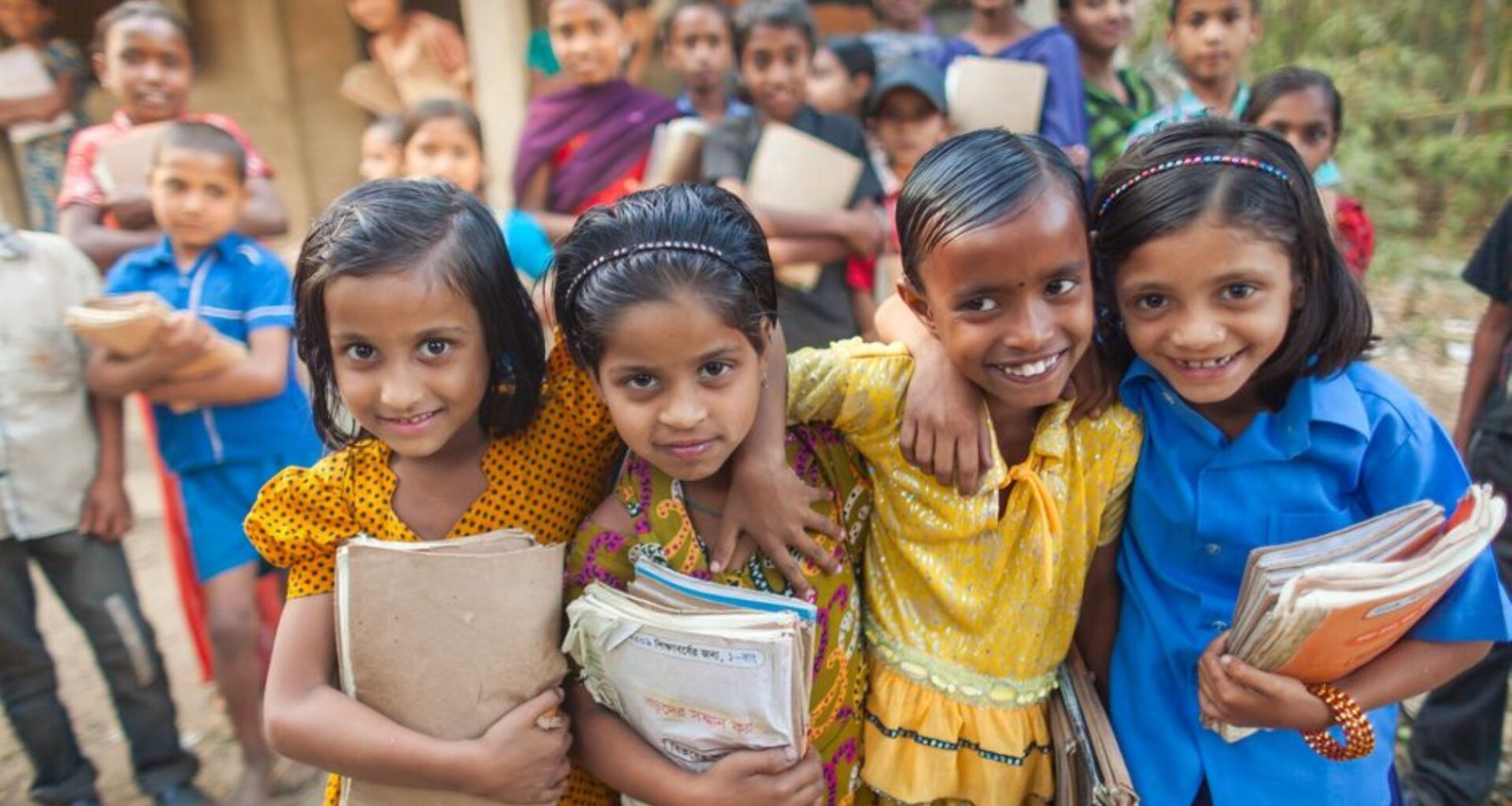
- The $80 million Save the Children project began in June 2024 in Bangladesh.
- First phase monitoring and evaluation report is scheduled for November 2026.
- Bangladesh currently reports a 16% gender gap in secondary school literacy (UNESCO, 2023).
Save the Children, a leading international NGO, launched the Bangladesh Girls’ Literacy Initiative in June 2024 to address the persistent literacy gender gap in the country. The $80 million programme is one of the largest single-country investments in girls’ education by a non-governmental entity, targeting over 200,000 adolescent girls in rural and underserved regions. The initiative is designed to run over five years, with the first phase’s results to be publicly disclosed by November 2026.
Bangladesh faces significant challenges in achieving gender parity in educational outcomes. According to UNESCO’s 2023 figures, the secondary school literacy rate for girls trails boys by 16 percentage points, with rural districts recording even wider gaps. Save the Children’s programme collaborates with Bangladesh’s Ministry of Education and local NGOs, focusing on teacher training, digital resources, and community engagement to reduce dropout rates and improve reading proficiency among girls aged 10-16. The initiative aligns with Bangladesh’s national SDG 4 targets on quality education and gender equality, but independent verification of progress will be key.
While the project announcement has drawn praise from both government and civil society stakeholders, experts caution that delivery—not pledges—will be the critical metric. International donors and monitoring groups, including UNICEF and BRAC, have underscored the need for transparent progress reporting and robust impact evaluation. With the first phase slated for assessment in November 2026, the sector will watch closely to distinguish between headline commitments and measurable literacy gains.
The literacy initiative is positioned as a model for public-private cooperation, but skepticism remains regarding potential greenwashing or overstatement of impact. Past education campaigns in Bangladesh have sometimes reported inflated reach or ambiguous outcomes. Save the Children states that it will publish disaggregated results and adopt third-party audits for the 2026 milestone, a move sustainability professionals view as essential for credibility and sector learning.
Frequently Asked Questions
What specific outcomes are expected by November 2026?
By November 2026, Save the Children aims to report on literacy rate improvements among at least 100,000 participating girls, reductions in gender-based dropout rates, and the effectiveness of digital resource deployment. The organization has committed to independent third-party evaluation for transparent impact reporting.
How does the initiative align with Bangladesh’s SDG targets?
The literacy programme is directly linked to Bangladesh’s commitments under SDG 4 (Quality Education) and SDG 5 (Gender Equality), focusing on reducing the gender gap in literacy and school retention. Collaboration with the Ministry of Education ensures alignment with national policy benchmarks for 2025-2030.
What measures are in place to avoid greenwashing?
Save the Children has pledged to conduct independent third-party audits and publish disaggregated, independently verified results in its November 2026 assessment. The initiative’s transparency measures are designed to prevent overstatement of impact and ensure accountability to donors and beneficiaries.
Frequently Asked Questions
What is the budget and duration of Save the Children’s girls’ literacy programme in Bangladesh?
Save the Children has committed $80 million to a five-year girls’ literacy programme in Bangladesh starting June 2024.
How many girls will the literacy initiative in Bangladesh target?
The programme targets over 200,000 adolescent girls in rural and underserved regions of Bangladesh.
What is the current gender gap in secondary school literacy in Bangladesh?
According to UNESCO (2023), Bangladesh has a 16% gender gap in secondary school literacy, with girls lagging behind boys.
When will the first results of the Save the Children literacy project be reported?
The first phase monitoring and evaluation report is scheduled for November 2026.
How will the impact of the girls’ literacy programme be measured and reported?
Save the Children states it will publish disaggregated results and adopt third-party audits for the 2026 milestone to ensure transparency and credibility.