UN
UN 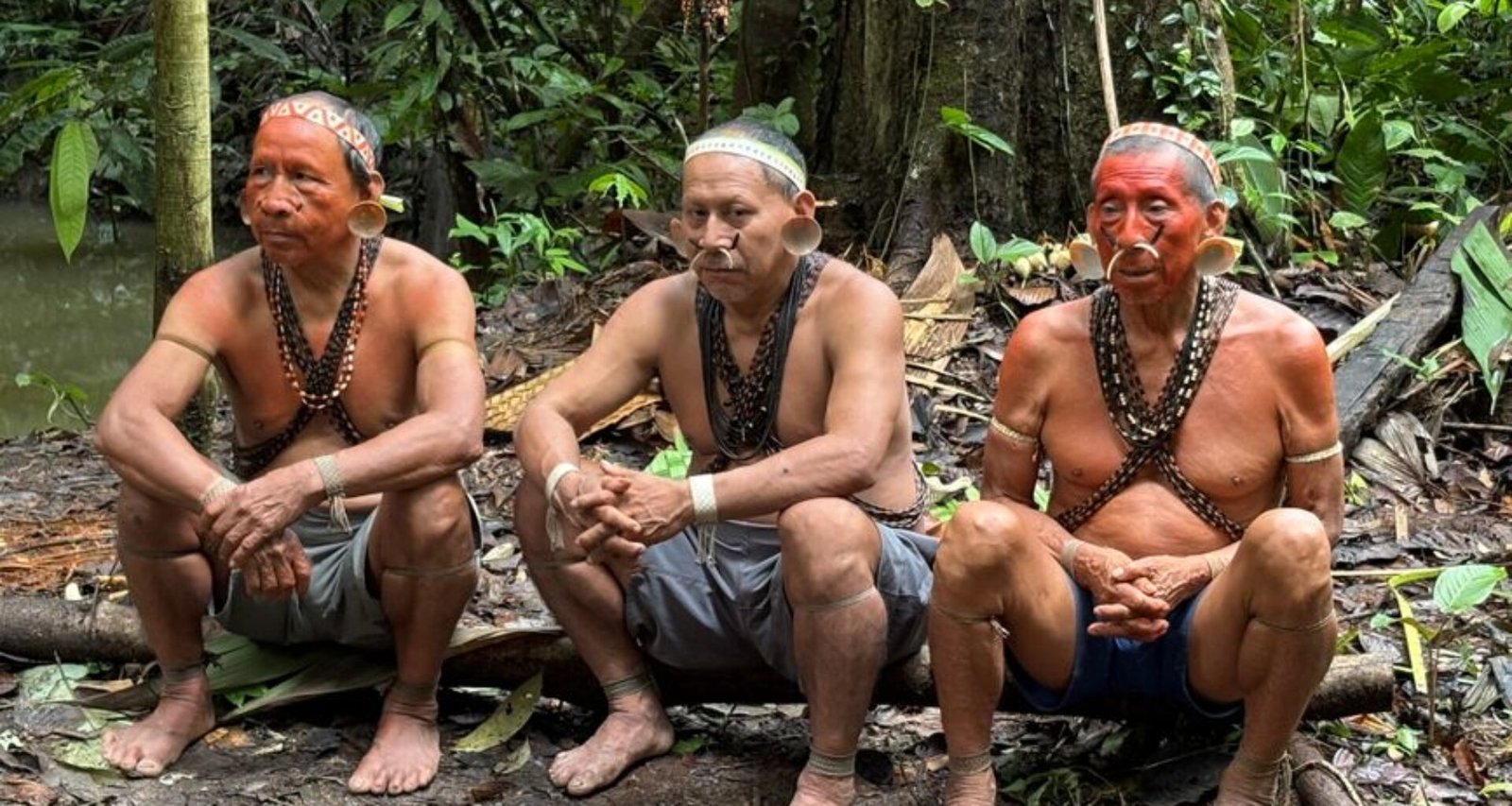
As the summer heat intensifies across Colombia, the Cerros de Mavicure have become a focal point for Amazon conservation discussions. Rising abruptly from the dense forests of Guainía, these ancient rock formations tower above the Inírida River, their black granite faces reflecting the sun while local Indigenous guides lead small groups of scientists and policymakers along the river’s edge.
This month, the Guainía department is drawing heightened attention in the wake of Mongabay Latam’s PUMA FEST in Bogotá, where preservation of sacred landscapes and Indigenous-led management featured prominently. The region’s Puinave and Curripaco communities have formalized new conservation agreements with Colombia’s Ministry of Environment, aiming to safeguard over 40,000 hectares of rainforest by the end of 2026.
Despite national commitments to halt deforestation—Colombia’s government pledged last quarter to reduce forest loss by 30% in Guainía—the pace of on-the-ground progress remains uneven. Satellite data published this week by the Colombian NGO Fundación para la Conservación y el Desarrollo Sostenible shows a 9% decrease in tree cover in the area since January, primarily due to illegal gold mining and cattle ranching.
While official statements highlight collaboration, some local leaders warn of ongoing greenwashing. “International donors make promises, but funding rarely reaches our communities,” said Mariela Ruiz, a Puinave elder, during a Friday morning roundtable in Inírida. She called for transparent accounting and stronger legal recognition of Indigenous land rights as preconditions for real progress by 2026.
With the Amazon’s dry season expected to peak later this month, fire risk and enforcement gaps remain immediate concerns for regional authorities. As policymakers eye the Cerros de Mavicure as a symbol of Colombia’s SDG ambitions, the challenge lies in turning summer headlines into sustained, measurable protection for both people and landscape.
Frequently Asked Questions
What conservation agreements have Indigenous communities in Guainía made?
The Puinave and Curripaco communities have formalized agreements to protect over 40,000 hectares of rainforest by the end of 2026.
What are the main causes of deforestation in Guainía, Colombia?
Illegal gold mining and cattle ranching are the primary causes of deforestation in Guainía.
How much has tree cover decreased in Guainía since January?
Satellite data shows a 9% decrease in tree cover in Guainía since January.
What is the Colombian government’s target for reducing forest loss in Guainía?
The Colombian government pledged to reduce forest loss in Guainía by 30%.
What challenges do Indigenous leaders in Guainía report regarding conservation funding?
Indigenous leaders report that international funding rarely reaches their communities and call for transparent accounting and stronger legal recognition of land rights.