


 UN
UN 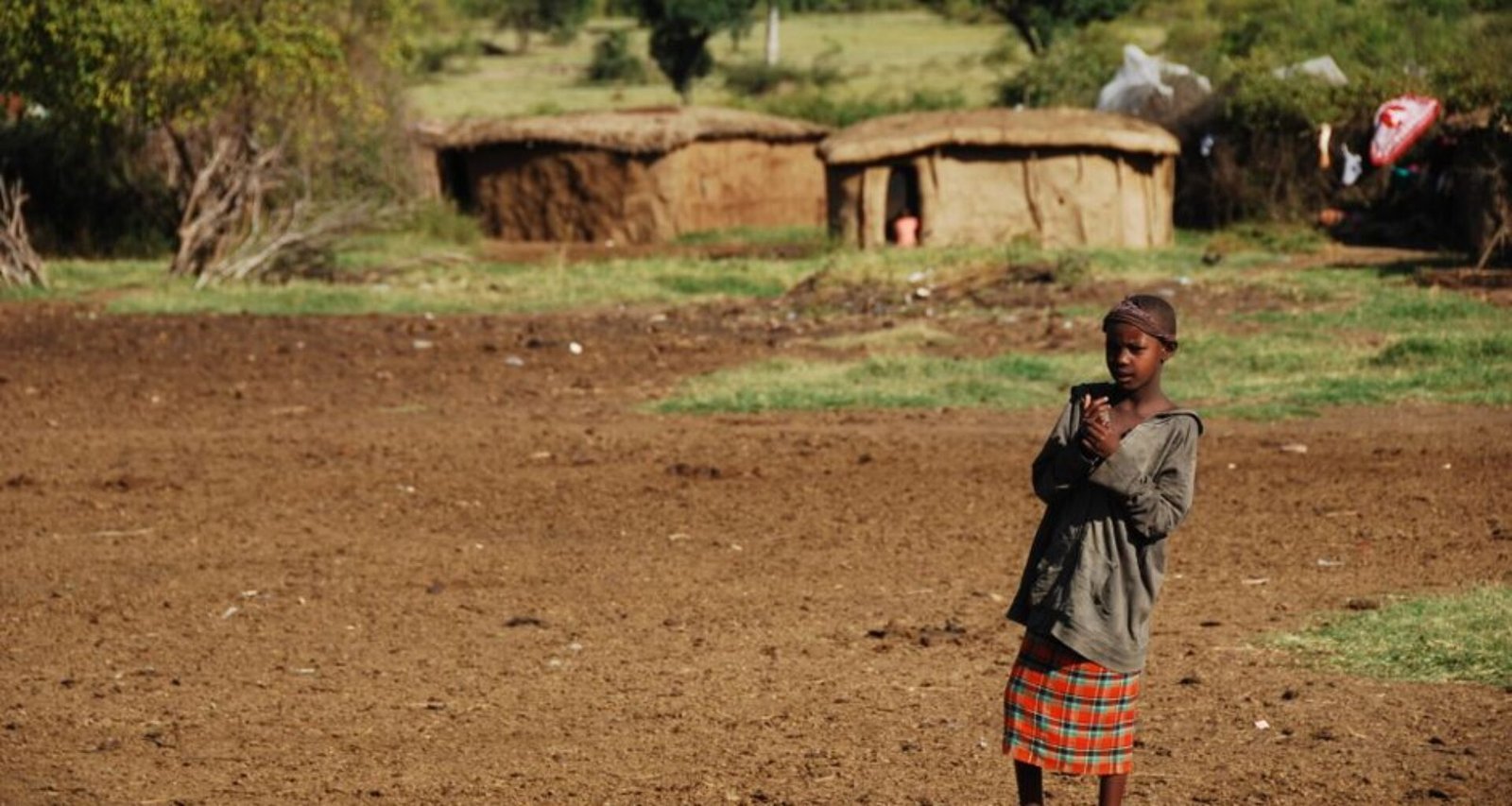
- 28% literacy uptick among rural girls reported in Kenya since 2022.
- UNICEF partnership will support national expansion by Q4 2026.
- The National Reading Fund’s results cover 14 rural counties to date.
Kenya’s National Reading Fund, in partnership with UNICEF, has published new data showing rural girls’ literacy rates rose by 28% since 2022 in 14 pilot counties. This announcement, made at a Nairobi press conference on June 18, 2024, cites standardised testing and verified school attendance records as measurement sources. The report comes as part of Kenya’s ongoing effort to accelerate progress toward SDG 4 (Quality Education) and SDG 5 (Gender Equality) by 2026.
The National Reading Fund, established by Kenya’s Ministry of Education, focuses on curriculum resources and teacher training tailored to girls in rural settings. With over $12 million (KES 1.5 billion) in funding since 2022, the Fund has distributed 400,000 textbooks and trained 6,200 teachers with UNICEF technical support. The program’s design targets regions with historically low literacy outcomes, prioritizing arid and semi-arid counties such as Turkana, Marsabit, and Garissa.
UNICEF’s partnership with the Kenyan government has centered on scaling evidence-based interventions. The organizations plan to expand to all 47 counties by Q4 2026, with UNICEF committing an additional $5 million to resource development and digital learning infrastructure. While the reported 28% gain signals tangible success, UNICEF officials noted that the expansion target requires swift procurement reforms to prevent implementation bottlenecks.
Kenya’s Ministry of Education has acknowledged the risk of overstatement, emphasizing that the current figures reflect only completed pilot regions. Independent education NGO Uwezo Kenya has called for third-party audits before nationwide rollout, citing risks of greenwashing if progress figures are extrapolated too broadly. Despite these concerns, the partnership marks one of Sub-Saharan Africa’s most data-driven approaches to closing the gender literacy gap in rural communities.
Frequently Asked Questions
How was the 28% literacy increase measured?
The National Reading Fund used standardized literacy tests administered to over 30,000 rural girls in 14 counties, supplemented by attendance and classroom performance data verified by the Ministry of Education and UNICEF monitoring teams. Data collection was completed in May 2024, ensuring recent and relevant benchmarks.
What is the timeline and scope for the nationwide expansion?
The UNICEF-backed program aims to reach all 47 of Kenya’s counties by Q4 2026. The expansion will focus on replicating successful methods from the pilotâespecially teacher training, textbook provision, and digital enhancementsâacross both rural and peri-urban regions.
How do independent observers assess the program’s credibility?
NGOs such as Uwezo Kenya have welcomed initial gains but stress the need for third-party auditing before claiming nationwide impact. They caution against greenwashing and urge transparent reporting as the program scales, recommending annual independent evaluations alongside government and UNICEF data.
Frequently Asked Questions
How much did rural girls’ literacy rates increase in Kenya since 2022?
Rural girls’ literacy rates increased by 28% in 14 Kenyan counties since 2022.
How was the 28% literacy increase for rural girls in Kenya measured?
The increase was measured using standardized literacy tests administered to over 30,000 rural girls, along with attendance and classroom performance data verified by the Ministry of Education and UNICEF.
How many teachers were trained and textbooks distributed in the program?
6,200 teachers were trained and 400,000 textbooks were distributed as part of the program.
When will the literacy program expand to all counties in Kenya?
The program aims to expand to all 47 counties in Kenya by Q4 2026.
What concerns have been raised about the reported literacy gains?
NGO Uwezo Kenya has called for third-party audits before nationwide rollout, warning against extrapolating pilot results and the risk of greenwashing.