UN
UN 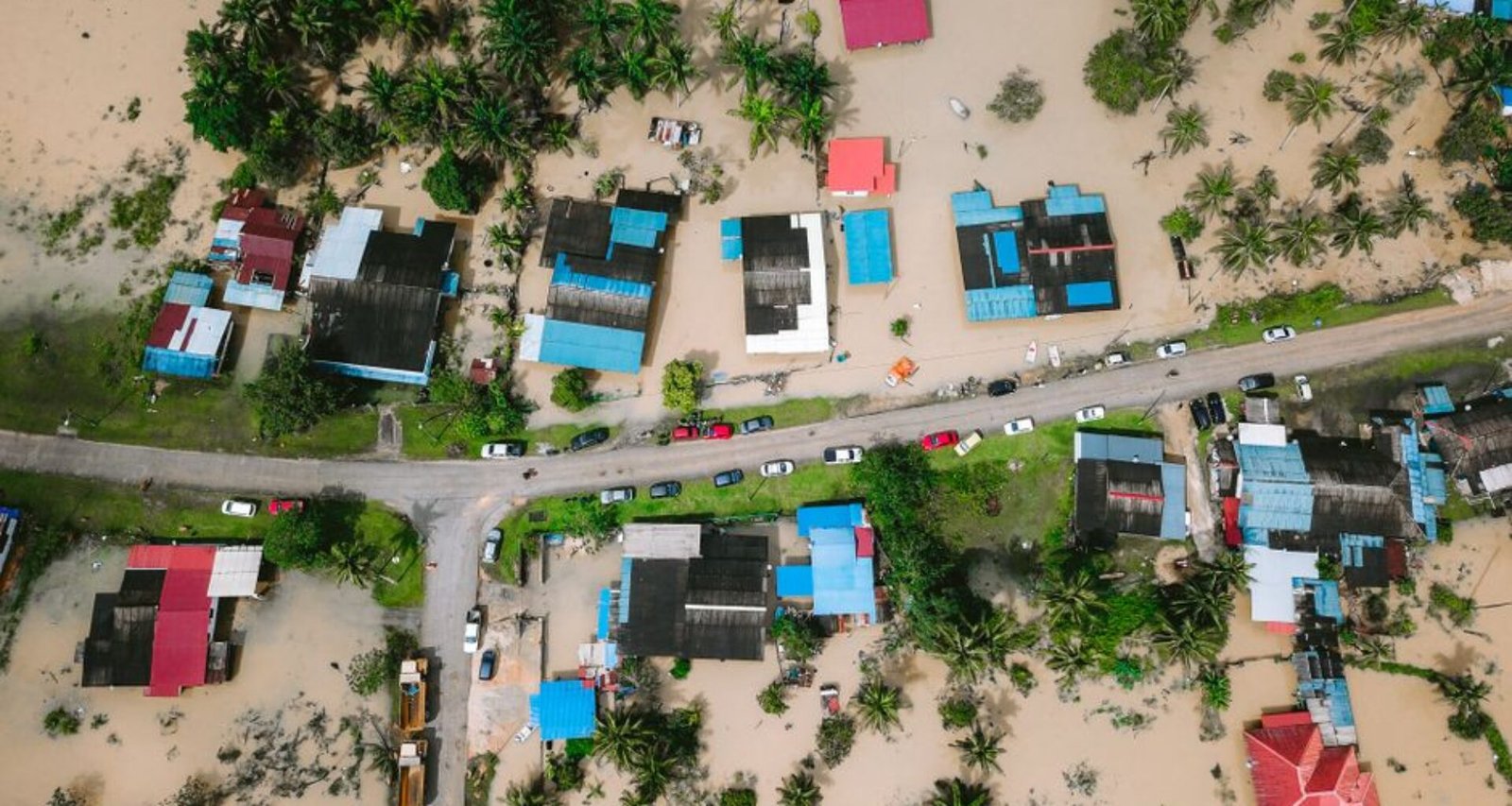
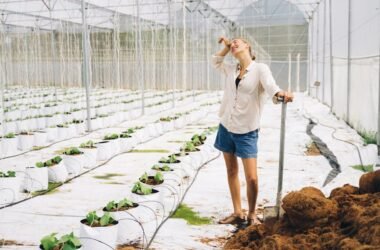
As Monday’s heatwave grips Suva’s downtown market, Pacific Island meteorological services are warning that a supercharged El Niño is imminent this season. The Pacific Community (SPC) confirmed today that above-average sea surface temperatures and disrupted rainfall patterns are already impacting Fiji, Vanuatu, and the Solomon Islands, with peak intensity forecasted for later this summer.
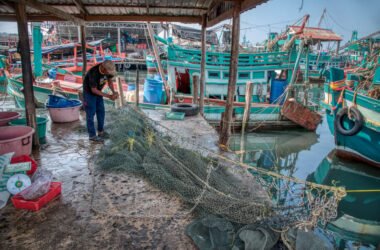
Local authorities in Fiji say emergency water supplies have been deployed to the Western Division, where crop failures and saltwater intrusion threaten both food security and livelihoods. Fiji’s Ministry of Agriculture reports at least a 15% drop in sugarcane yields since early June, raising concerns for export earnings and rural employment through 2026.
Regional adaptation projects, including the $52 million Green Climate Fund-backed “Pacific Resilience Programme,” have accelerated mangrove restoration and flood defenses, but SPC officials acknowledge that project delivery remains uneven. While satellite data shows increased mangrove cover near Nadi, community leaders in outer islands report limited access to adaptation funding and technical support, highlighting persistent equity gaps.
UNDP’s Pacific Office urges governments and donors to treat this El Niño event as a test case for nature-based adaptation, with measurable targets due by December 2026 under the SDG 13 (Climate Action) framework. However, local NGOs caution against over-reliance on “nature as infrastructure” rhetoric, calling for transparent tracking of adaptation outcomes and clear separation between announced pledges and on-the-ground delivery.
With tourism season in full swing and coastal resorts facing king tide threats, calls for urgent investment in both engineered and ecosystem-based solutions are growing louder. As policymakers prepare for the next round of climate financing talks in Apia later this month, the region’s vulnerabilities—and the gap between resilience plans and lived reality—have rarely been more exposed.
Frequently Asked Questions
What impacts is the 2026 El Niño having on Pacific Island nations?
The 2026 El Niño is causing above-average sea surface temperatures, disrupted rainfall, crop failures, and saltwater intrusion in countries like Fiji, Vanuatu, and the Solomon Islands.
How has Fiji’s agriculture been affected by the 2026 El Niño event?
Fiji’s sugarcane yields have dropped by at least 15% since early June 2026, threatening export earnings and rural jobs.
What adaptation measures are being implemented in response to El Niño in the Pacific?
Adaptation measures include mangrove restoration, flood defenses, and emergency water supply deployment, supported by the $52 million Pacific Resilience Programme.
What challenges are Pacific nations facing in climate adaptation efforts?
Project delivery remains uneven, with outer island communities reporting limited access to adaptation funding and technical support, exposing equity gaps.
What are the calls to action from organizations regarding El Niño adaptation in the Pacific?
UNDP urges measurable adaptation targets by December 2026 under SDG 13, while local NGOs call for transparent tracking of adaptation outcomes and clear distinction between pledges and actual delivery.