

 UN
UN

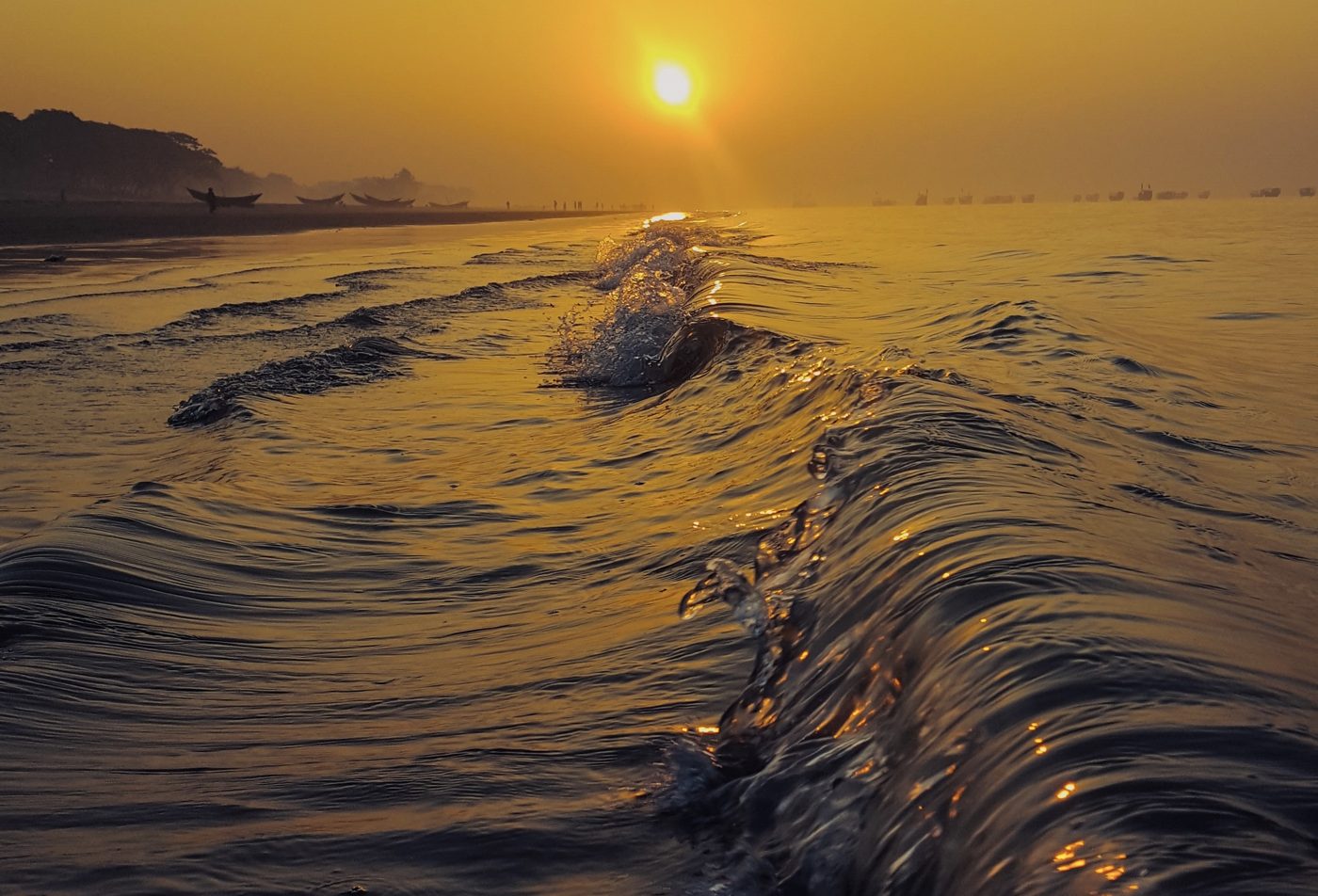
Featured photo: WMO 2026 Calendar Competition / Ahnaf Ibne Nasir.
The signal is no longer subtle
On 23 March 2026, the World Meteorological Organization said Earth’s climate was more out of balance than at any time in observed history. That is not only a statement about long-term warming. It is a statement about how many parts of the climate system are shifting at once, and how quickly those shifts are now showing up in the real economy.
WMO’s State of the Global Climate 2025 summary says 2015-2025 were the hottest 11 years on record and that 2025 was the second or third hottest year ever measured, at about 1.43 C above the 1850-1900 average. The organization also said the ocean has been absorbing the equivalent of about eighteen times annual human energy use every year for the past two decades, while Arctic and Antarctic sea ice and glacier systems remain under severe stress.
Those indicators matter because they show that the climate story is no longer just about a hotter future. It is about a less stable present.
The first weeks of 2026 already looked like climate whiplash
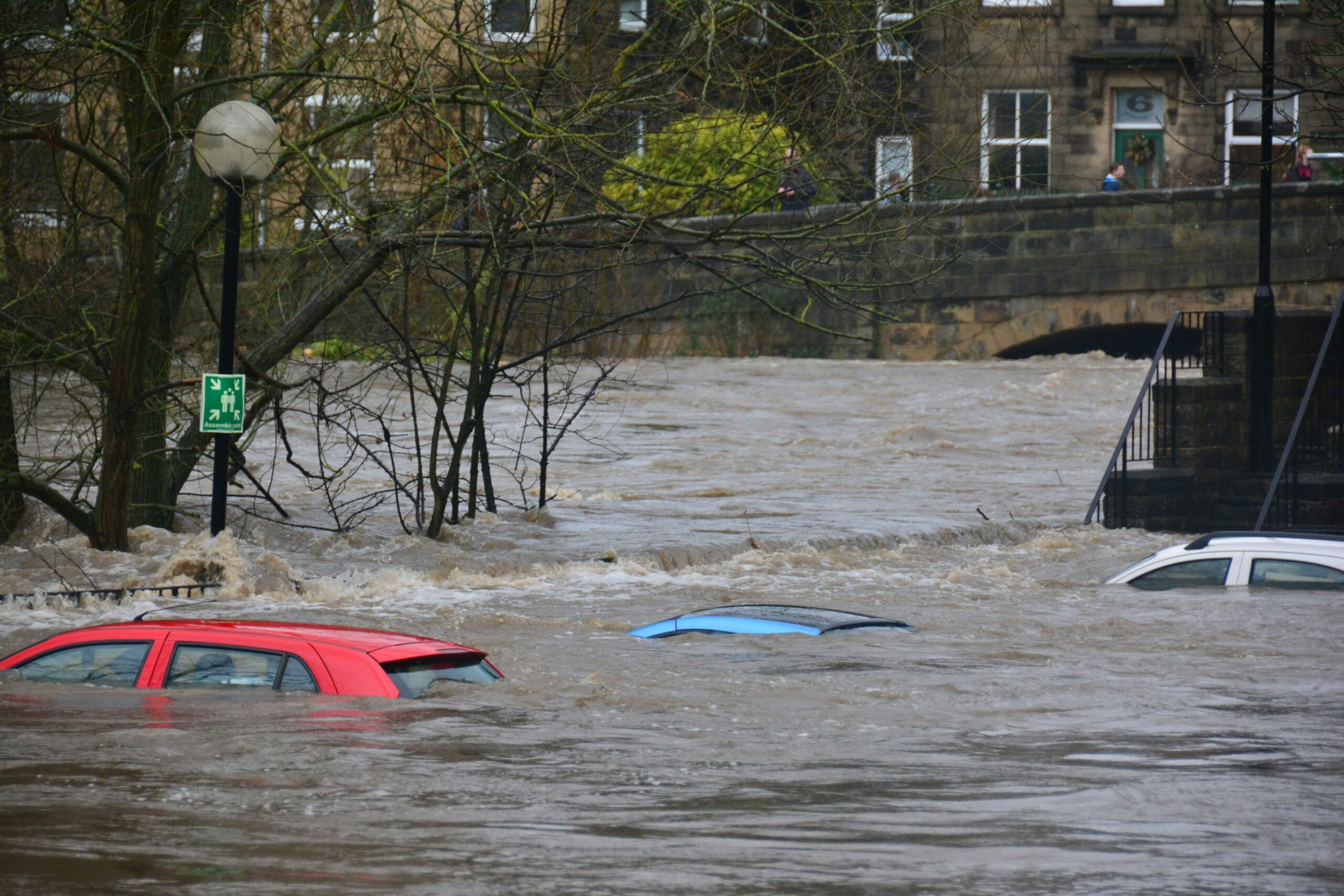
WMO’s 10 February 2026 update makes that instability concrete. January 2026 was the fifth warmest on record globally, but the month also delivered intense regional cold waves, heavy precipitation, flooding, and destructive fire weather.
Europe had its coldest January since 2010 as a meandering polar jet stream pushed Arctic air into Europe and North America. At the same time, monthly temperatures were still above average across much of the globe, including large parts of the Arctic, Greenland, and western North America. In the Southern Hemisphere, record heat helped drive wildfire conditions in Australia, Chile, and Patagonia. Ceduna in South Australia reached 49.5 C on 26 January, a local record, while heavy rains in southern Africa triggered severe flooding in Mozambique that affected at least 650,000 people and damaged or destroyed at least 30,000 homes.
This is why climate risk is becoming harder to communicate through a single number. A warmer system does not erase cold outbreaks, flood disasters, or regional weather volatility. It can amplify instability around them.
The policy gap is now about preparedness
WMO’s framing is increasingly clear: adaptation capacity matters as much as the hazard itself. In its February warning, Secretary-General Celeste Saulo said disaster-related deaths are six times lower in countries with good early warning coverage. That shifts the core question away from whether extremes will happen and toward whether public systems are built to absorb them.
The same logic runs through the Extreme Heat Risk Governance Framework and Toolkit launched by WMO and partners at COP30 in November 2025. WMO says extreme heat already claims more than half a million lives every year and led to a record 639 billion potential work hours lost in 2024, equal to about USD 1 trillion or 1% of global GDP. Cities are warming twice as fast as the global average, which means transport systems, power grids, public health services, schools, and labor markets all face growing pressure from the same hazard.
In other words, climate whiplash is no longer a weather desk curiosity. It is an infrastructure management problem.
Why this matters for governments and cities
The practical implication is that resilience has to become more integrated. Heat planning cannot sit apart from health systems. Flood response cannot sit apart from water, housing, and disease surveillance. Wildfire policy cannot be separated from land management, forecasting, and evacuation planning. WMO’s recent messaging suggests that governments still tend to manage these risks in silos even as the hazards themselves increasingly overlap.
That matters especially for cities, where the impacts pile up fastest. Dense urban areas face higher heat exposure, infrastructure interdependence, and more vulnerable populations in a smaller space. When the same season can bring cold snaps, flood damage, smoke, or dangerous heat, resilience planning has to be treated as essential public infrastructure rather than a climate side project.
What happens next
The deeper warning from WMO is not that every week will bring every hazard. It is that the climate system now carries more energy, more moisture imbalance, and more risk of costly extremes arriving in rapid succession. That makes forecast quality, early warning access, heat governance, and public investment far more important than they were when extremes were treated as rarer shocks.
The start of 2026 suggests the old distinction between climate trend and weather disaster is becoming less useful in practice. For policymakers, the real test is whether they build systems that can handle both at the same time.
Sources
- WMO, Earth’s climate swings increasingly out of balance
- WMO, Extreme heat, cold, precipitation and fires mark the start of 2026
- WMO, New framework and toolkit strengthens extreme heat governance