




 UN
UN 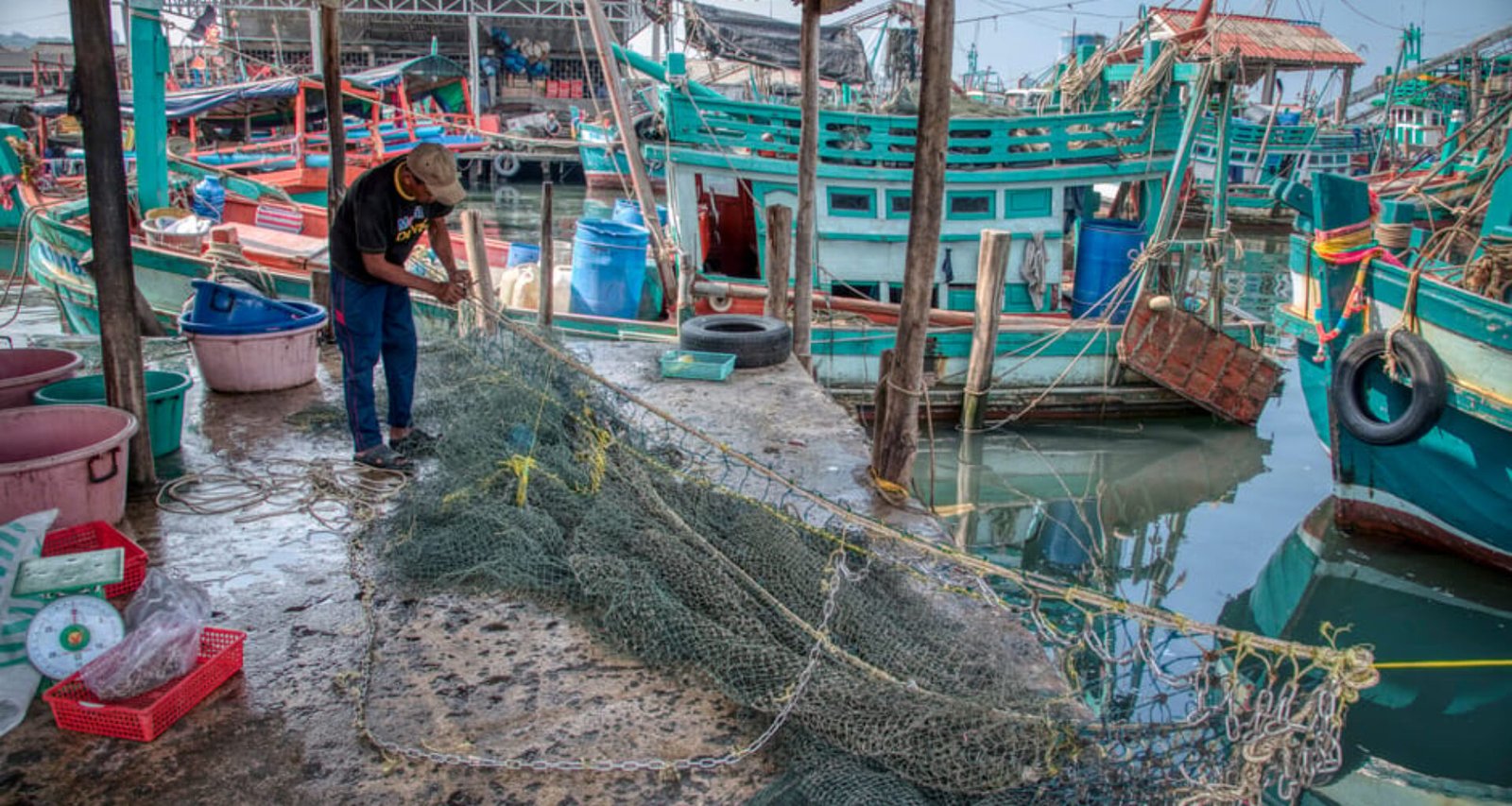
Early this Saturday morning in Songkhla province, Thailand, Jampen, a veteran fisherwoman, hauled up her Yo Yak—giant traditional lift nets—while her grandchildren played nearby. But the once-abundant Luk Bre fish, central to this lakeside community’s diet and economy, have grown scarce this spring.
Researchers from Prince of Songkla University spent the last two weeks working with local families to build floating fish shelters and use GIS mapping to track migration routes within Songkhla Lake. These interventions come as water pollution, driven by agricultural runoff and urban waste, has pushed fish populations to historic lows. The decline is now visible in the daily catch: according to the Songkhla Fisheries Association, average net yields are down 47% compared to numbers reported three years ago.
With school holidays starting this week, more young residents are participating in community workshops to learn about fish processing innovations—an effort to diversify incomes as traditional fishing wavers. Pilot projects launched earlier this month include solar-powered drying racks and new packaging cooperatives, aiming to add value and extend shelf life for local products.
The Thai government’s National Strategy for Wetlands, updated in February 2026, set a target of restoring 25% of Songkhla Lake’s degraded habitats by year-end. However, local NGOs stress that measurable progress remains limited. While funding for joint university-village projects has increased, villagers like Jampen remain skeptical, citing a lack of enforcement against polluters and slow-moving policy delivery.
As festival season returns to Songkhla this spring, the fate of the Yo Yak nets—and the culture they sustain—hangs in the balance. The next few months will test whether integrating local wisdom with scientific support can halt the decline and set a model for sustainable lake management across Southeast Asia.
Frequently Asked Questions
What are Yo Yak nets in Thailand?
Yo Yak are giant traditional lift nets used by fishers in Songkhla province, Thailand.
Why are fish populations declining in Songkhla Lake?
Fish populations in Songkhla Lake are declining due to water pollution from agricultural runoff and urban waste.
What is being done to help restore fish populations in Songkhla Lake?
Researchers and local families are building floating fish shelters, using GIS mapping to track fish migration, and piloting projects like solar-powered drying racks and packaging cooperatives.
How much have fish catches decreased in Songkhla Lake?
Average net yields are down 47% compared to numbers reported three years ago, according to the Songkhla Fisheries Association.
What goals has the Thai government set for Songkhla Lake restoration?
The National Strategy for Wetlands aims to restore 25% of Songkhla Lake’s degraded habitats by the end of 2026.