UN
UN 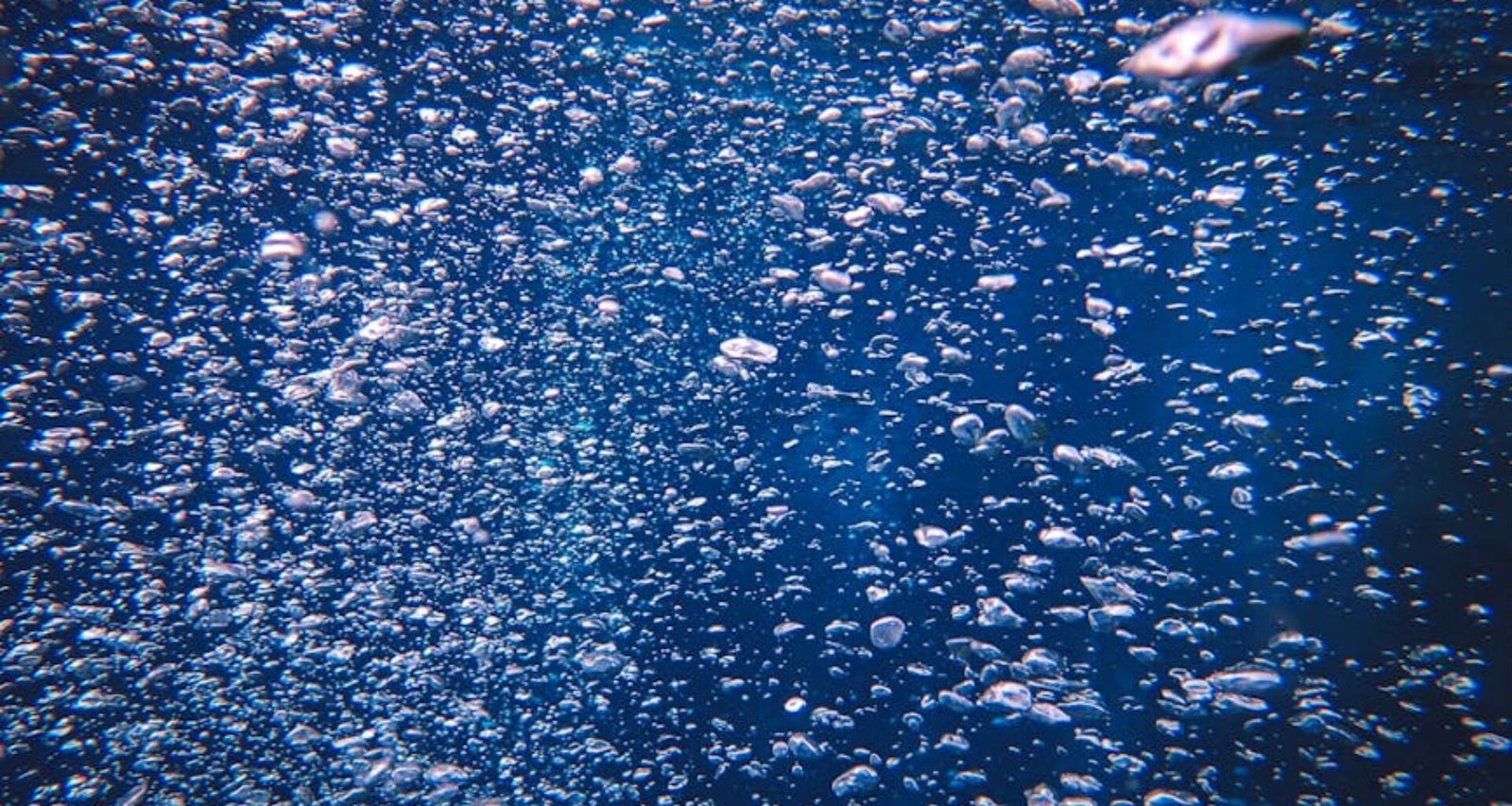
On the small islet of Formicula, located off Greece’s southern Peloponnese, a team of marine biologists has confirmed the existence of a concealed ‘bubble cave’ used by the critically endangered Mediterranean monk seal (Monachus monachus). The discovery, published this week, provides new insight into how the world’s rarest seal is adapting to increasing human activity along Mediterranean coastlines.
The cave, accessible only by submerged passages, features an interior air pocket that allows seals to breathe while hidden from view. Researchers from the Hellenic Society for the Study and Protection of the Monk Seal (MOm) documented the site after months of remote camera monitoring and underwater surveys. The team noted that seals used the chamber most frequently during periods of heightened tourist presence, particularly on late May weekends.
With fewer than 700 individuals estimated in the wild, the Mediterranean monk seal remains at the brink of extinction. Human disturbance, habitat loss, and illegal fishing have been persistent threats. According to the study, use of such secluded refuges may enhance the species’ survival—especially as tourist boat traffic intensifies in the Aegean and Ionian seas during the spring festival and summer high season.
The findings come as local policymakers in the Peloponnese consider expanding marine protected zones by 2027, aiming to meet EU biodiversity targets. However, conservationists stress that improved enforcement is essential; in the past three years, at least eight incidents of seal disturbance by recreational divers have been documented near Formicula alone.
As the region moves into peak tourist season, researchers are urging tour operators and local authorities to restrict access to sensitive islets and educate visitors. The next round of regional conservation policy review is scheduled for September 2026, with stakeholder input from both environmental groups and the tourism sector.
Frequently Asked Questions
What is the ‘bubble cave’ discovered off the Greek coast?
The ‘bubble cave’ is a concealed underwater cave on the islet of Formicula with an interior air pocket, used by Mediterranean monk seals as a hidden refuge.
Why do Mediterranean monk seals use the bubble cave?
Monk seals use the bubble cave to hide and breathe safely, especially during periods of increased human activity and tourist presence.
How many Mediterranean monk seals are left in the wild?
There are fewer than 700 Mediterranean monk seals estimated to remain in the wild.
What threats do Mediterranean monk seals face near Formicula?
The seals face threats from human disturbance, habitat loss, illegal fishing, and documented incidents of disturbance by recreational divers.
Are there plans to protect the monk seal’s habitat near Formicula?
Local policymakers are considering expanding marine protected zones by 2027, but conservationists emphasize that better enforcement is needed to protect the seals.