


 UN
UN 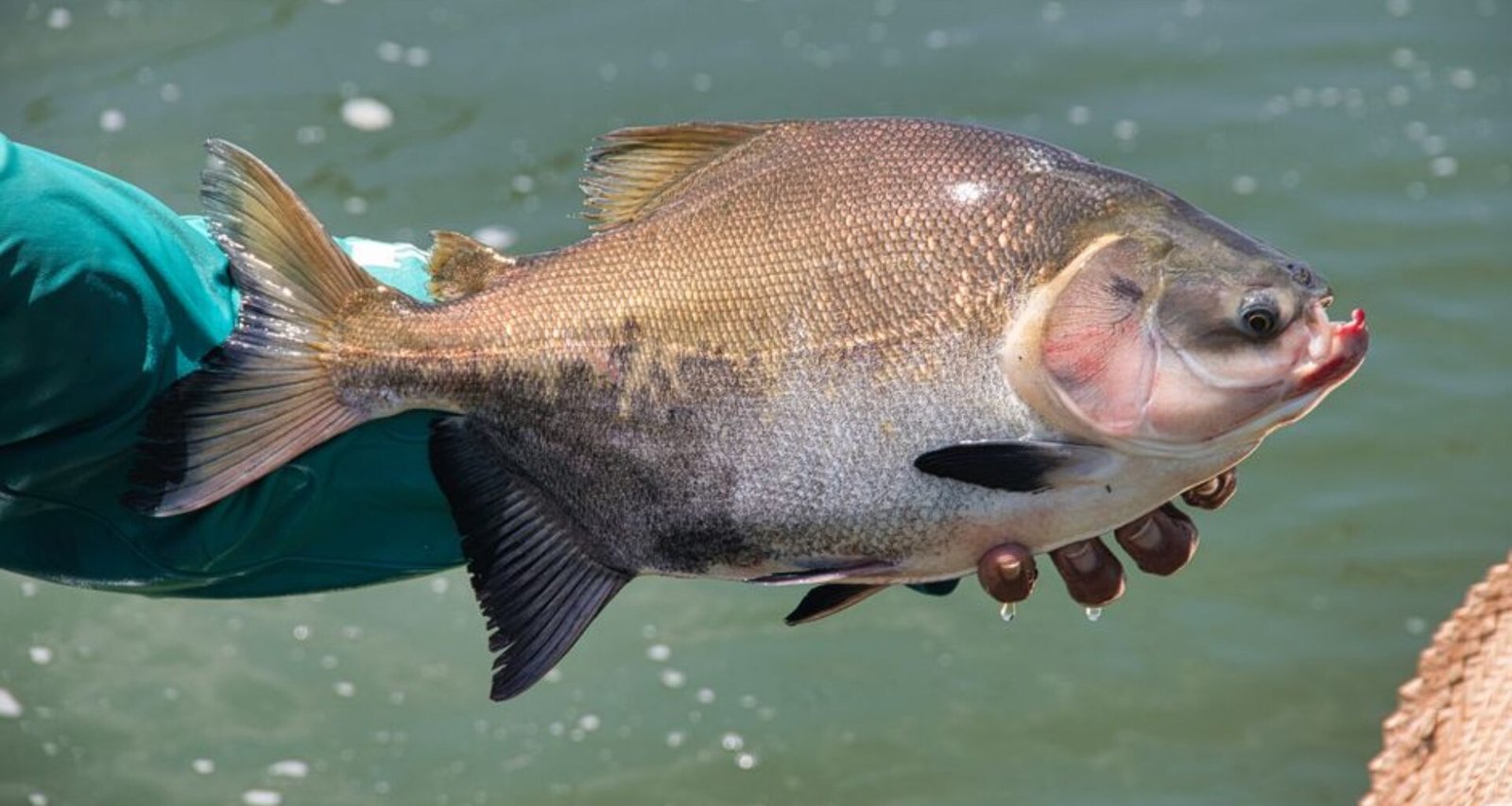
On Monday morning, along the muddy banks of the Rio Madeira near Porto Velho, dozens of Amazonian fishers gathered to discuss Brazil’s recent decision to classify the tambaqui—a staple of local diets and livelihoods—as a threatened species. The Ministry of the Environment’s July 2026 announcement has sparked widespread concern among artisanal fishing communities, who fear that outright bans could undermine their economic security while opening the door for large-scale aquaculture operations.
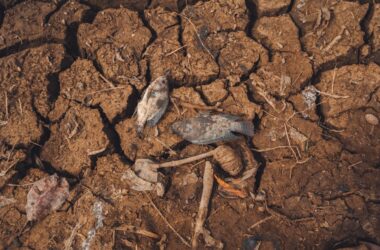
Tambaqui (Colossoma macropomum) is central to the Amazon basin’s food system, supplying protein to millions and supporting an estimated 20,000 small-scale fishers in Rondônia and Amazonas states alone. According to the latest data from IBAMA, tambaqui populations have declined by 34% over the past decade, primarily due to overfishing, dam construction, and altered flood regimes. With river levels at a seasonal low this July, fishers report smaller catches and rising market prices—last week at Manaus’ Mercado Adolpho Lisboa, tambaqui fillets sold for 68 reais per kilo, up 22% from the previous summer.
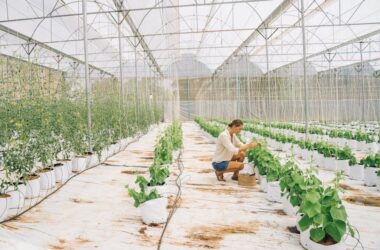
While the government’s threatened-species listing does not yet mandate a total fishing ban, local associations such as the Sindicato dos Pescadores de Rondônia warn that stricter quotas or moratoria could rapidly follow. “We support sustainable management, but blanket restrictions risk putting us out of work while industrial fish farms keep growing,” said union leader Maria de Souza on Tuesday. Large aquaculture companies, which produced over 130,000 tonnes of farmed tambaqui in Brazil last year, are seen by some as potential beneficiaries of tighter wild-catch rules.
The Ministry has pledged to consult with traditional communities before finalizing new regulations. However, many fishers remain skeptical, citing previous cases where policy shifts favored corporate interests. Local NGOs, including Instituto Socioambiental, are calling for participatory science and co-management strategies that blend traditional knowledge with data-driven stock assessments. As temperatures soar across the Amazon this July, both conservationists and rural families are watching closely for concrete policy proposals—expected to be tabled later this month.
With the fate of Brazil’s most iconic freshwater fish hanging in the balance, the challenge for policymakers is to achieve SDG 14 targets—conserving aquatic life—without sidelining the Amazon’s fishing communities. By the end of 2026, the effectiveness of Brazil’s approach could serve as a regional benchmark for balancing environmental and social goals.
Frequently Asked Questions
Why did Brazil list the tambaqui as a threatened species?
Brazil listed the tambaqui as a threatened species due to a 34% decline in its populations over the past decade, mainly from overfishing, dam construction, and altered flood regimes.
How will the threatened status of tambaqui affect Amazonian fishers?
Amazonian fishers fear that stricter regulations or potential bans could harm their livelihoods by limiting wild tambaqui catches, while benefiting large aquaculture companies.
How many people depend on wild tambaqui fishing in Brazil?
Over 20,000 small-scale fishers in Rondônia and Amazonas depend on wild tambaqui for their livelihoods.
How much tambaqui is produced by aquaculture in Brazil?
Farmed tambaqui production in Brazil exceeded 130,000 tonnes last year.
Are there immediate bans on tambaqui fishing after its threatened listing?
The threatened-species listing does not yet mandate a total fishing ban, but stricter quotas or moratoria could follow.