



 UN
UN
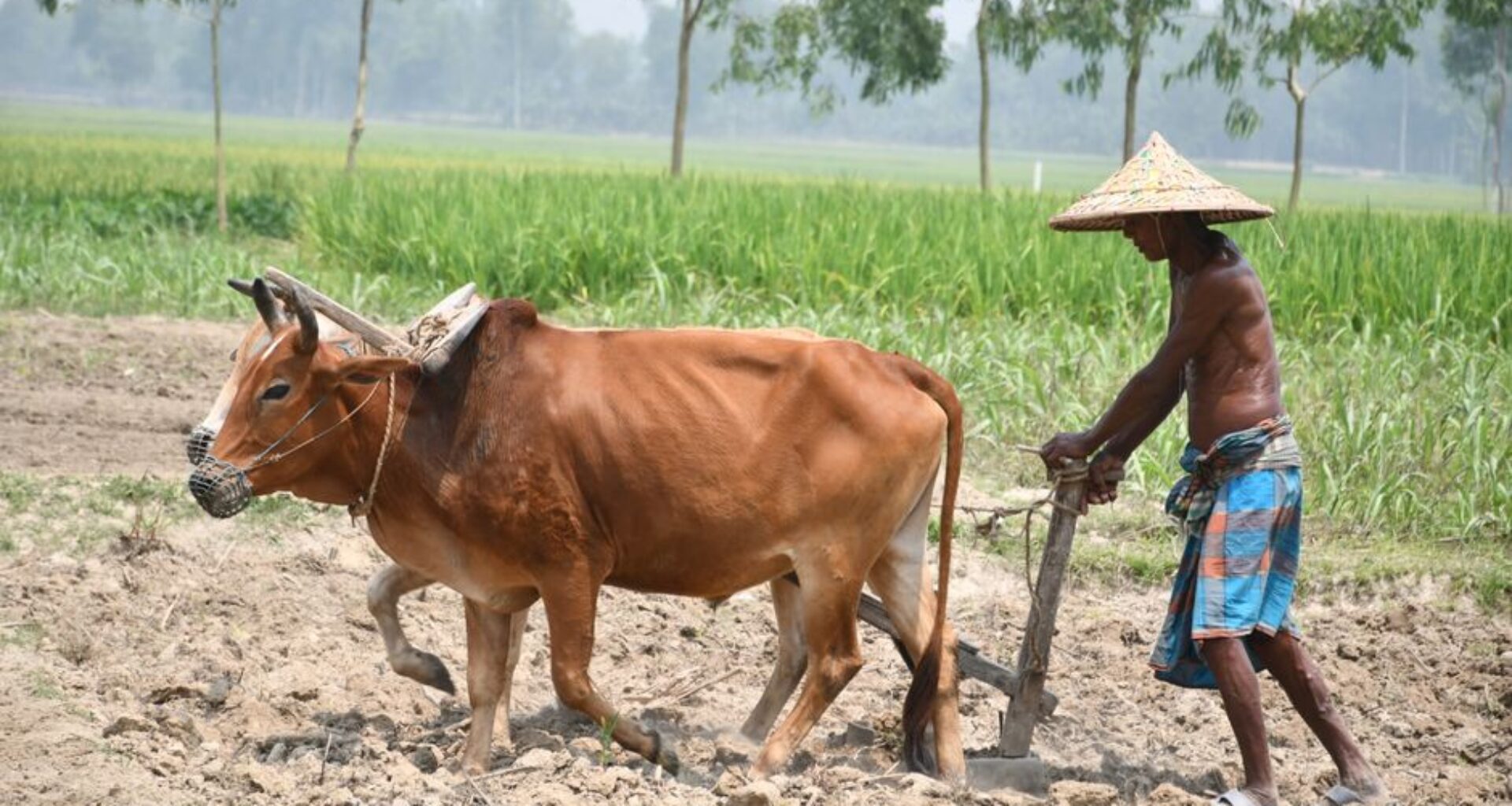

In the Chittagong Hill Tracts of southeastern Bangladesh, Indigenous communities are undergoing a significant transformation in agricultural practices. Traditionally reliant on jhum cultivation—a method of shifting agriculture involving the cyclical clearing and burning of forested land—farmers are increasingly adopting the machan system. This modern approach involves growing vegetables on elevated bamboo trellises, a method that conserves land and enhances productivity.
The shift is primarily driven by the growing scarcity of arable land and declining yields associated with the jhum method. Deforestation and population pressures have reduced the availability of new land for slash-and-burn farming, making sustainable alternatives necessary. The machan technique not only addresses these challenges but also offers year-round cultivation possibilities, supporting food security and income generation for Indigenous farmers.
Experts highlight that this transition aligns with multiple Sustainable Development Goals (SDGs), including SDG 2 (Zero Hunger), SDG 15 (Life on Land), and SDG 13 (Climate Action). By reducing the need for land clearance and minimizing soil degradation, the machan method contributes to preserving biodiversity and mitigating climate impacts. Also, the practice promotes sustainable livelihoods within vulnerable Indigenous populations.
While the adoption of machan farming presents promising environmental and economic benefits, challenges remain. Access to training, resources, and markets are critical to scaling this practice effectively. Government and non-governmental organizations are called upon to support Indigenous farmers through capacity-building initiatives and policy frameworks that encourage sustainable agriculture.
This evolution in farming methods exemplifies how traditional knowledge can be complemented with innovative solutions to address pressing environmental and social challenges. It underscores the importance of empowering Indigenous communities in the global pursuit of sustainable development.