UN
UN
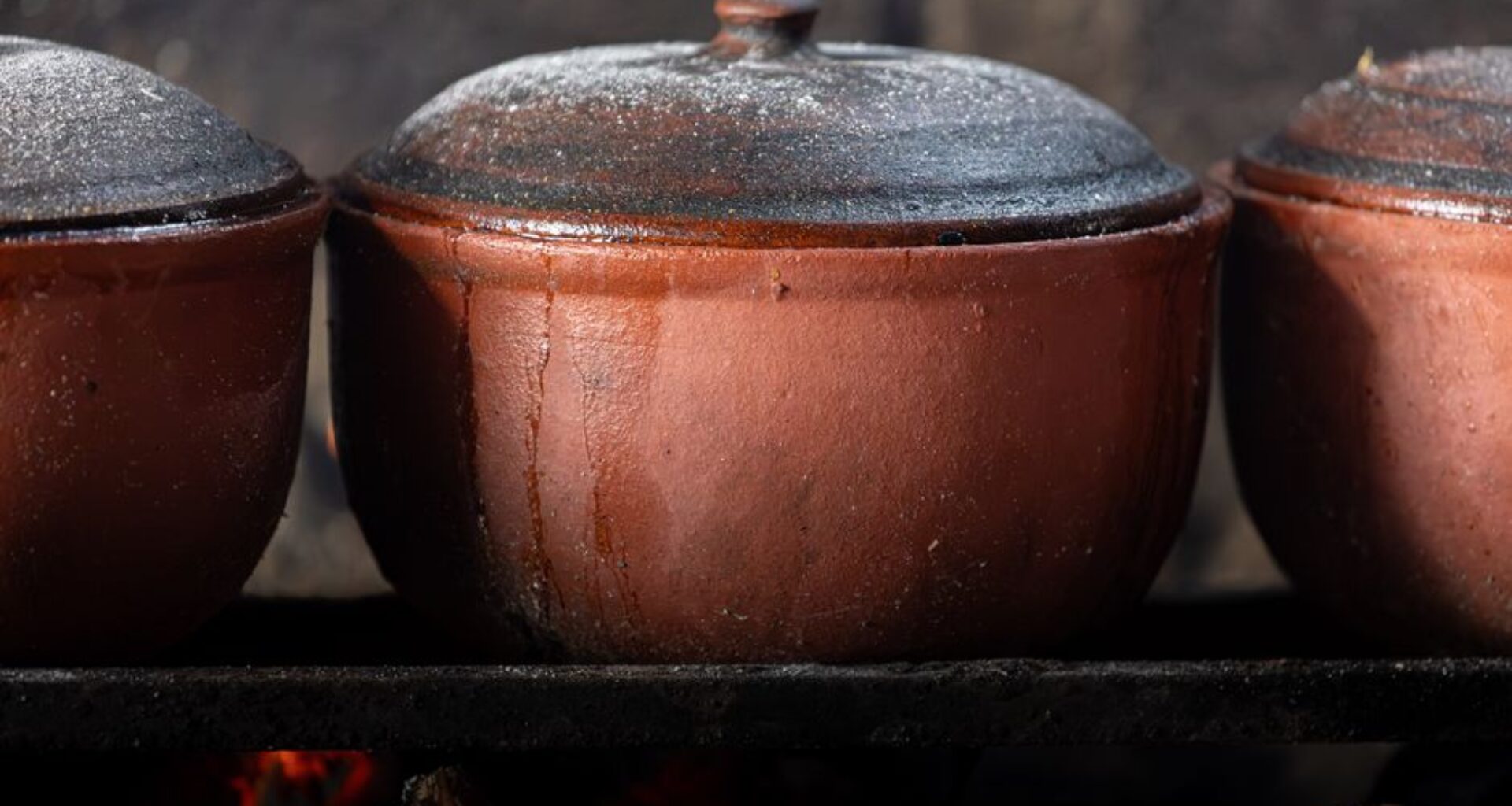

As summer temperatures soar and monsoon rains intensify in Nepal’s Terai plains, local farmers face mounting challenges in protecting their harvested grain from extreme heat, insect infestations, and flooding. However, in Dang district of western Nepal, a time-honored practice employing handmade earthen storage bins offers a resilient solution rooted in indigenous knowledge.
Chattrapati Yadav, a 70-year-old farmer from Dang, relies on these traditional clay pots to safeguard his grain throughout the vulnerable summer months. Passed down through generations, these bins are crafted from locally sourced earth and fired to create durable containers that naturally regulate temperature and moisture. This method has proven effective in preserving food quality without the need for costly modern technologies.
The use of earthen bins aligns with Sustainable Development Goal 2, which aims to end hunger and promote sustainable agriculture. By reducing post-harvest losses caused by pests and environmental stressors, such traditional storage techniques contribute to food security for rural communities. Experts emphasize that integrating indigenous practices with contemporary agriculture can enhance resilience against climate variability.
Climate scientists warn that Nepal’s plains will likely experience more frequent heatwaves and erratic rainfall patterns due to global warming, exacerbating risks to food storage and safety. In this context, community-based adaptation strategies like the use of earthen bins offer a low-cost, environmentally friendly approach that preserves cultural heritage while addressing emerging challenges.
While modern grain storage solutions exist, their accessibility and affordability remain limited for many smallholder farmers. Supporting the revival and dissemination of such ancestral knowledge through local agricultural extension services and policy frameworks could bolster sustainable livelihoods and contribute to broader climate adaptation efforts.
the story of Dang’s earthen bins underscores the value of traditional wisdom in building climate resilience and ensuring food security for vulnerable rural populations amid a changing environment.