



 UN
UN
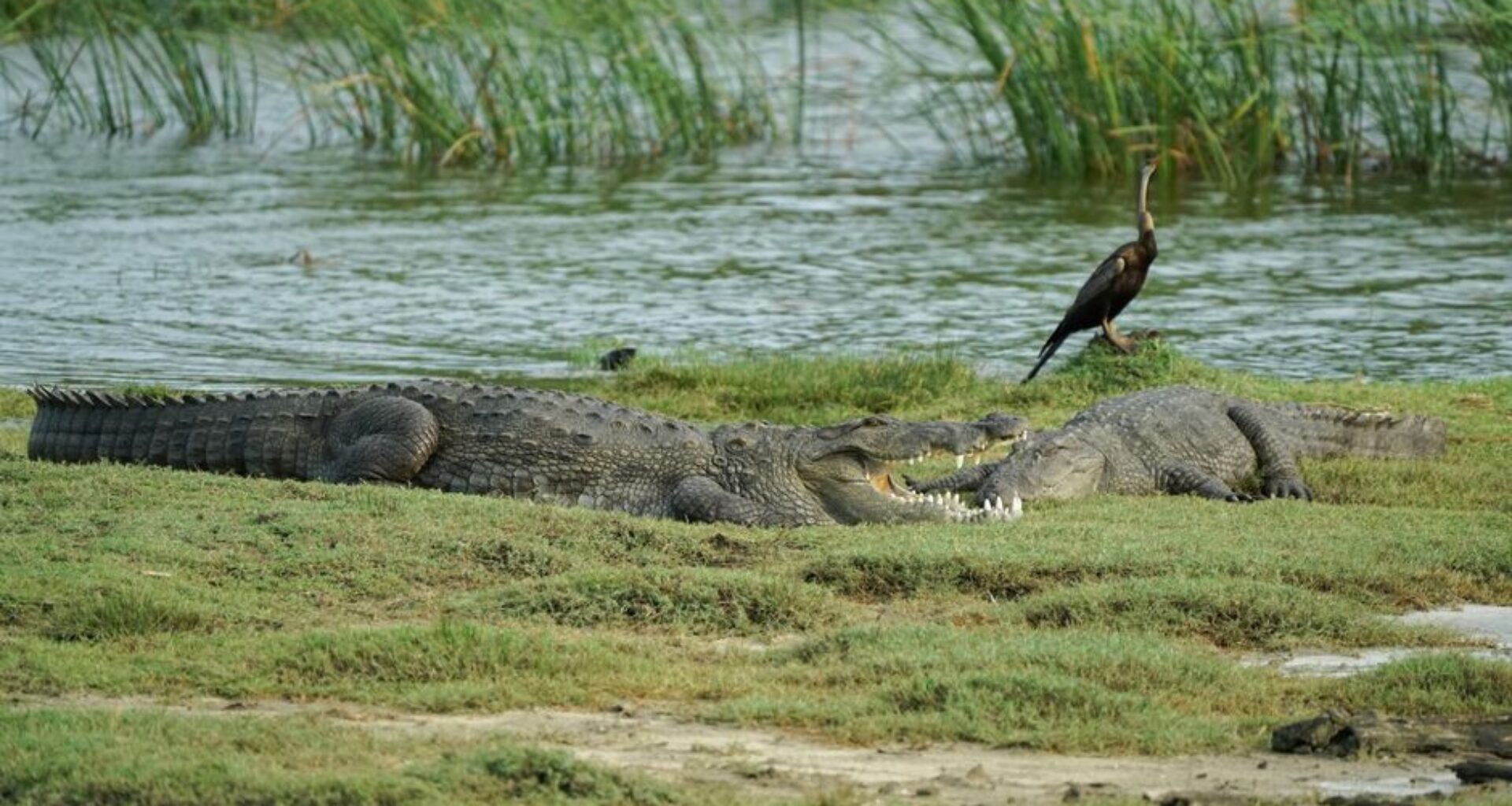
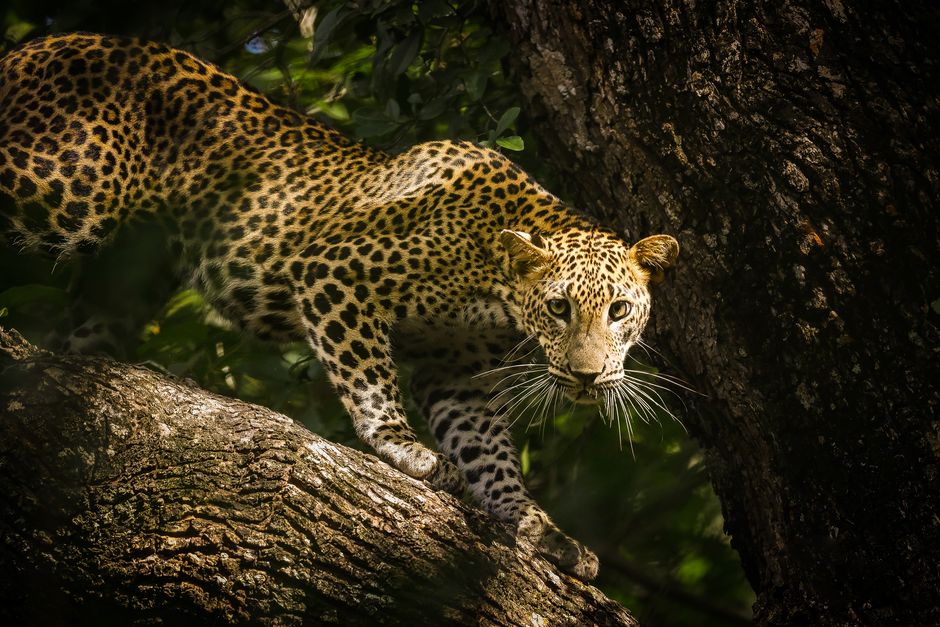
Yala National Park, Sri Lanka’s premier wildlife sanctuary renowned for its exceptionally high density of leopards, is confronting a growing conservation challenge driven by overtourism. Block I of the park, which reportedly hosts one of the highest leopard densities worldwide—approximately one leopard per square kilometer—is increasingly affected by the influx of safari vehicles, leading to habitat disturbances and heightened stress on its iconic big cats.
Conservationists and wildlife experts have raised alarms about overcrowding and reckless driving by safari jeeps within the park, which not only disrupts animal behavior but also increases the risk of accidents and habitat degradation. The surge in tourism, while economically beneficial, is creating a paradox where the very wildlife that attracts visitors is being threatened by their presence.
This situation underscores the broader tension between promoting economic growth through tourism and safeguarding biodiversity, a key concern aligned with Sustainable Development Goal 15 (Life on Land). Experts emphasize the urgent need for implementing stricter visitor regulations, controlling vehicle numbers, and enforcing speed limits to mitigate the impact on the leopards and other wildlife species.
Also, sustainable tourism models that prioritize environmental conservation alongside community benefits are critical. Local authorities and conservation groups are encouraged to collaborate on developing comprehensive management plans that balance ecological preservation with economic interests, ensuring long-term protection for Yala’s unique ecosystem.
The case of Yala National Park serves as a poignant reminder that sustainable practices are essential to preserve natural heritage. Without decisive action, the rich biodiversity that Sri Lanka is celebrated for may face irreversible decline, undermining both conservation goals and the livelihoods dependent on wildlife tourism.