

 UN
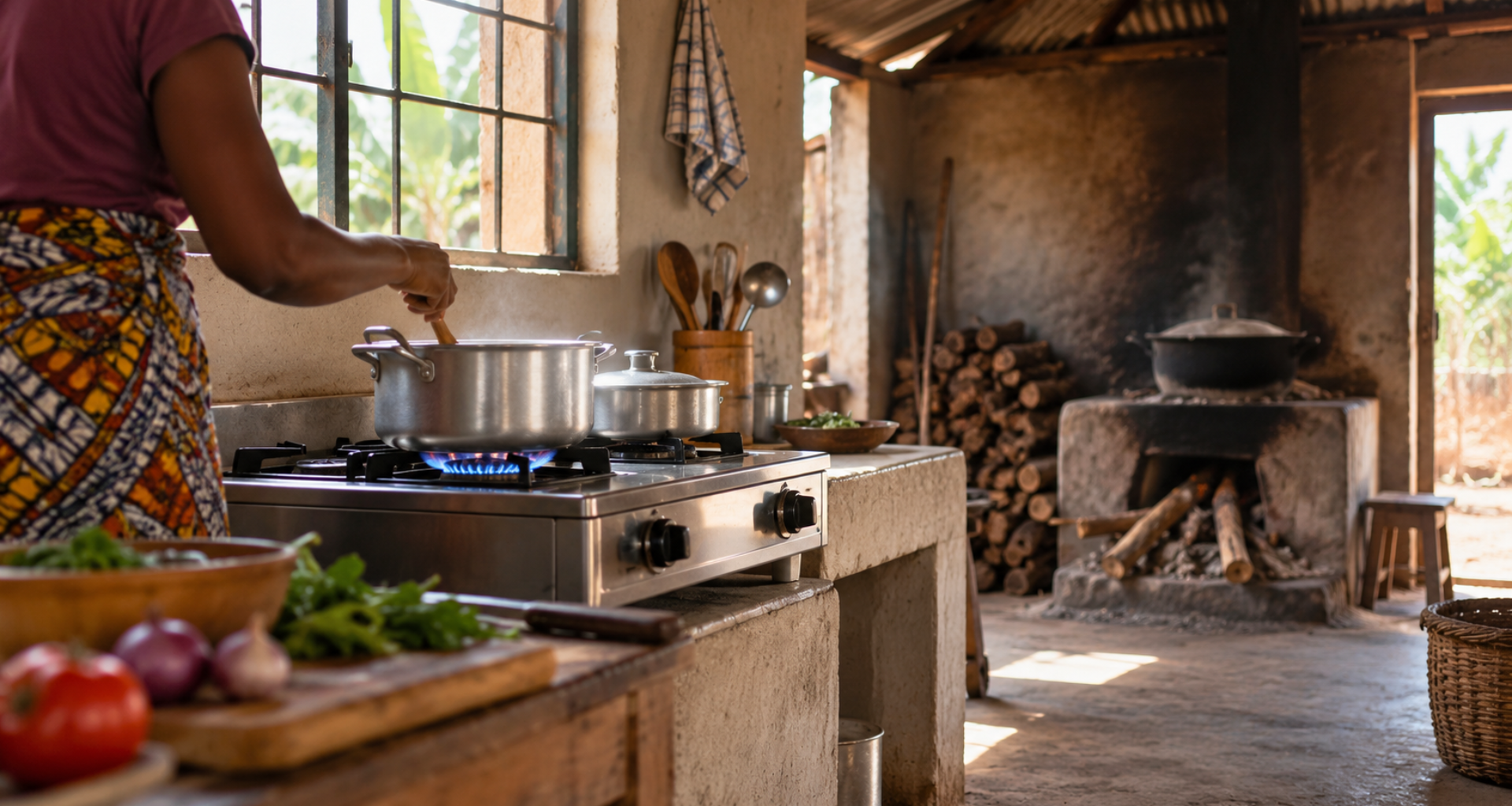
Clean cooking projects can seek credits under the Paris Agreement’s carbon market following the adoption of two household cooking methodologies, UNFCCC announced on 9 October 2026. The decision establishes a route for eligible projects; it does not mean that every project will receive credits.
Two methodologies define the route
According to UNFCCC, one methodology covers more efficient wood- and charcoal-burning cookstoves. The other supports a broader transition to cleaner household cooking. The rules set out project eligibility, the calculation and monitoring of emissions reductions, and checks required before credits can be issued.
This is the substantive change behind the announcement: a project needs to demonstrate that it meets the relevant requirements, rather than rely on a general claim that its technology is cleaner.
Account for reductions that may be reversed
The Article 6.4 Supervisory Body also adopted an initial tool for assessing reversal risk in clean cooking and other activities that reduce non-renewable biomass use. UNFCCC explains that the safeguard addresses emissions reductions that could subsequently be undone.
Questions for following an individual project
These are editorial questions for a follow-up interview, rather than findings about any named project:
- Which methodology does the project intend to use?
- What evidence will establish eligibility?
- How will reductions be measured and monitored?
- What checks remain before credits could be issued?
- How will the project address reversal risk?
A follow-up article should distinguish an application, a completed assessment and issued credits. If project-specific documentation is unavailable, report the framework and its requirements without predicting financial returns or a volume of credits.