



 UN
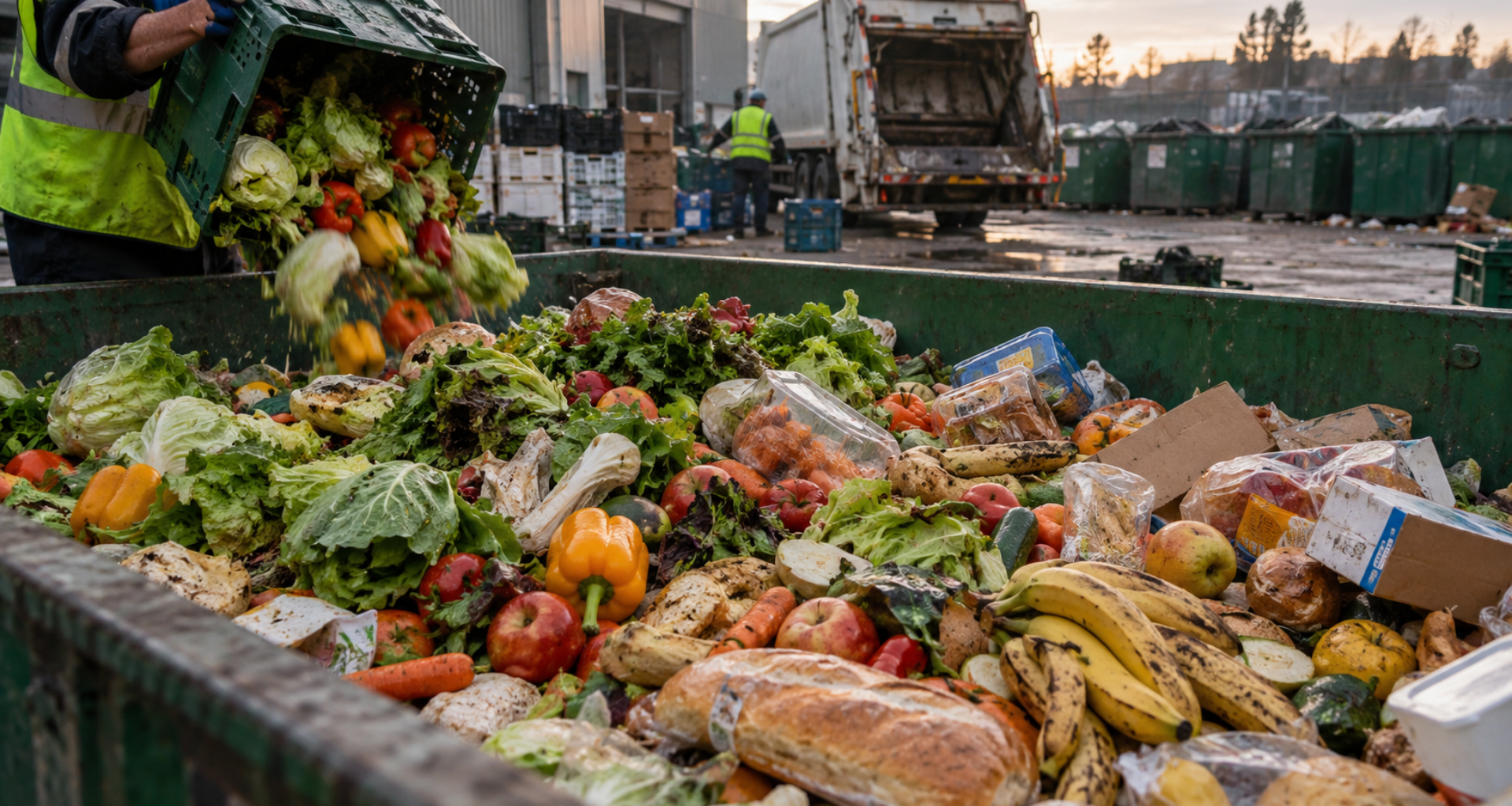
Food loss and waste account for an estimated 8–10% of annual global greenhouse gas emissions, according to UNEP’s 27 March 2024 announcement of the Food Waste Index Report 2024. This is a finding from a dated report, rather than a newly issued warning in October 2026.
Separate the data year from the publication year
The report estimates that retail, food service and households generated 1.05 billion tonnes of food waste in 2022, including inedible parts. Households accounted for 60% of that total. These figures describe a specific year and scope; they should not be presented as a measurement of waste in 2026.
The emissions estimate covers food loss and waste together. It should not be described as the share caused by household bins alone. Keeping these boundaries visible helps readers understand what each number measures.
Use the figures to ask better questions
For readers assessing a local waste-reduction programme, the following are editorial questions to take to the programme organiser:
- Does the baseline include edible food, inedible parts or both?
- Which households or businesses were measured, and in which year?
- Is the same method used when reporting a later change?
- Does a claimed emissions saving have its own evidence, separate from the global estimate?
Look beyond a general call for awareness
A useful follow-up story would identify a specific intervention, its measurement method and its results. Until those details are available, the global report provides context rather than proof that a local campaign has worked.



Comments 1