UN
UN
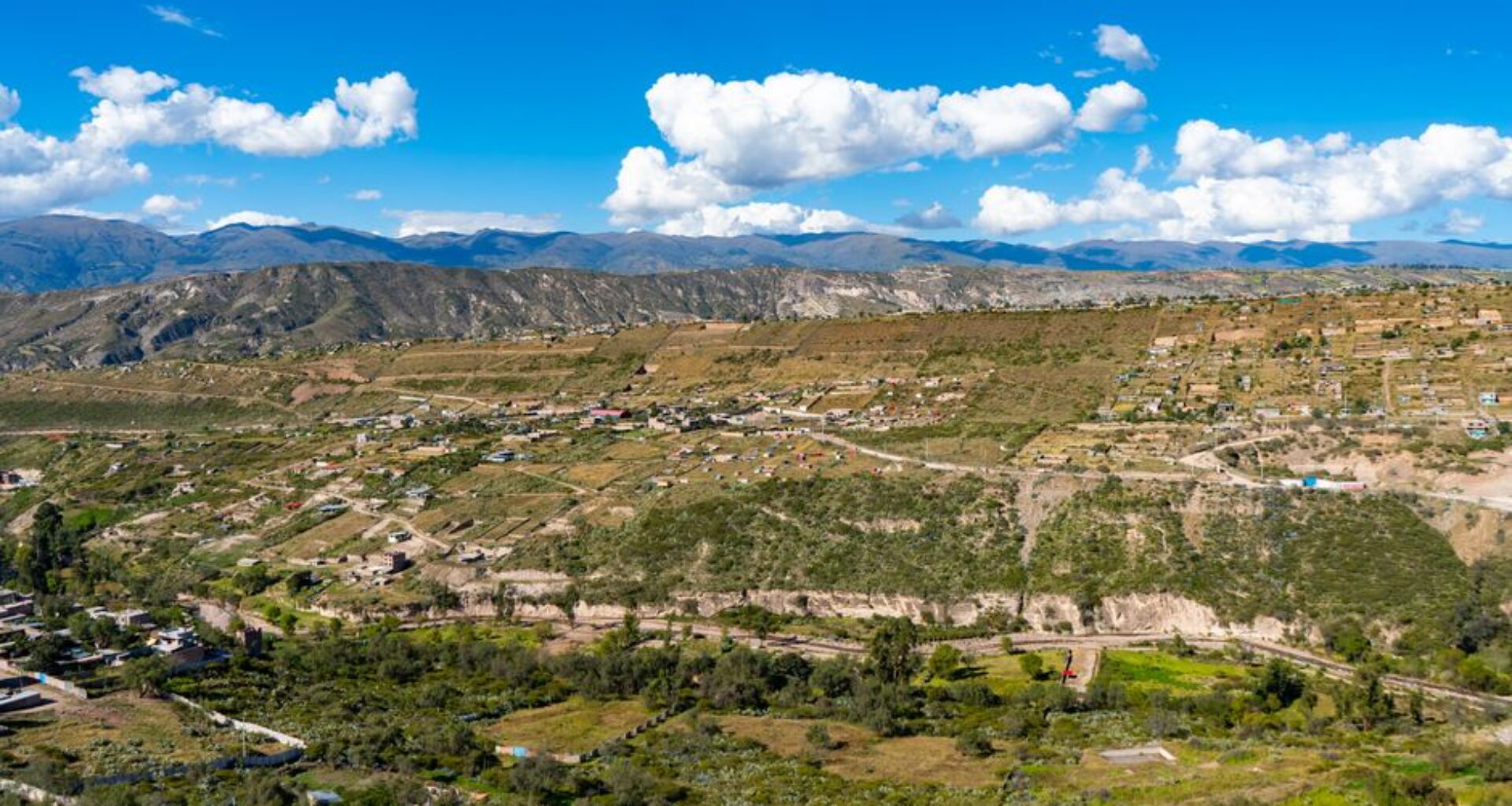
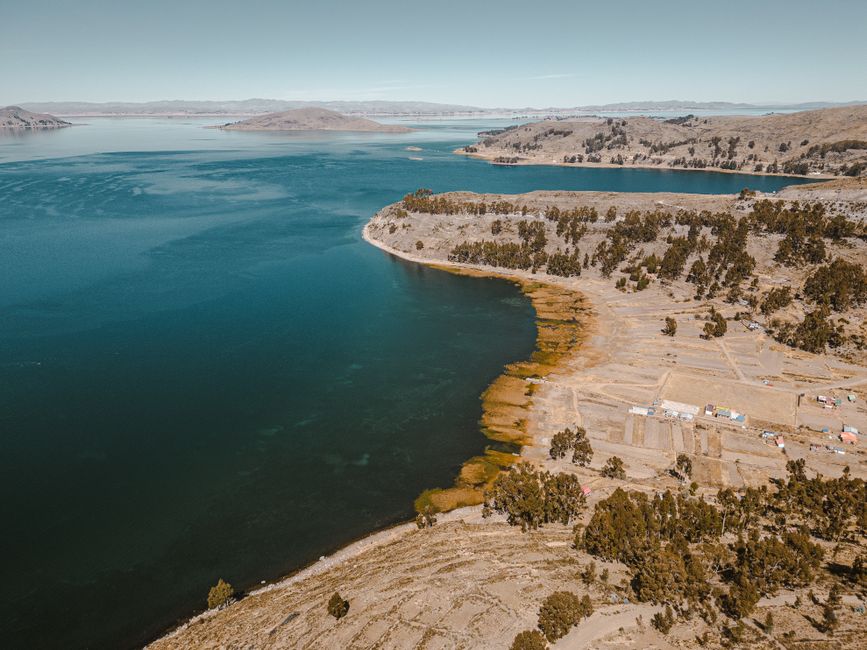
Bolivia’s recent land reform legislation, intended to empower smallholder farmers by expanding their economic opportunities, has ignited widespread concern among Indigenous and rural communities as well as civil society organizations. Passed in April 2026, the law allows farmers to reclassify their land to enable more diverse uses, including commercial agriculture. While the government argues this will improve livelihoods and stimulate rural development, critics warn the measure could inadvertently facilitate land grabbing and threaten the tenure security of vulnerable populations.
The reform aims to modernize land use classifications, ostensibly to support smallholders in accessing markets and formalizing their land rights. However, Indigenous groups and activists contend that the policy lacks sufficient safeguards against the encroachment of large-scale agribusiness interests. They caution that relaxed land classification rules might accelerate the consolidation of land by powerful actors, undermining the communal and traditional land tenure systems that many rural and Indigenous families depend on.
Protests have erupted across several Bolivian regions, with demonstrators demanding that the government reconsider the law’s provisions and strengthen protections for vulnerable landholders. Experts highlight that similar reforms in Latin America have, at times, led to increased eviction risks and social conflict, especially where legal frameworks do not adequately recognize customary land rights. The United Nations and international human rights organizations emphasize the importance of balancing economic development with the protection of Indigenous peoples’ rights, as outlined in SDG 1 (No Poverty), SDG 2 (Zero Hunger), and SDG 15 (Life on Land).
The Bolivian government maintains that the reform is a step toward integrating small-scale farmers into the formal economy and enhancing agricultural productivity. Yet, the controversy underscores the complex challenge of designing land policies that promote inclusive economic growth while respecting traditional land tenure systems and preventing dispossession. Moving forward, ensuring transparent consultation processes and implementing robust tenure security measures will be critical to aligning the reform with Bolivia’s sustainable development commitments.