


 UN
UN
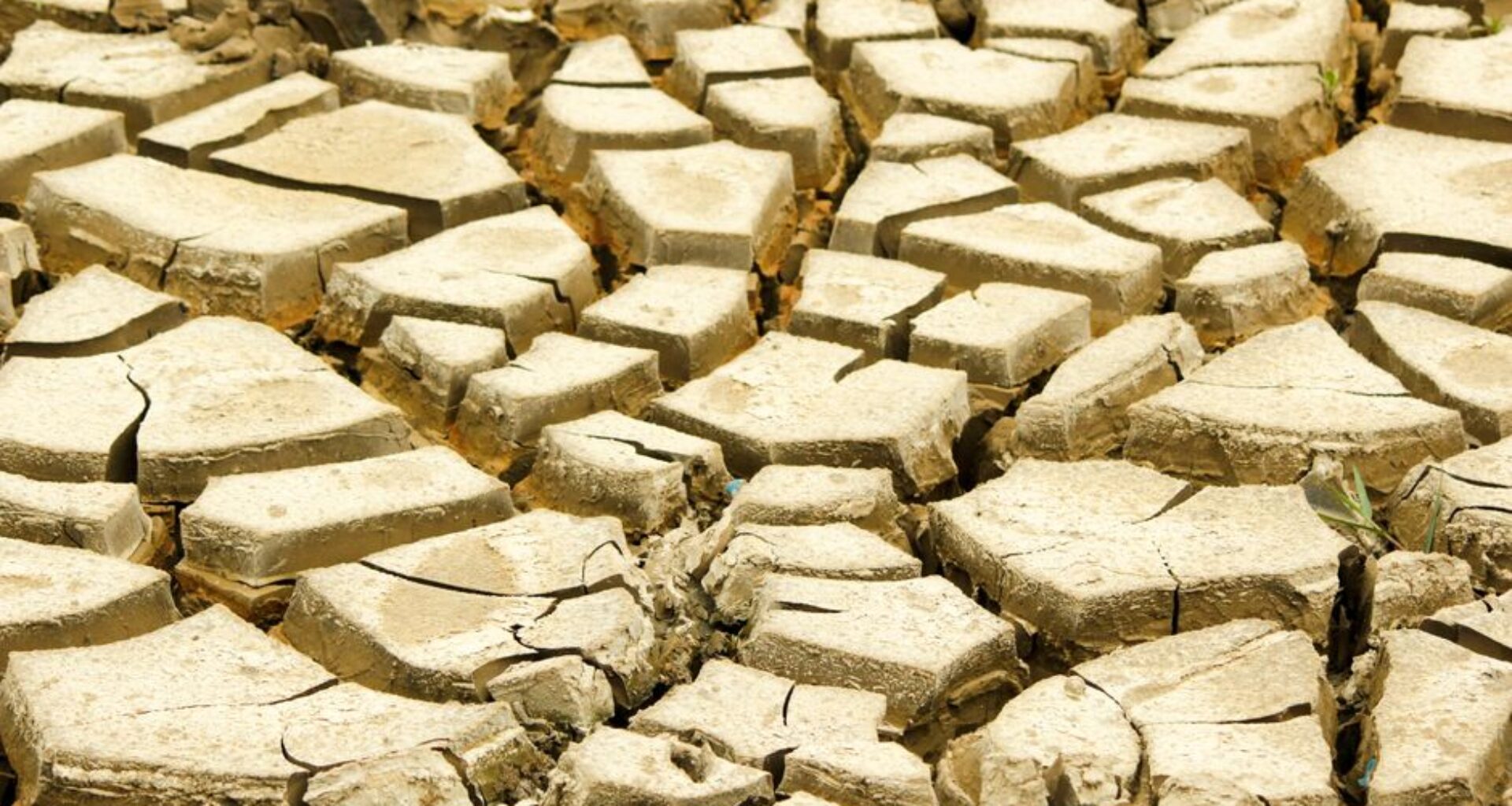
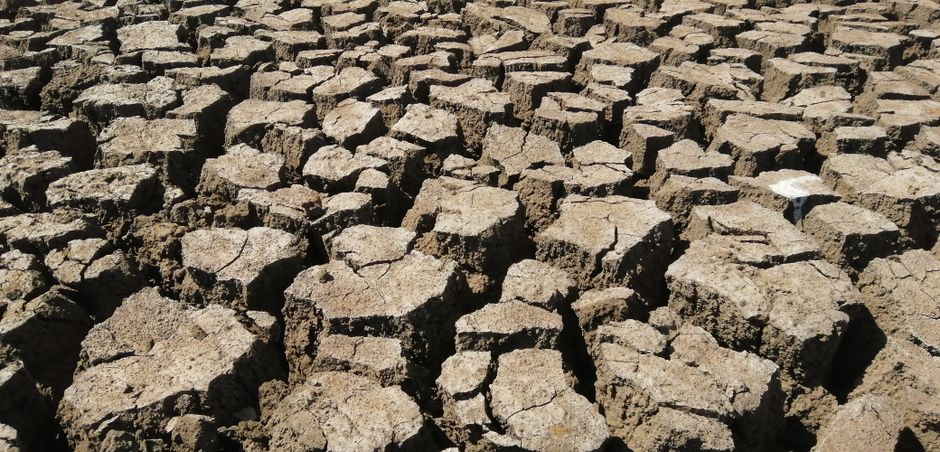
Emerging scientific research continues to underscore the complex relationship between climate change and global security, highlighting how extreme weather events can exacerbate the risk of armed conflict. A recent study published in the Proceedings of the National Academy of Sciences presents compelling evidence that climate shocks, particularly severe droughts crossing critical thresholds, significantly elevate the chance of violent conflict in already vulnerable areas.
The comprehensive analysis spans more than seven decades, from 1950 to 2023, and integrates detailed climate data with records of armed conflicts. Findings reveal that regions in Africa and Southeast Asia, where communities often depend heavily on agriculture and natural resources, are especially susceptible. Prolonged droughts in these areas can strain resources, disrupt livelihoods, and heighten tensions, creating fertile ground for conflict escalation.
Experts emphasize that while climate extremes alone do not cause wars, they act as a threat multiplier, intensifying existing social, economic, and political stresses. Dr. Lina Mbeki, a climate security specialist, notes, “This study reinforces the urgent need for integrated approaches that address climate resilience alongside peacebuilding efforts in vulnerable regions.”
This research aligns with the United Nations Sustainable Development Goals, particularly SDG 16 (Peace, Justice and Strong Institutions) and SDG 13 (Climate Action), highlighting the interconnected nature of environmental and security challenges. As climate change accelerates, policymakers and international stakeholders are called to prioritize adaptive strategies that reduce climate vulnerability while promoting stability and development.
The study’s findings serve as a critical reminder that tackling climate change is not only an environmental imperative but also a key component of global peace and security. Enhanced early warning systems, conflict-sensitive climate adaptation, and inclusive governance are essential to mitigating the risks posed by climate-induced shocks in fragile contexts.