UN
UN 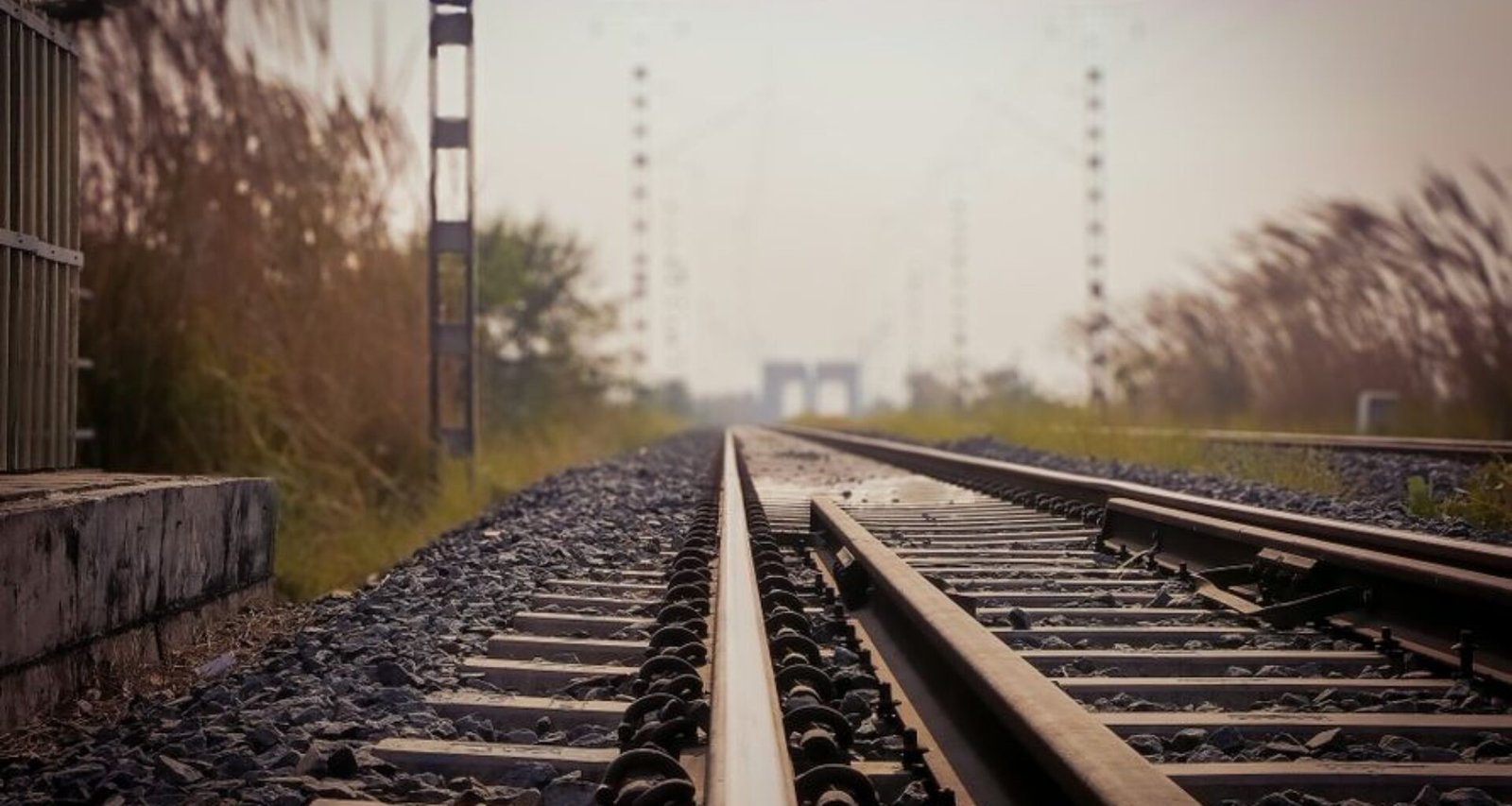
In Brasília this weekend, Brazilian Indigenous leaders raised urgent concerns before a United Nations conference, warning that the country’s ambitious energy transition risks replicating colonial patterns of land dispossession. The focal point: the Ferrovia de Integração do Centro-Oeste (Center-West Integration Railway), a high-profile infrastructure project intended to support the transport of critical minerals and biofuels.
The Xavante people, whose ancestral territory lies along the river they call Owawê, say the railway route threatens dozens of sacred sites—including ritual grounds, ancient villages, and cemeteries. The railway, which aims to move agricultural and energy commodities from Brazil’s interior to Atlantic ports, is a pillar of the country’s decarbonization strategy and regional economic growth plan for 2026 and beyond.
During a panel on sustainable infrastructure held on Friday evening, Xavante spokesperson Tau’ã Prepori emphasized that “climate solutions must not come at the expense of Indigenous rights or cultural survival.” He described escalating tensions in Mato Grosso state, where construction teams began preliminary works last month, citing insufficient consultation and inadequate environmental assessments.
The railway is backed by the federal Ministry of Infrastructure and private consortium VLI Logística, with projected investments topping $4 billion USD. While the government touts the project’s potential to reduce road emissions and lower logistics costs by up to 30% by 2026, Indigenous advocates question the claimed sustainability, highlighting that the Environmental Impact Study omitted several Xavante ceremonial sites.
UN delegates from the Permanent Forum on Indigenous Issues called for an immediate suspension of works until free, prior, and informed consent is documented and alternative routes assessed. As temperatures soar across central Brazil this August, the debate spotlights the trade-offs embedded in large-scale climate infrastructure—and the risk of repeating old injustices under a new decarbonization agenda.
Frequently Asked Questions
What is the Center-West Integration Railway in Brazil?
The Center-West Integration Railway (Ferrovia de Integração do Centro-Oeste) is a $4 billion USD infrastructure project aimed at transporting critical minerals and biofuels from Brazil’s interior to Atlantic ports, supporting the country’s decarbonization and economic growth plans.
Why are Indigenous leaders protesting the Center-West Railway?
Indigenous leaders, particularly from the Xavante people, are protesting because the railway threatens dozens of sacred sites along the Owawê river and was initiated without sufficient Indigenous consultation or comprehensive environmental assessments.
What are the main concerns of the Xavante people regarding the railway?
The Xavante people are concerned that the railway route endangers sacred ritual grounds, ancient villages, and cemeteries, and that the Environmental Impact Study omitted several ceremonial sites.
What actions did UN delegates call for regarding the railway project?
UN delegates called for an immediate suspension of construction works until free, prior, and informed consent from Indigenous communities is obtained and alternative routes are assessed.
Who is backing the Center-West Integration Railway project?
The project is backed by Brazil’s federal Ministry of Infrastructure and the private consortium VLI Logística.