




 UN
UN 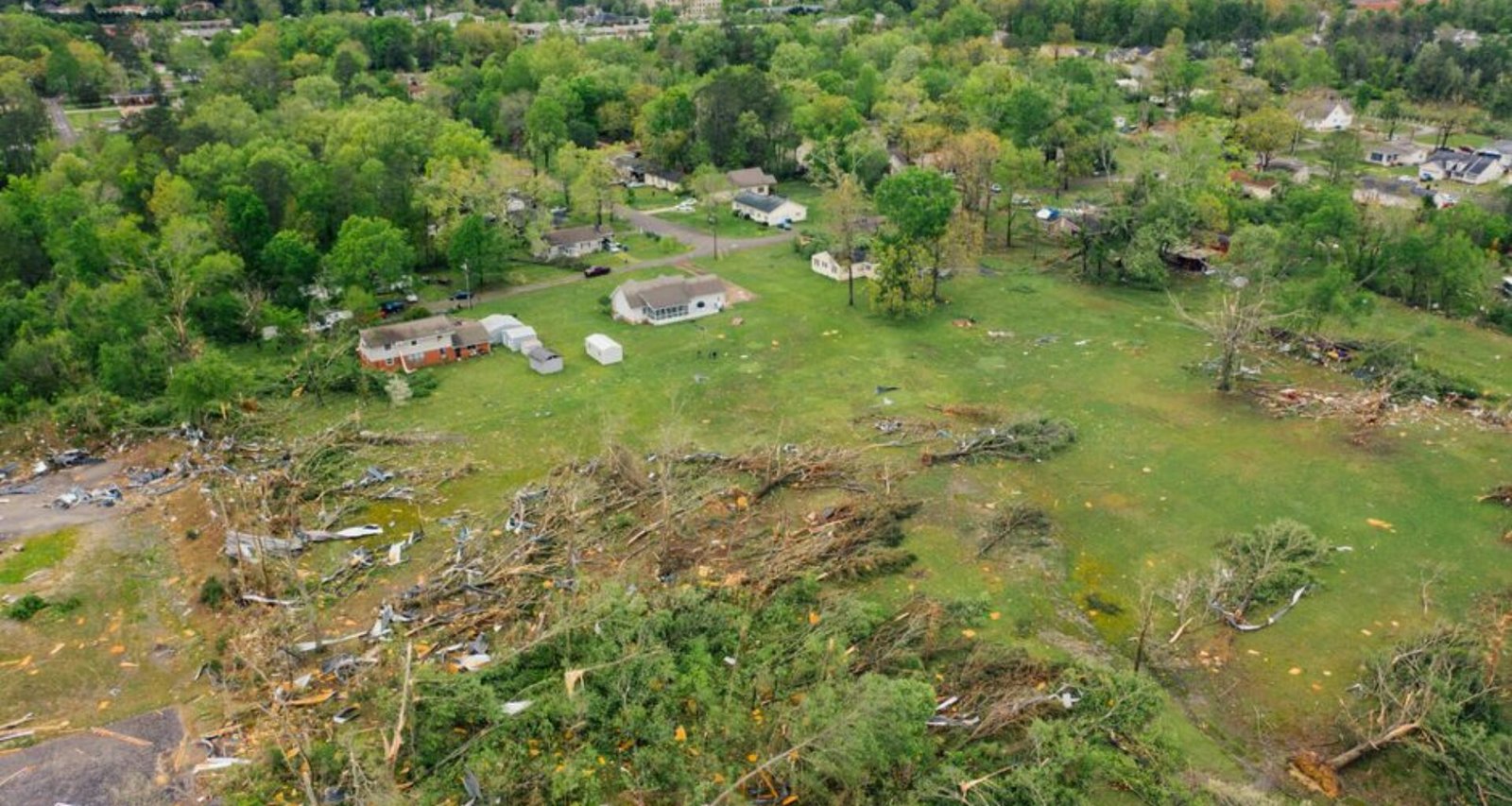
Late Friday night, as crowds spilled onto the patios of Short North in Columbus, mobile phones across central Ohio erupted with a series of urgent tornado warnings. The National Weather Service issued six separate alerts within a four-hour window, marking the highest single-day warning count for Ohio since statewide tracking began. Emergency sirens wailed over neighborhoods from Dayton to Newark, sending residents scrambling for basement shelters amid an unseasonable stretch of severe weather.
This spike in tornado warnings comes at a time when Ohio’s cities are already grappling with record-breaking summer heat and stretched municipal budgets. According to the Ohio Emergency Management Agency, there have been 19 tornado warning activations since June 1—double the seasonal average for the region. These warnings are not only a symptom of shifting weather patterns but also a test of the state’s disaster preparedness protocols, which have faced criticism for outdated infrastructure and communication gaps in lower-income neighborhoods.
In Cleveland’s Collinwood district, block club president Marsha Timmons described the night as ‘chaotic and confusing,’ with power outages compounding the anxiety. ‘Our text alerts came late, and a lot of seniors didn’t know what was happening until the wind was already knocking down trees,’ Timmons said on Saturday morning. Local advocacy groups, including the Ohio Climate Justice Fund, have raised concerns that the current warning systems do not reach the most vulnerable residents—particularly those without reliable internet or English proficiency.
Industry leaders in insurance and construction are monitoring the situation closely. Ohio’s property insurers reported a 27% increase in severe weather claims so far this summer, with tornado-related damages accounting for nearly $45 million. Representatives from the Ohio Contractors Association warn that rapid rebuilding is hampered by labor shortages and a lack of climate-resilient materials, raising questions about how the construction sector will adapt if severe weather episodes become the new normal.
State officials point to the recently updated Ohio Severe Weather Action Plan, which was rolled out in March and includes a $12 million allocation for upgrading warning sirens and expanding outreach in rural areas. However, experts consulted by SDG Talking note that the plan’s implementation is still in early stages, with most upgrades not scheduled for completion until late this year. ‘We’re seeing a lot of strong language about equity and resilience, but the concrete improvements—like new sensors and multilingual alerts—aren’t reaching neighborhoods fast enough,’ one policy researcher close to the process commented.
Historically, Ohio has sat on the eastern edge of the American ‘Tornado Alley,’ with most severe storms concentrated in the western and southern counties. The past decade, however, has brought a northward shift in tornado tracks, placing densely populated metro areas at greater risk. Last summer’s EF2 tornado in Toledo, which caused $19 million in damages and displaced over 200 families, is still fresh in local memory and has amplified calls for sustainable urban planning and stronger building codes.
Municipal leaders in cities like Cincinnati and Akron have begun piloting community-led disaster response workshops, aiming to bridge the gaps exposed by this summer’s storms. These initiatives focus on neighborhood-level preparedness, from distributing weather radios to organizing rapid-response volunteer teams, but their reach remains limited without sustained funding. Meanwhile, environmental groups are pressing for a clearer link between Ohio’s disaster readiness efforts and its broader climate mitigation strategy, arguing that adaptation cannot be separated from emissions reduction goals.
Looking ahead to the remainder of the summer and into hurricane season, the Ohio Department of Natural Resources is preparing to release a new climate vulnerability assessment. The report, expected later this month, will provide the first comprehensive mapping of tornado risk by neighborhood, factoring in social vulnerability indices. Observers in the state legislature are watching closely to see whether this data will drive more targeted investments in both technology and community resilience, or if it will become another policy document without teeth.
As Ohioans contend with another weekend of volatile weather, the disconnect between disaster warnings and real-world preparedness is more visible than ever. Whether the surge in alerts leads to lasting policy shifts—or fades with the cooling winds of September—remains an open question for both public officials and the communities most at risk.
Frequently Asked Questions
Why has Ohio experienced a surge in tornado warnings this summer?
Ohio has seen an unprecedented increase in tornado warnings, with 19 activations since June 1—double the seasonal average—due to shifting weather patterns and more frequent severe storms.
How much have tornado-related insurance claims increased in Ohio this summer?
Tornado-related insurance claims in Ohio have reached nearly $45 million so far this summer, representing a 27% increase compared to previous periods.
What are the main challenges with Ohio’s current tornado warning systems?
Ohio’s warning systems face criticism for outdated infrastructure, communication gaps in lower-income neighborhoods, and insufficient outreach to residents without reliable internet or English proficiency.
What steps is Ohio taking to improve disaster preparedness for severe weather?
Ohio rolled out the Severe Weather Action Plan in March with a $12 million budget to upgrade warning sirens and expand outreach, but most improvements are not expected until late this year.
How are vulnerable communities in Ohio affected by the recent tornado surge?
Vulnerable communities, especially those with seniors and non-English speakers, have experienced delayed alerts and power outages, increasing their risk during tornado events.