


 UN
UN 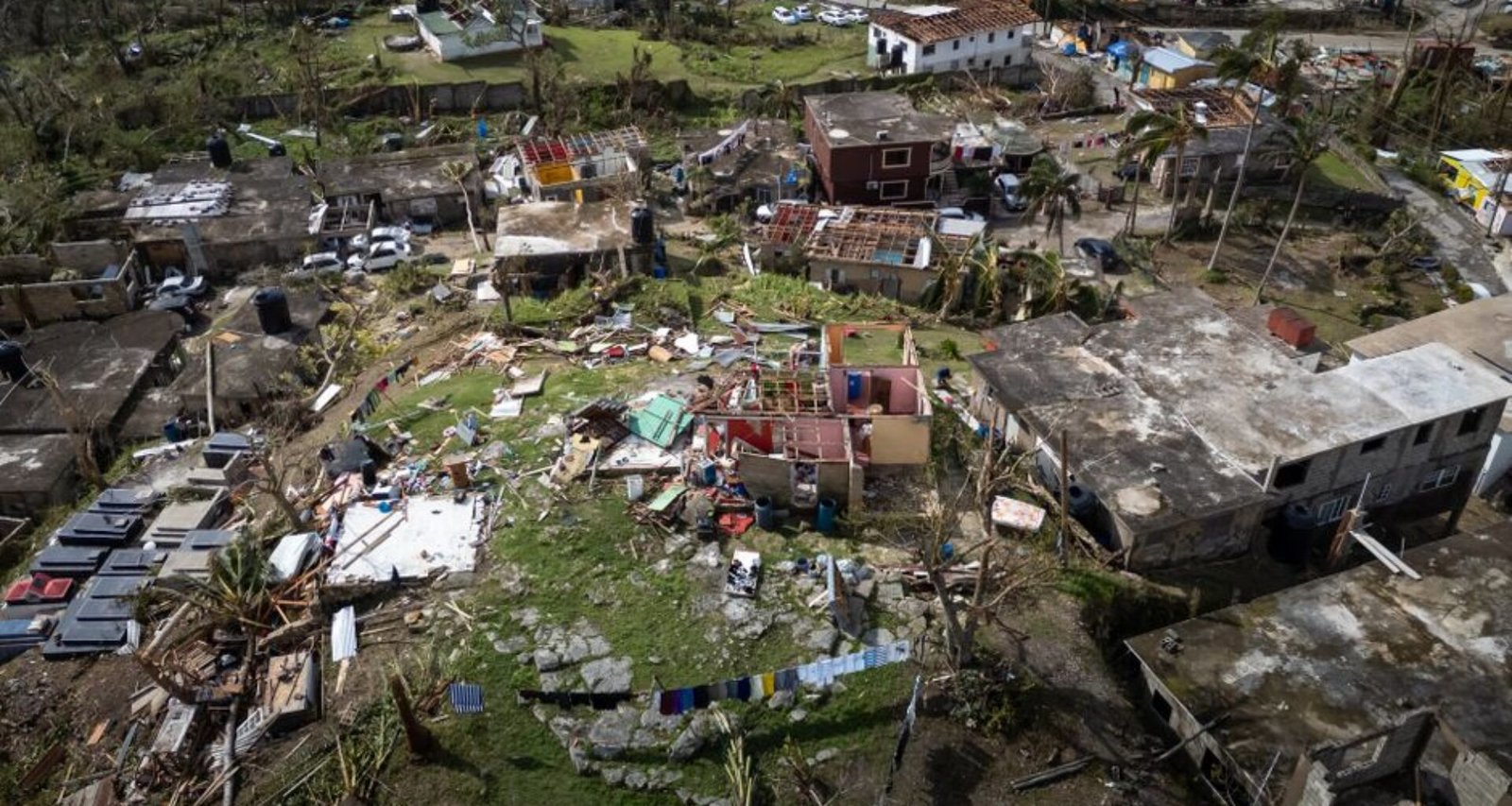
Saturday morning on Oahu’s southern coast, cleanup crews in Waikīkī navigated flooded intersections and toppled palm trees, remnants of Hurricane Fausto’s landfall earlier this week. The storm, which made headlines for its rapid intensification and erratic track, forced thousands into emergency shelters and left entire neighborhoods in Hilo and Lahaina without power for over 48 hours. State emergency officials reported preliminary damages exceeding $750 million, with over 20 percent of small businesses in Maui County sustaining structural losses.
Meteorologists at the Pacific Disaster Center emphasized that Fausto’s trajectory—unusual for July—aligns with this season’s warmer ocean temperatures, a known accelerator for tropical cyclone formation. “This storm’s intensity is a direct signal of the shifting baseline,” one senior analyst said, referencing surface water temperatures off Hawaii’s coast that measured a record 29.3°C last weekend. The National Weather Service noted that this is the third Category 3 hurricane to affect the state since June, a frequency not previously recorded in the archipelago’s storm history.
For Hawaii’s crucial tourism sector, the timing couldn’t be worse. With peak summer arrivals, hotel occupancy in Honolulu dropped 18 percent this week compared to the same period last month, according to the Hawaii Tourism Authority. Several resorts in Kona have announced closures for repairs, while local tour operators face canceled bookings and uncertain insurance claims. Industry leaders are calling for an accelerated review of coastal infrastructure resilience and business continuity protocols, warning that “recovery is not just about rebuilding, but future-proofing,” as stated by the Hawaii Lodging and Tourism Association’s vice president.
In the densely populated neighborhood of Kalihi in Honolulu, community organizers spent Friday distributing bottled water and solar-powered chargers to residents still awaiting utility restoration. “We’ve seen families sleeping in cars and outdoor parks because their homes are uninhabitable,” said a volunteer at Kalihi Valley Instructional Center. Local NGOs have criticized the slow pace of FEMA’s initial response, citing a need for more robust pre-disaster planning for vulnerable urban districts.
Agriculture suffered a major blow on the Big Island, where papaya and coffee growers estimate crop losses at nearly 30 percent after wind-driven saltwater inundated fields. The Hawaii Department of Agriculture is fast-tracking emergency relief applications, but farmers are raising alarms about future viability. One unnamed agronomist at the University of Hawaii pointed to an urgent need for investment in windbreaks and climate-adaptive crops, noting that “traditional planting calendars no longer apply when storms arrive this early and with this strength.”
Hurricane Fausto has also reignited debate over the state’s progress on its Climate Resilience Action Plan, originally targeting net-zero emissions by 2045. Environmental advocacy groups, including the Hawaii Green Growth coalition, argue that the current pace of renewable energy transition—only 41 percent of grid power comes from renewables as of July—falls short of what’s necessary to address compounding climate risks. Legislative leaders have promised to introduce stricter building codes and accelerate solar permitting later this session, but critics point to a gap between policy pledges and on-the-ground adaptation.
Experts from the University of Hawaii’s Sea Grant Program warn that without comprehensive coastal retreat strategies, both public and private assets remain exposed. “The reality is, every time a storm like Fausto hits, we see more expensive repairs and higher insurance premiums, but little systemic change,” one researcher noted. Insurance underwriters are already signaling premium hikes island-wide, with some carriers reviewing their risk models for high-value beachfront properties.
As Saturday’s street markets reopen in downtown Honolulu, the mood among residents is a mix of relief and anxiety. While the immediate emergency is passing, the scars of Fausto’s impact—on infrastructure, economy, and public trust—are expected to shape Hawaii’s policy agenda for the remainder of 2026. The coming weeks will be a critical test of government and industry’s ability to deliver not just recovery, but measurable progress toward a more climate-resilient future.
Frequently Asked Questions
How much damage did Hurricane Fausto cause in Hawaii?
Preliminary damages from Hurricane Fausto exceed $750 million.
How did Hurricane Fausto affect small businesses in Maui County?
Over 20% of small businesses in Maui County sustained structural losses due to Hurricane Fausto.
What was the impact of Hurricane Fausto on Hawaii’s tourism industry?
Hotel occupancy in Honolulu dropped 18% this week compared to the same period last month, and several resorts in Kona closed for repairs.
How did Hurricane Fausto affect agriculture on the Big Island?
Papaya and coffee growers on the Big Island estimate crop losses at nearly 30% from wind-driven saltwater inundation.
What role did ocean temperatures play in Hurricane Fausto’s intensity?
Surface water temperatures off Hawaii’s coast reached a record 29.3°C, fueling the storm’s intensity.