UN
UN 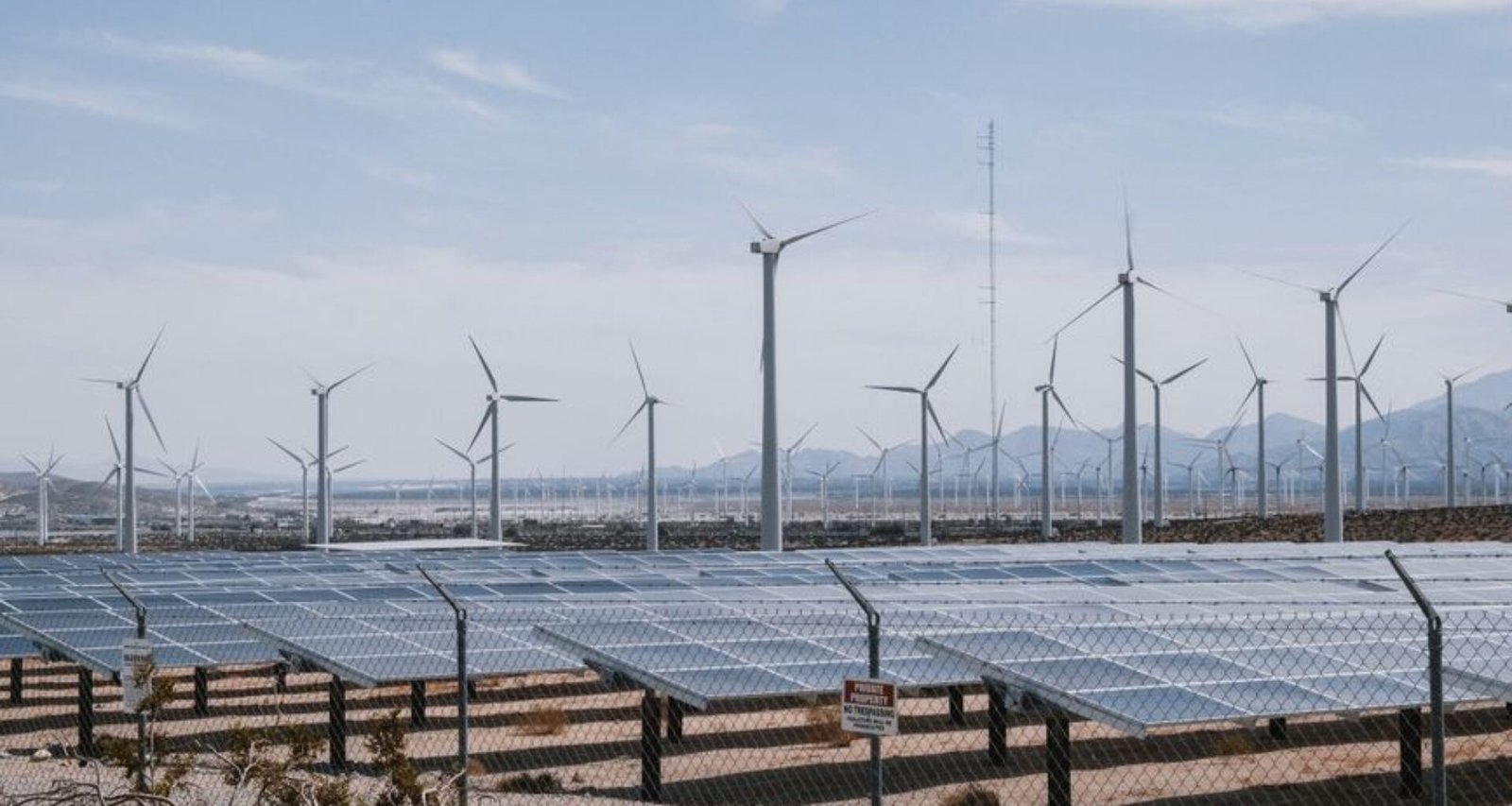
China’s carbon emissions edged upward in the first quarter of 2026, despite the country commissioning a record volume of wind and solar capacity. On Wednesday, energy analysts in Beijing pointed to grid congestion as a key reason: more than 12% of generated renewable electricity was curtailed in Inner Mongolia and Xinjiang during April, according to State Grid Corporation. With summer heat driving up air conditioning demand, local power operators in Guangdong and Shandong turned to coal and gas to avoid outages during peak evening hours.
The National Energy Administration had trumpeted the addition of 70 GW of new solar and wind projects since January, aiming to drive China toward its target of 1,200 GW of renewables by 2030. But grid upgrades are lagging, with only 40% of planned ultra-high voltage transmission lines completed so far in 2026. This mismatch is leading to renewable output being wasted, particularly in provinces far from industrial centers.
China remains the world’s largest emitter, with first-quarter CO2 output estimated at 3.1 billion tonnes, up 2.4% year-on-year, according to Carbon Brief. While the government reaffirmed its net zero by 2060 pledge at a Shanghai climate forum last week, experts from Tsinghua University underscored the need for accelerated investment in grid storage and flexibility to translate clean generation into actual emissions reductions.
Sustainability leaders in the region are watching for tangible progress ahead of the next Five-Year Plan announcement, expected this autumn. International observers are urging Beijing to align coal phase-down timelines with renewable integration, warning that headline renewable investments alone are not sufficient to meet either domestic air quality or global climate commitments.
As temperatures climb across northern China this week, the tension between energy security and decarbonization is once again in focus, underscoring the complexity of the transition at the world’s largest scale.
Frequently Asked Questions
Why are China’s carbon emissions rising despite record renewable energy installations?
China’s carbon emissions are rising because grid bottlenecks are causing more than 12% of renewable electricity to be curtailed in some regions, forcing reliance on coal and gas during peak demand.
How much renewable energy was curtailed in Inner Mongolia and Xinjiang in April 2026?
More than 12% of generated renewable electricity was curtailed in Inner Mongolia and Xinjiang during April 2026.
What is causing the mismatch between renewable generation and emissions reduction in China?
The mismatch is caused by lagging grid upgrades, with only 40% of planned ultra-high voltage transmission lines completed, leading to wasted renewable output far from industrial centers.
What was China’s estimated CO2 output in the first quarter of 2026?
China’s first-quarter CO2 output was estimated at 3.1 billion tonnes, up 2.4% year-on-year.
What solutions are experts recommending to address China’s renewable integration challenges?
Experts are calling for accelerated investment in grid storage and flexibility to ensure clean generation leads to actual emissions reductions.