



 UN
UN
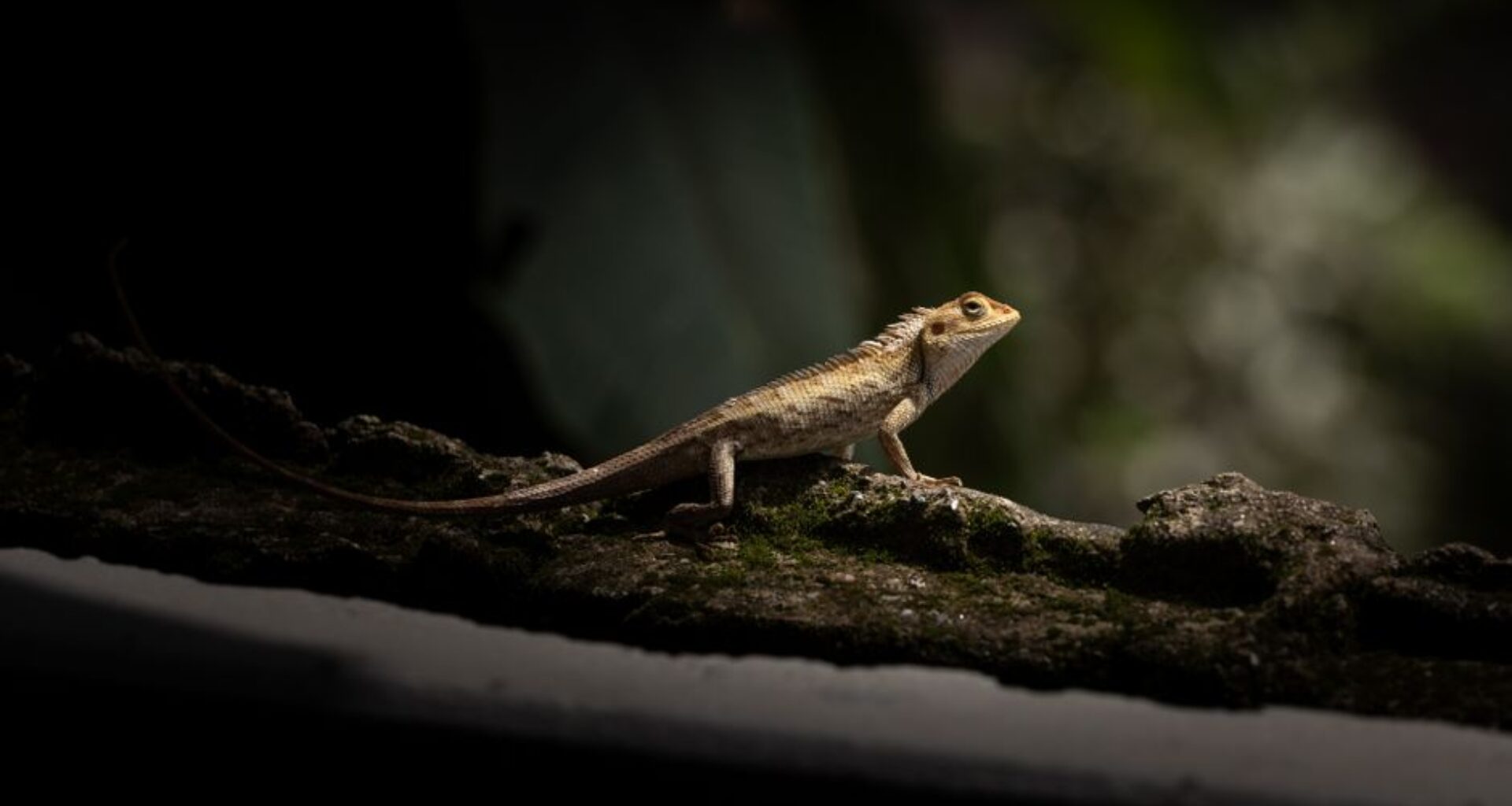
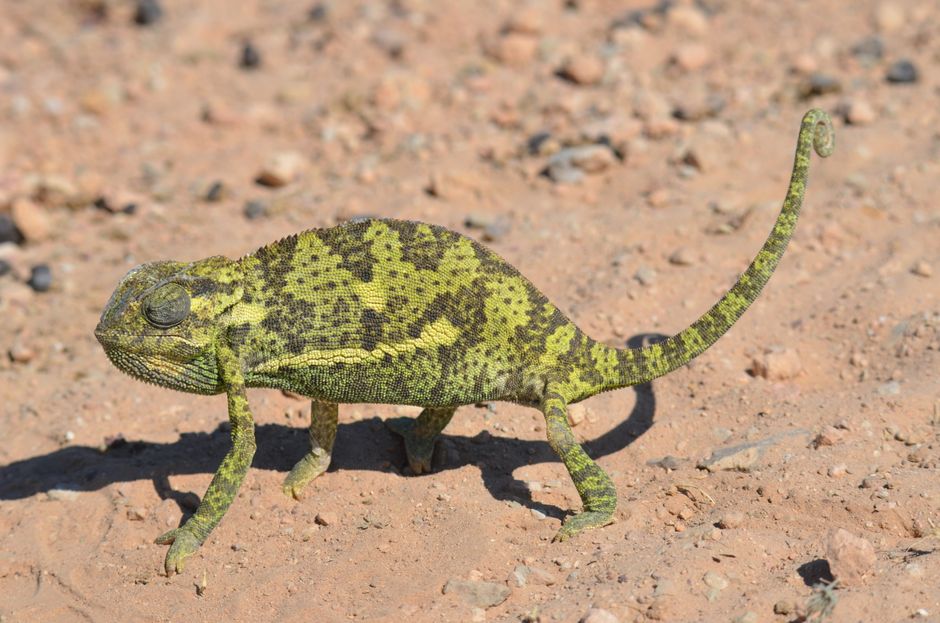
Scientists have recently documented four previously unknown species of chameleons in northern Mozambique, each inhabiting one of four isolated granite mountains: Namuli, Inago, Chiperone, and Ribáuè. These inselbergs, standing out sharply from the surrounding arid savanna, serve as ecological ‘sky islands’—distinct habitats that have allowed unique fauna to evolve independently over millions of years. The discovery underscores the critical importance of these isolated ecosystems in preserving biodiversity.
The four mountain habitats are characterized by cooler, moister conditions than the surrounding lowlands, creating microclimates that support endemic species such as these new chameleons. This phenomenon of species diversification in isolated environments is well documented globally but remains underexplored in parts of Africa, making this finding significant for both conservation biology and biogeography.
Mozambique’s mountainous regions have long been recognized as biodiversity hotspots, yet many species remain undocumented due to limited scientific access and research funding. The identification of these chameleons adds to the growing evidence of the region’s ecological richness and highlights the urgent need to protect these fragile habitats from threats such as deforestation, agriculture expansion, and climate change.
Experts emphasize that preserving such ‘sky islands’ is essential not only for the survival of endemic species but also for maintaining broader ecosystem services that sustain local communities. This discovery aligns with global conservation efforts under the United Nations Sustainable Development Goals, particularly SDG 15, which aims to protect, restore, and promote sustainable use of terrestrial ecosystems.
Moving forward, researchers advocate for increased field studies and the establishment of protected areas encompassing these mountains. Enhanced conservation measures will help safeguard these unique species and their habitats, contributing to the global mission of halting biodiversity loss and fostering resilient ecosystems.