




 UN
UN
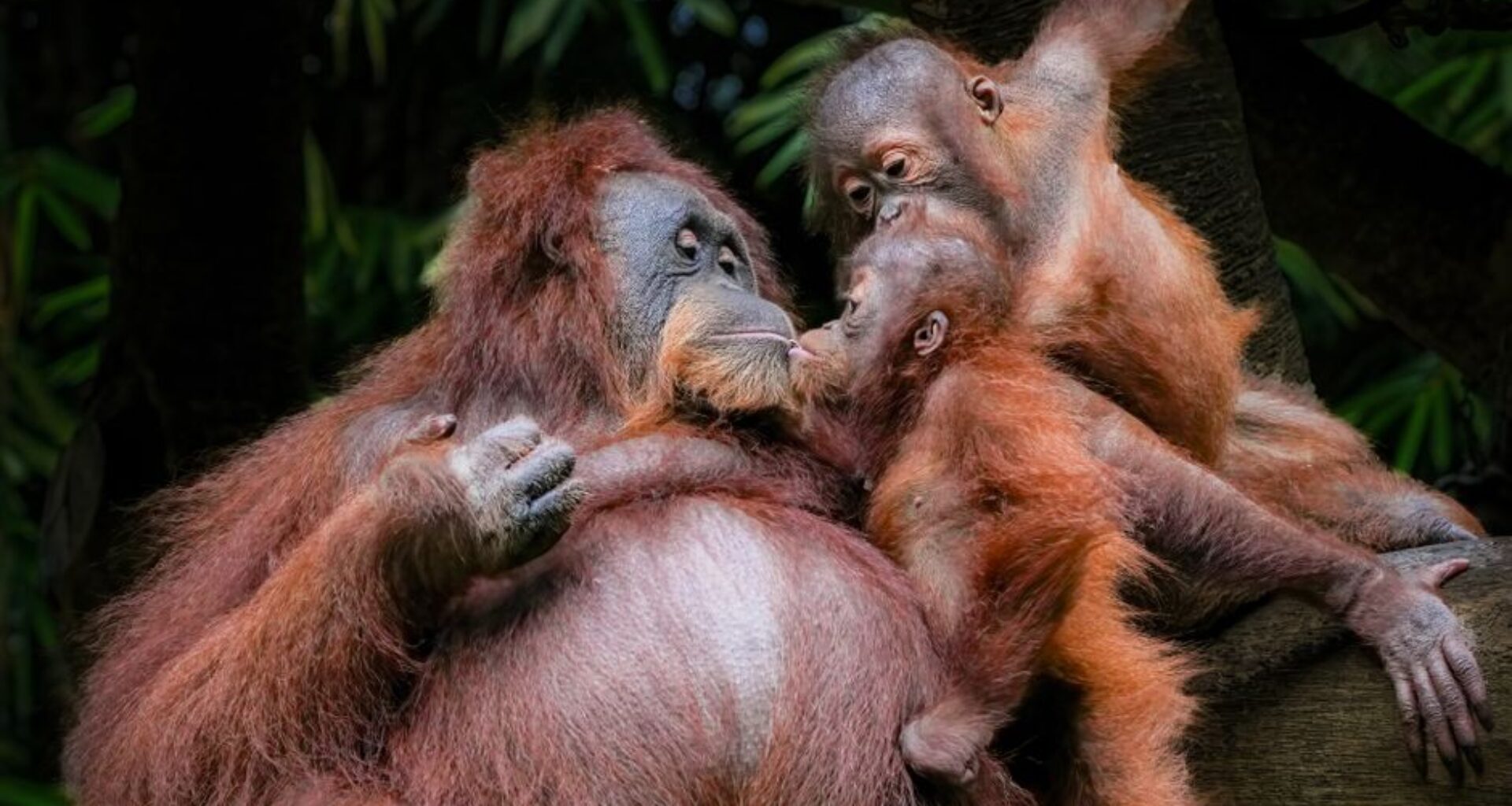

Conservationists are sounding the alarm as fires have scorched critical areas of a decade-long orangutan habitat restoration project in Indonesian Borneo. The affected site, managed by Yayasan IAR Indonesia (YIARI)—the local partner of International Animal Rescue—was established to rehabilitate and expand forest areas vital for the survival of wild orangutans. With the dry season still underway, the recent blaze raises fears that another severe fire season could erase years of painstaking recovery efforts.
The restoration project began over ten years ago in response to widespread deforestation and habitat fragmentation that have severely threatened orangutan populations in Kalimantan. YIARI’s work focuses on reforesting degraded lands and securing safe corridors to connect fragmented habitats, enabling orangutans to thrive and reproduce. However, frequent forest fires, often exacerbated by illegal land clearing and climate change-induced droughts, continue to undermine these gains.
Experts warn that repeated fires not only destroy young regenerating forests but also release significant carbon emissions, contributing to global climate change. Dr. Siti Rahmawati, a forest ecologist affiliated with YIARI, emphasizes, “These fires threaten both biodiversity and climate mitigation efforts. Protecting and restoring orangutan habitats is critical for achieving SDG 15—Life on Land—while also supporting climate resilience.”
The Indonesian government and environmental groups have intensified fire prevention measures, including community awareness programs and rapid response teams. Yet, challenges persist due to economic pressures on local communities and the complexities of enforcing land-use regulations. Conservationists stress the need for sustainable land management policies that balance development with ecological preservation to safeguard orangutans and their forest homes.
The ongoing threat to orangutan habitats underscores the interconnected challenges of biodiversity loss, climate change, and human livelihoods. Protecting these critically endangered primates requires coordinated global and local efforts, aligning with the broader Sustainable Development Goals agenda to ensure healthy ecosystems and sustainable development for future generations.