




 UN
UN
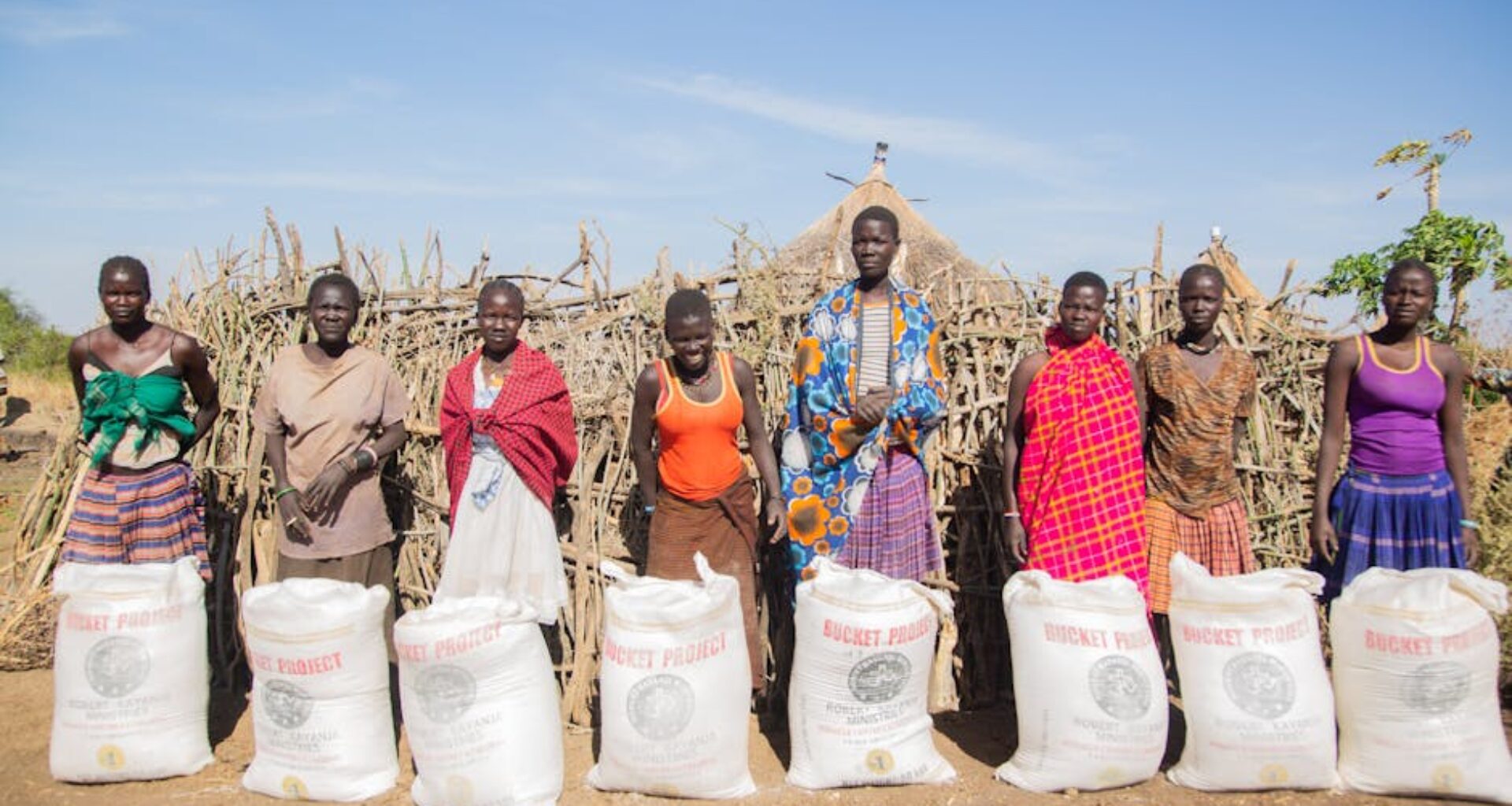
According to the latest United Nations report released on April 15, 2026, global food security has seen measurable improvements despite ongoing climate-related disruptions. The report highlights that the prevalence of undernourishment fell from 8.9% in 2023 to 8.2% in 2025, signaling progress toward SDG 2: Zero Hunger. Strategic investments in sustainable agriculture, improved supply chains, and community-based resilience programs have contributed significantly to this trend.
However, the report also cautions that climate change continues to pose severe risks to food production, particularly in vulnerable regions such as sub-Saharan Africa and South Asia. Extreme weather events, including droughts and floods, have caused localized crop failures that threaten food access and nutrition.
Experts emphasize the importance of scaling up climate-smart farming technologies and strengthening international cooperation to sustain momentum. “Innovative approaches combining technology with traditional knowledge are essential to safeguard food systems against increasingly erratic climate patterns,” said Dr. Maria Hernández, a food security specialist at the UN Food and Agriculture Organization.
Moving forward, the UN calls for enhanced financing mechanisms and policy support to ensure inclusive, resilient food systems that align with sustainable development targets by 2030.