UN
UN
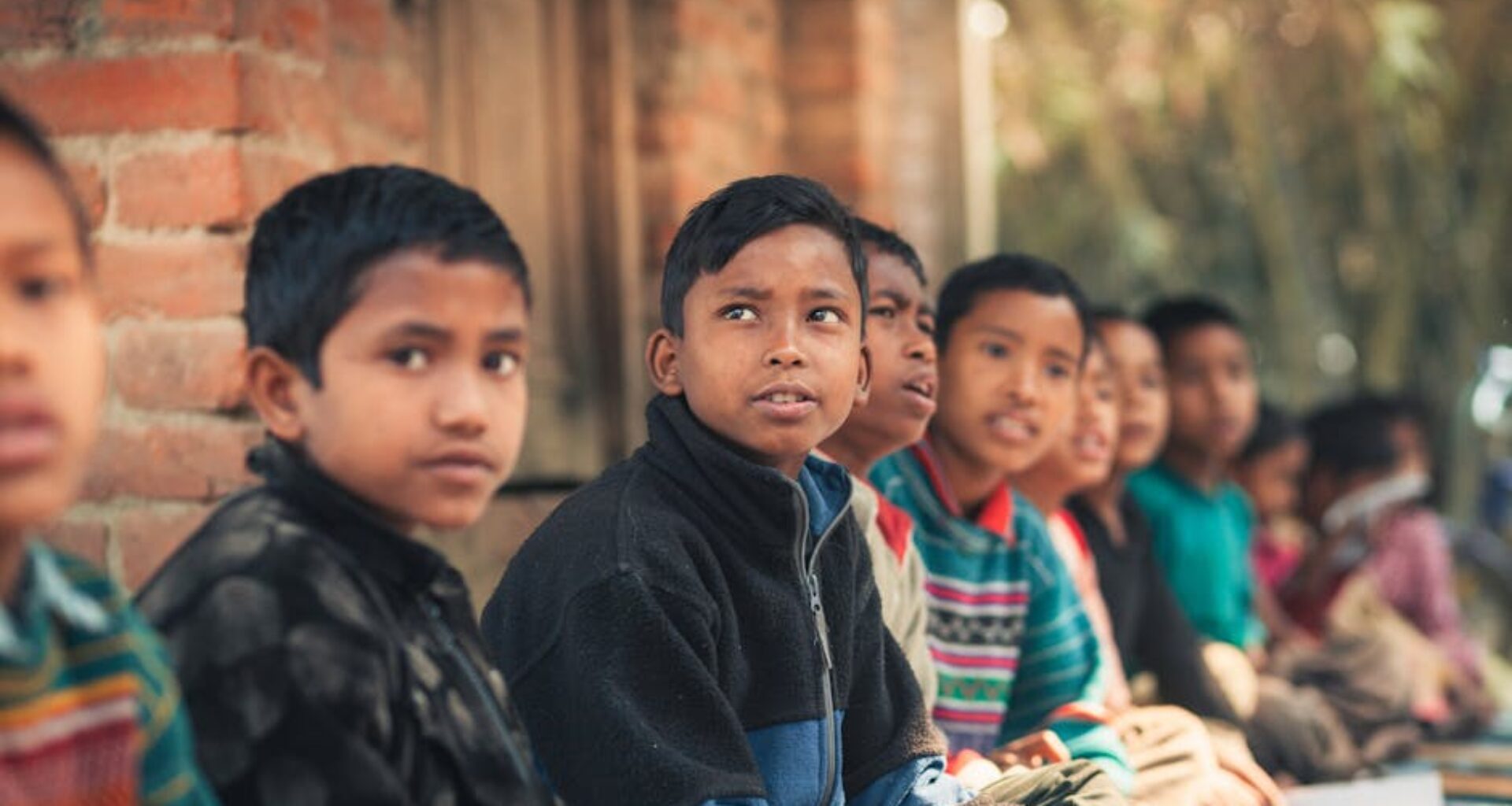
Recent initiatives in South Asia have markedly improved educational access for marginalized girls, fostering progress toward SDG 4: Quality Education and SDG 5: Gender Equality. Government programs in countries like Bangladesh, Nepal, and Pakistan have increased enrollment rates by removing financial and social barriers.
One notable example is the Girls’ Education Empowerment Program (GEEP), which provided scholarships, sanitary facilities, and community awareness campaigns in rural areas. As a result, female secondary school enrollment climbed by 15% in participating districts over the past two years. Educators highlight that improved education for girls correlates strongly with better health, economic participation, and reduced child marriage rates.
Challenges persist, including infrastructural deficits and ongoing cultural resistance in some regions. Experts advocate for sustained investment, gender-sensitive curricula, and partnerships between governments and NGOs to build on current gains and ensure no girl is left behind.