UN
UN
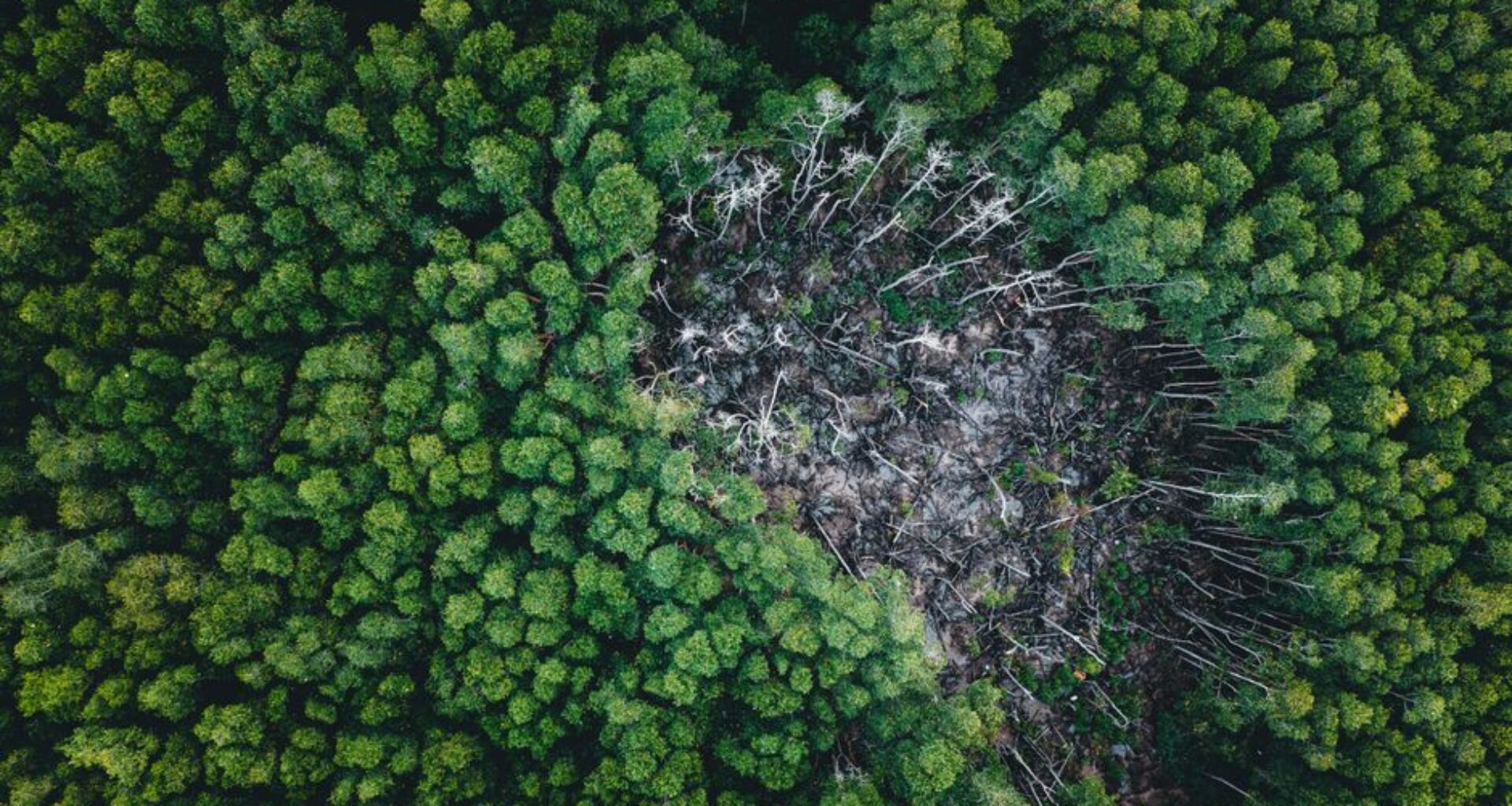

New data from the World Resources Institute’s (WRI) Global Forest Watch platform reveals a significant 36% reduction in the loss of global tropical primary forests in 2025 compared to previous years. This development offers a cautiously optimistic outlook for conservationists, scientists, and policymakers engaged in combating deforestation worldwide. Elizabeth Goldman, co-director of the Global Forest Watch initiative, described the data as a hopeful sign but urged continued vigilance. “It’s a better year, but it’s just one year,” she noted, emphasizing the fragility of these gains.
Tropical primary forests play a crucial role in maintaining global biodiversity, regulating climate, and supporting the livelihoods of millions of people. Their loss has been a persistent challenge, driven by factors such as agricultural expansion, logging, and increasingly, forest fires exacerbated by climate change. The 36% decline in forest loss suggests that efforts to curb deforestation—ranging from strengthened legal protections and sustainable land-use practices to improved monitoring technologies—may be beginning to take effect.
However, Goldman and other experts caution that this positive trend must be viewed within the broader context of ongoing threats. Fires, often linked to human activity and changing weather patterns, remain a significant risk to forest health. Also, the socio-economic pressures that lead to land conversion in tropical regions continue to pose formidable challenges. “We need sustained, coordinated action across governments, businesses, and local communities to ensure these improvements are not reversed,” Goldman stressed.
The data underscores the importance of robust forest monitoring systems like Global Forest Watch, which provide near real-time insights essential for responsive policymaking and enforcement. As the international community intensifies its focus on sustainable development and climate mitigation, protecting tropical forests aligns directly with several Sustainable Development Goals, including SDG 13 (Climate Action), SDG 15 (Life on Land), and SDG 12 (Responsible Consumption and Production).
While the 2025 figures bring a note of hope, the path to reversing decades of forest degradation remains complex and demanding. Continued investment in forest conservation, fire management, and community engagement will be critical to ensuring that these fragile gains translate into long-term sustainability for tropical forests globally.