




 UN
UN 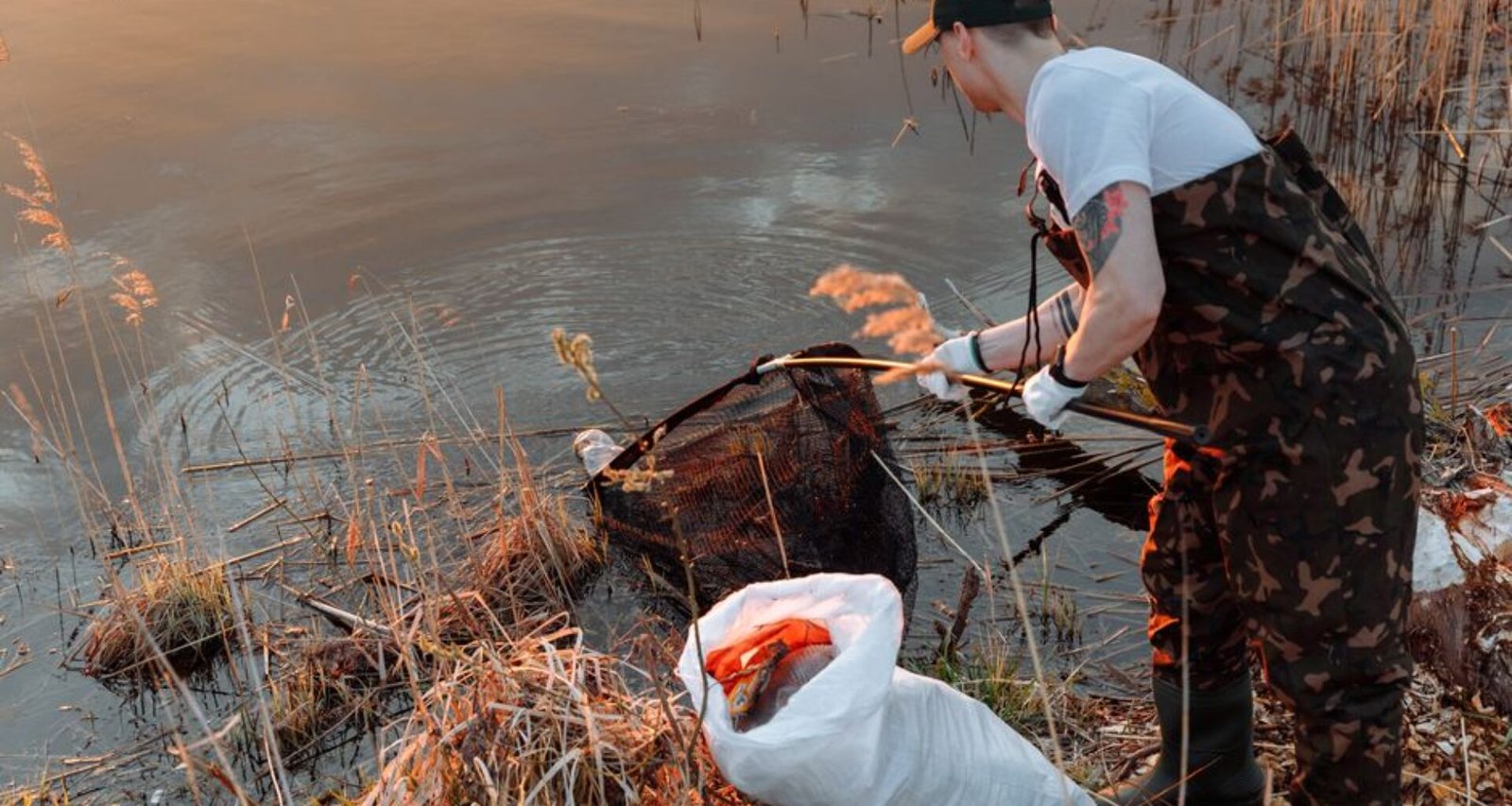
On Saturday afternoon, Srinagar’s Dal Lake bustled with local families escaping the July heat, while a few meters away, volunteers in rubber boots cleared plastic debris from the shoreline. This juxtaposition highlights the acute pressures facing Kashmir’s freshwater ecosystems, which have supported the valley’s biodiversity, agriculture, and tourism for generations.
A recent audit from the Jammu and Kashmir government revealed that nearly half of the region’s lakes—315 out of 697 surveyed—are now in critical condition, with encroachment, untreated sewage, and unchecked urban growth cited as the main drivers of decline. The findings have galvanized local organizations, including the Nigeen Lake Conservation Organization (NLCO), led by environmentalist Manzoor Ahmad Wangnoo, to intensify restoration efforts this summer.
Wangnoo, speaking to SDG Talking during a lakeside cleanup, emphasized that “community participation is the only way forward,” noting that both policy support and grassroots vigilance are needed to reverse years of neglect. While the Jammu and Kashmir administration announced a new wetland management policy in May 2026, progress on the ground remains uneven, with many restoration targets for water quality and shoreline rehabilitation yet to be met.
Tourism operators, who rely on the lakes for their livelihoods, reported a 17% drop in bookings this July compared to last year, attributing the decline to visible lake pollution and shrinking water levels. With the region’s summer tourist season peaking, local stakeholders are pressing for urgent infrastructure upgrades—including wastewater treatment and stricter enforcement of anti-encroachment regulations—before the autumn rains begin.
The coming weeks are expected to see renewed consultations between NGOs, government agencies, and local business associations, as Kashmir’s iconic lakes stand at a crossroads. For many, the question remains whether 2026 will mark a turning point from policy pledges to measurable recovery.
Frequently Asked Questions
How many lakes in Jammu and Kashmir are in critical condition?
According to a recent government audit, 315 out of 697 lakes in Jammu and Kashmir are in critical condition.
What are the main causes of lake decline in Kashmir?
The main causes are encroachment, untreated sewage, and unchecked urban growth.
Who is leading community-led restoration efforts for Kashmir’s lakes?
The Nigeen Lake Conservation Organization (NLCO), led by Manzoor Ahmad Wangnoo, is spearheading local restoration efforts.
How has lake pollution affected tourism in Kashmir?
Tourism operators reported a 17% drop in bookings this July compared to last year, citing lake pollution and shrinking water levels.
What policy has the Jammu and Kashmir administration announced for lake restoration?
A new wetland management policy was announced by the Jammu and Kashmir administration in May 2026, but many restoration targets have yet to be met.