UN
UN 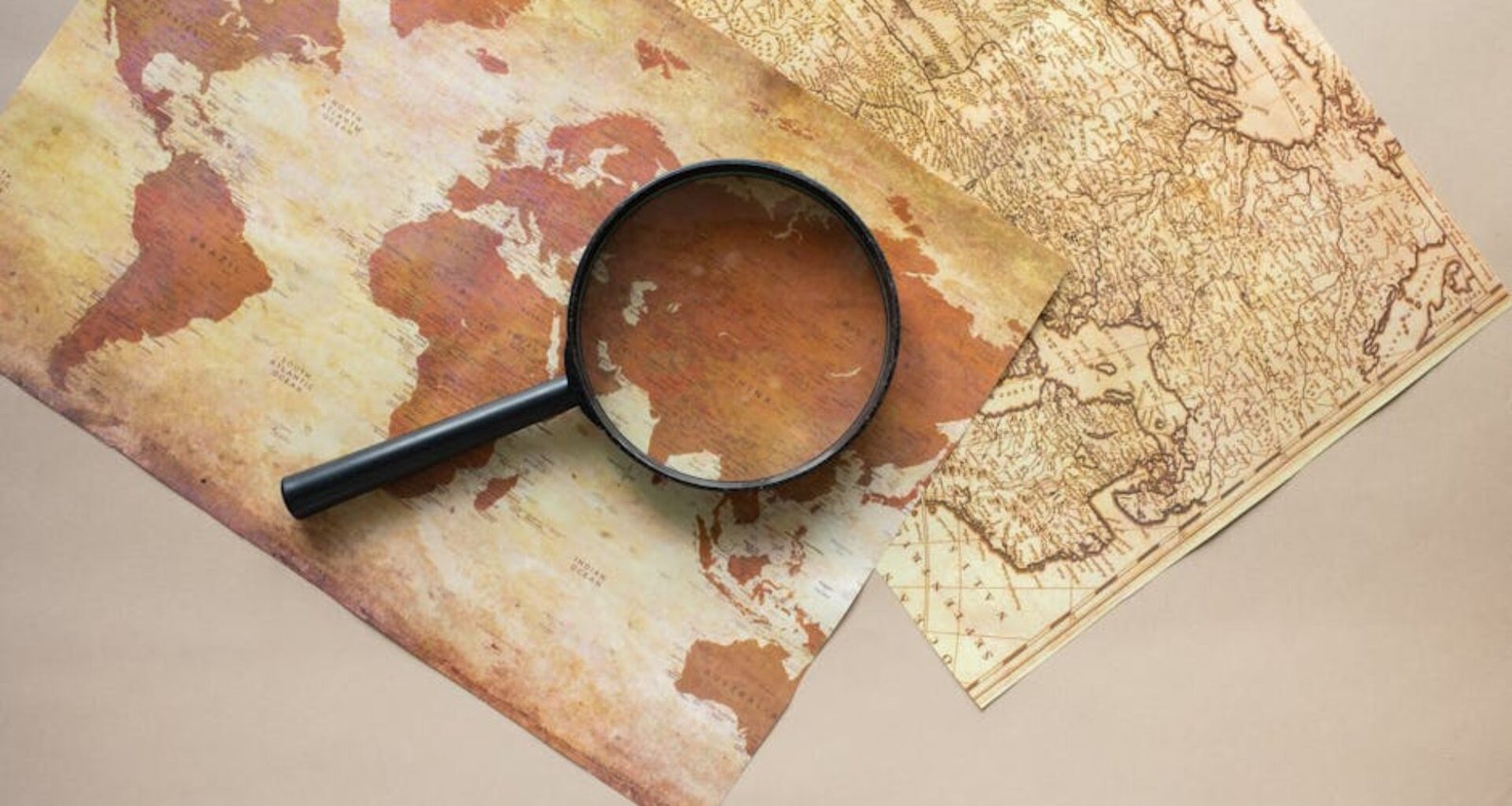
Conservation efforts around the globe increasingly hinge on how natural landscapes are represented and understood. At the heart of many disputes is a deceptively simple question: whose map counts? Satellite imagery may depict a dense, uninterrupted forest canopy, but for local communities, that same landscape holds layers of meaning — as a hunting ground, a sacred burial site, a source of medicinal plants, or a pathway to essential services. These diverse perspectives challenge conventional conservation maps that often prioritize ecological data over cultural and social realities.
This divergence has significant implications for sustainable development and biodiversity protection, particularly when conservation policies disregard indigenous and local knowledge systems. Experts argue that inclusive mapping practices, which integrate community insights with scientific data, lead to more equitable and effective conservation outcomes. Such approaches recognize that landscapes are not just physical spaces but lived environments rich with social and cultural significance.
The debate over mapping also highlights broader tensions within the Sustainable Development Goals, especially those related to life on land (SDG 15), reduced inequalities (SDG 10), and partnerships for the goals (SDG 17). When maps exclude the voices of those directly connected to the land, conservation initiatives risk perpetuating social injustices and undermining long-term environmental stewardship.
Innovative projects combining satellite technology with participatory mapping have started to bridge these gaps. By involving local communities in the mapping process, these initiatives empower marginalized groups to assert their rights and contribute valuable knowledge to conservation strategies. This collaborative mapping not only enhances biodiversity protection but also supports social inclusion and resilience.
As the global community intensifies efforts to meet the SDGs by 2030, rethinking whose maps inform conservation decisions is critical. Embracing pluralistic mapping approaches ensures that environmental preservation goes hand in hand with respect for cultural heritage and human well-being, ultimately fostering sustainability that is both just and effective.