



 UN
UN
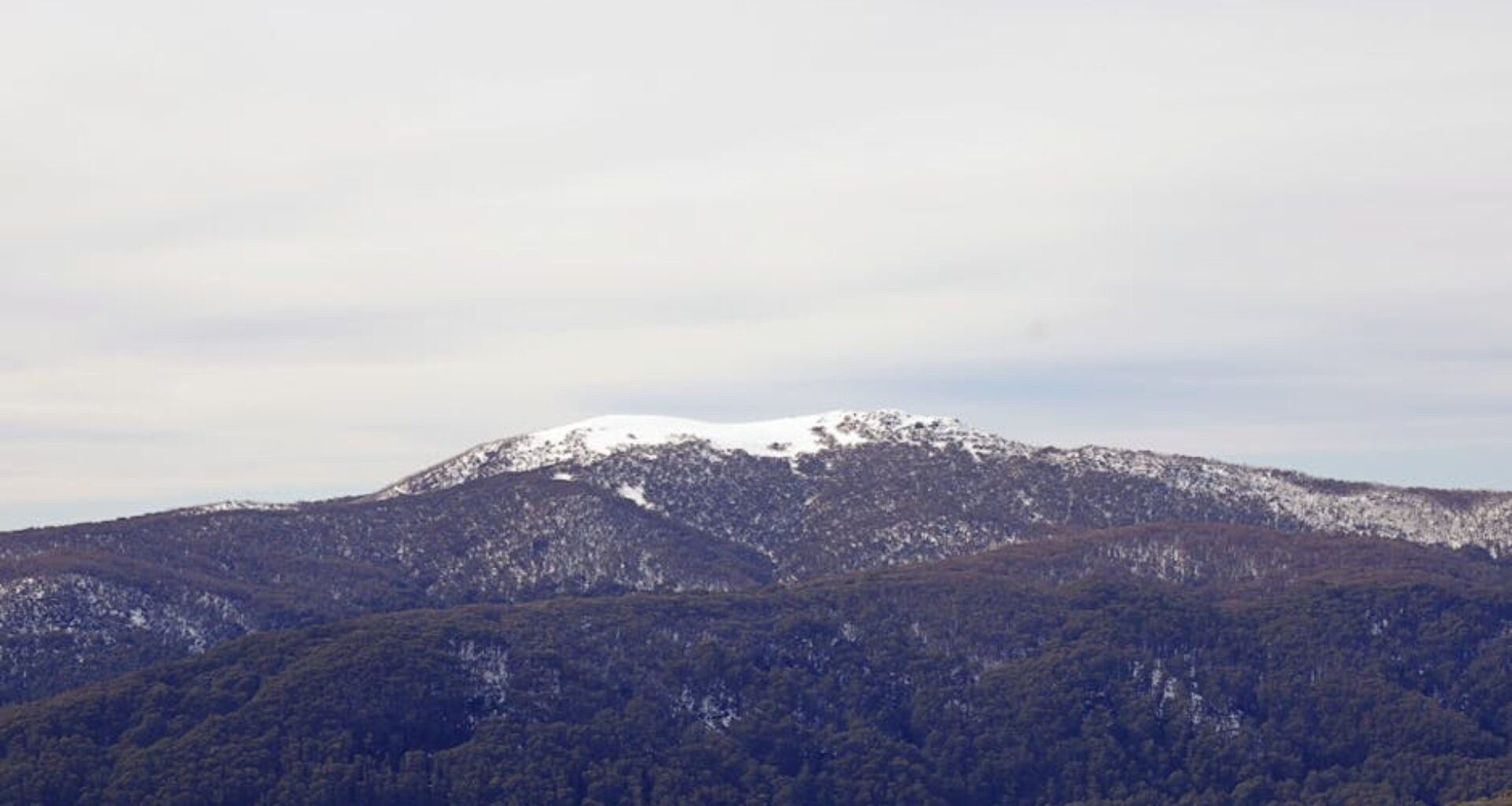
The Australian government has officially designated the mainland alpine ash forests as an endangered ecological community, marking a significant step in the country’s conservation efforts. This decision reflects growing concerns over the increasing frequency and intensity of bushfires, compounded by the broader impacts of climate change threatening these iconic high-altitude ecosystems.
Alpine ash (Eucalyptus delegatensis) forests are primarily found on the slopes of mountainous regions in southeastern Australia, including parts of Victoria and New South Wales. These forests play a crucial role in biodiversity conservation, carbon storage, and water catchment protection. However, recent decades have seen a marked rise in wildfire events that have devastated large swathes of these forests, undermining their resilience and regeneration capacity.
Environmental groups have welcomed the government’s designation, emphasizing the urgent need for enhanced protection measures and climate adaptation strategies. “Listing alpine ash forests as endangered acknowledges the severity of the risks they face and highlights the necessity of targeted conservation actions,” said Dr. Emily Carter, a forest ecologist with the Australian Conservation Foundation. “Protecting these forests is vital for maintaining ecosystem services and safeguarding species that depend on this unique habitat.”
Conversely, representatives from the timber and forestry sectors have expressed reservations, suggesting that the classification may impact sustainable industry operations and local economies. They argue for a balanced approach that considers both environmental conservation and economic sustainability, advocating for adaptive forest management practices.
Australia’s move aligns with global efforts under the United Nations Sustainable Development Goals, particularly SDG 15, which focuses on life on land, highlighting the importance of preserving terrestrial ecosystems amid climate challenges. The classification serves as a call to action for policymakers, scientists, and communities to collaborate on mitigating threats and promoting the resilience of these valuable forest landscapes.