UN
UN
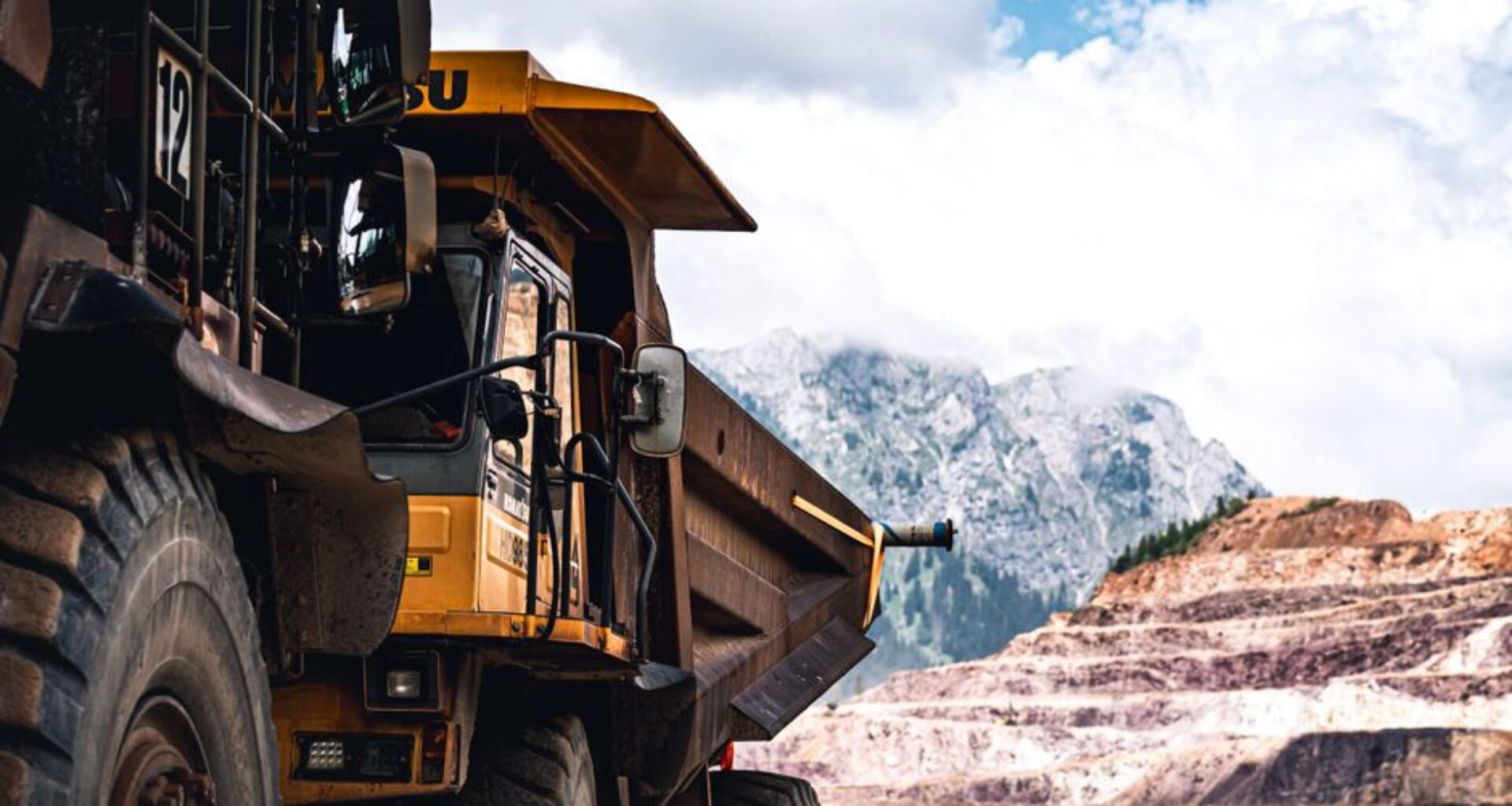
As the global demand for lithium skyrockets, driven by the urgent transition to clean energy technologies, the United States faces a critical challenge in balancing resource extraction with Indigenous rights. Many Native American tribes hold profound cultural and historical connections to ancestral lands that extend beyond established reservation boundaries. Yet, the legal framework governing mining activities, rooted in a 19th-century statute known as the General Mining Act of 1872, remains largely outdated. This law permits mining on public lands without mandatory consultation with Indigenous communities, even when these sites overlap with ancestral territories.
This regulatory gap poses significant risks to tribal sovereignty and cultural heritage, as mining operations can disrupt sacred sites, ecosystems, and traditional ways of life. Advocates argue that the federal government’s current approach inadequately acknowledges Indigenous peoples’ rights and fails to incorporate their perspectives into decision-making processes. While recent federal policies have attempted to address these issues by enhancing consultation mechanisms, critics maintain that these measures fall short of the meaningful engagement required under international standards such as the United Nations Declaration on the Rights of Indigenous Peoples (UNDRIP).
Experts emphasize that respecting Indigenous land rights is not only a matter of justice but also crucial for sustainable development. Indigenous stewardship has been linked to better environmental outcomes, including biodiversity conservation and climate resilience. Incorporating Indigenous knowledge and securing their free, prior, and informed consent before mining projects proceed can help mitigate environmental degradation and foster equitable economic growth.
The lithium boom presents a pivotal opportunity for the U.S. to modernize its mining laws and align them with contemporary human rights and environmental standards. This reform could serve as a model for reconciling the urgent need for clean energy minerals with the protection of Indigenous heritage and ecosystems. As global demand for battery minerals intensifies, integrating Indigenous voices into resource governance will be essential for achieving the Sustainable Development Goals, particularly those related to responsible consumption and production (SDG 12), climate action (SDG 13), and reduced inequalities (SDG 10).