



 UN
UN
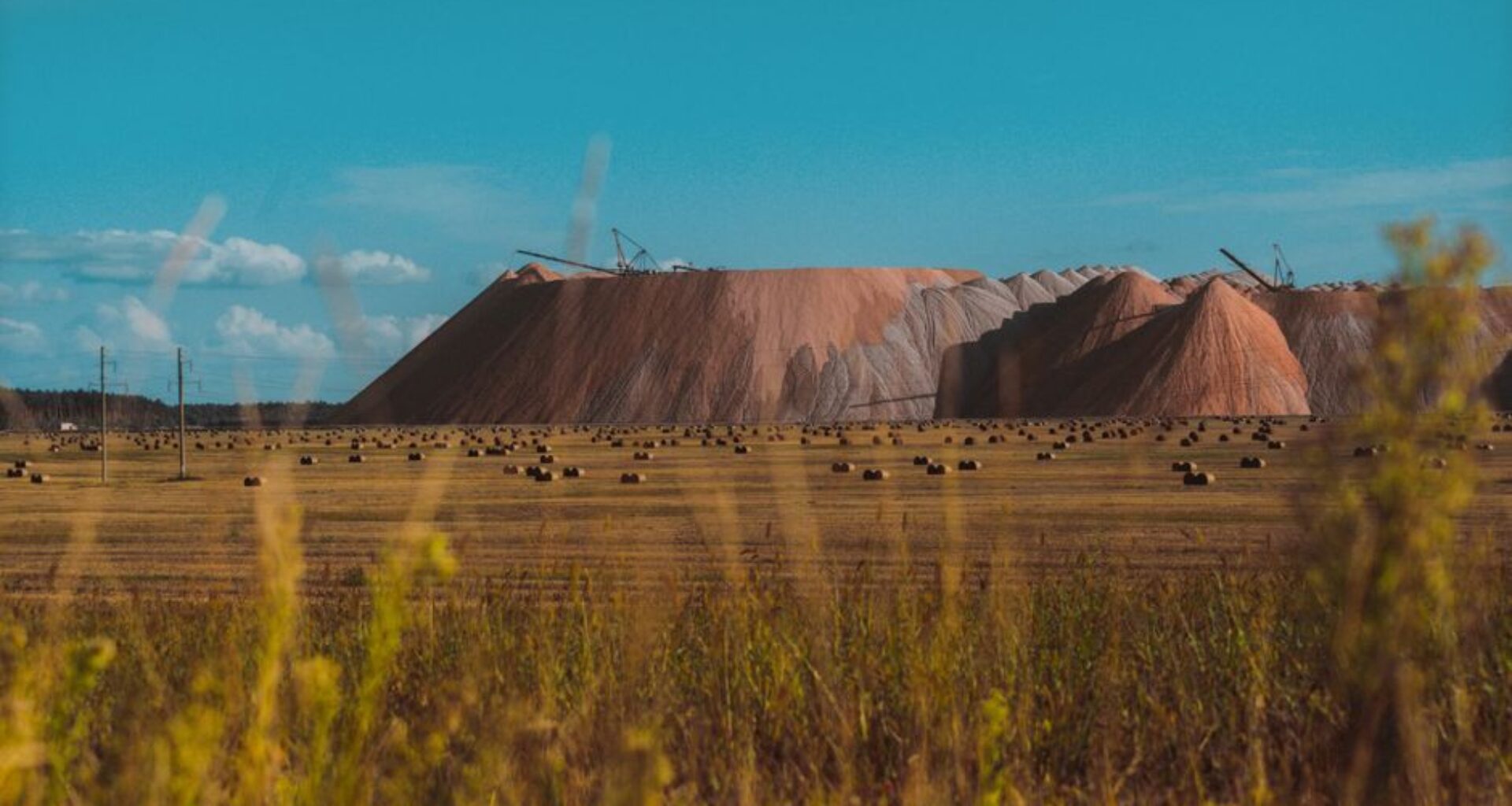
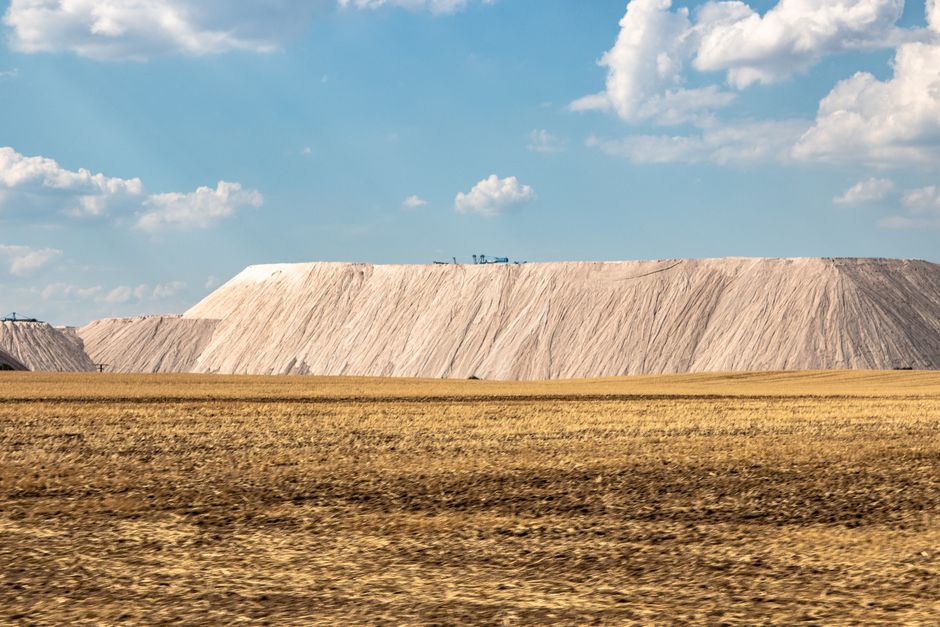
The surge in demand for lithium, a critical component in electric vehicle batteries and renewable energy storage, has sparked a new wave of mining interest in the Black Hills of South Dakota. This development has stirred deep concerns among the Lakota Sioux tribe, whose ancestral lands have already been scarred by past extractive industries such as gold and uranium mining. The current rush for lithium echoes historical patterns of resource extraction that have often marginalized Indigenous communities and infringed upon their rights.
Trina Lone Hill, a member of the Lakota Sioux, remarked on the painful continuity of these incursions. Despite the global urgency to transition toward clean energy, the pursuit of lithium in the region raises complex questions about environmental justice and tribal sovereignty. The Black Hills hold profound cultural and spiritual significance for the Lakota people, and mining activities threaten to disrupt sacred sites and ecosystems.
Experts emphasize the need for a balanced approach that reconciles the imperative of clean energy development with respect for Indigenous rights and environmental protections. According to a 2023 report by the United States Geological Survey, lithium demand is projected to increase exponentially by 2040, intensifying pressures on mining frontiers. However, activists and tribal leaders argue that the United States must avoid repeating colonial-era exploitation by ensuring transparent consultation, fair compensation, and robust environmental safeguards.
This situation highlights broader challenges within the sustainable development agenda, particularly SDG 7 (Affordable and Clean Energy) and SDG 15 (Life on Land). The pursuit of clean technologies must be aligned with social inclusion and ecological stewardship. Failure to do so risks perpetuating historical injustices under the guise of sustainability. Policymakers, industry stakeholders, and Indigenous communities must collaborate to develop mining practices that honor tribal sovereignty and protect cultural heritage while meeting the world’s urgent clean energy needs.
The unfolding story in the Black Hills serves as a critical case study on the intersection of environmental sustainability, economic growth, and social impact. It underscores that the journey toward a greener future is also a test of ethical governance and respect for Indigenous peoples’ rights worldwide.